
Open your smartphone’s map application and search “national parks near me” or “nature reserves” to instantly discover protected areas within a 50-kilometre radius of your location. Australia hosts over 500 national parks and thousands of conservation reserves, many tucked away in urban fringes and regional areas where most Australians live. Download state-specific apps like ParkFinder NSW, Parks Victoria, or Queensland’s WetlandInfo to access detailed trail maps, facilities information, and real-time conditions before you visit.
Check your local council website’s environment or recreation section for lesser-known gems like bushland corridors, wetland reserves, and coastal walks that rarely appear in mainstream searches. These community spaces often provide the same benefits as larger parks while being minutes from home, perfect for immersing yourself in nature during lunch breaks or after work.
Join local bushwalking groups through Meetup or Facebook to tap into community knowledge about hidden waterfalls, wildflower hotspots, and seasonal wildlife viewing opportunities. Long-term residents and conservation volunteers possess invaluable insights about the best times to visit specific locations and how to navigate lesser-known access points safely.
Connect with your regional Landcare group or Indigenous land management organisation to learn about culturally significant natural areas and participate in restoration activities. This transforms passive visits into meaningful engagement while supporting the ecological health of places you’ll return to again and again.
Why Local Natural Landscapes Matter More Than You Think
The natural spaces within reach of your home hold far more significance than simply being pleasant places for weekend walks. These local landscapes are intricate ecosystems that directly support your wellbeing while playing a crucial role in Australia’s environmental health.
Australia hosts remarkable biodiversity, with many regions classified as global biodiversity hotspots. From coastal heathlands to urban bushland reserves, these nearby natural areas often shelter endemic species found nowhere else on Earth. When you engage with local natural spaces regularly, you develop a deeper understanding of the unique ecosystems in your region. This awareness transforms casual visitors into informed custodians who recognize seasonal changes, native plant communities, and the wildlife that depends on these habitats for survival.
The mental health benefits of connecting with nearby nature are increasingly documented by researchers. Regular exposure to natural environments reduces stress, improves mood, and enhances cognitive function. The beauty lies in accessibility – you don’t need to travel hundreds of kilometres to experience these benefits. A 20-minute walk through your local nature reserve can deliver significant mental restoration, especially when woven into your weekly routine rather than reserved for rare adventures.
Embracing a local travel approach also carries substantial environmental advantages. Every visit to a nearby natural landscape instead of driving hours to distant destinations reduces your carbon footprint. This matters profoundly in a nation as vast as Australia, where travel distances can quickly accumulate significant emissions.
Local natural spaces also strengthen community bonds. When neighbours share appreciation for the same walking tracks, wetlands, or coastal reserves, they develop collective pride and responsibility. Community groups often form around protecting these areas, creating networks of environmental stewardship that extend far beyond individual actions. Your engagement with nearby landscapes contributes to this broader movement, demonstrating that meaningful environmental connection begins right where you are.

Finding Natural Landscapes in Your Area
Digital Tools and Apps for Nature Discovery
Finding natural landscapes near you has never been easier, thanks to a suite of Australian-specific digital tools designed to connect you with nearby green spaces. These resources put thousands of national parks, reserves, and hidden natural gems right at your fingertips.
Start with Parks Australia’s website and app for comprehensive information about national parks across the country. Each state and territory also maintains dedicated platforms—from NSW National Parks to Parks Victoria—offering detailed maps, walking track conditions, and real-time alerts about closures or fire dangers. These official sources provide reliable, up-to-date information essential for planning safe visits.
For community-driven discovery, iNaturalist has become a favourite among Australian nature enthusiasts. This free app transforms your bush walks into scientific contributions, allowing you to identify plants and animals while connecting with local naturalists. Your observations join a global database, helping researchers track biodiversity changes in your area—a simple way to contribute to environmental understanding while exploring.
Don’t overlook your local council’s website, which often features lesser-known reserves, community gardens, and environmental education programs happening nearby. Many councils offer downloadable guides to local flora and fauna, making your visits more meaningful and educational.
Geographic apps like AllTrails provide user reviews and photos of walking trails, helping you choose experiences matching your fitness level and interests. Together, these digital tools create a comprehensive network of resources, empowering you to discover, explore, and protect the natural landscapes thriving in your local community.
Connecting with Local Environmental Groups
Discovering hidden natural treasures often starts with connecting to people who know them best. Local environmental groups across Australia are treasure troves of knowledge, generously sharing their favourite spots while welcoming new members into their conservation efforts.
Start your search with Landcare Australia’s network, which connects over 6,000 community groups working on everything from revegetation projects to waterway restoration. These groups often work in lesser-known pockets of bushland that you’d never find on tourist maps. Simply visit their website and enter your postcode to find groups near you.
Friends of Parks organisations operate in every state, maintaining and protecting local reserves through regular working bees and guided walks. They’re brilliant for accessing areas that feel wild despite being close to suburban centres. Many organise monthly activities that combine conservation work with social connection, perfect for meeting like-minded locals.
Bushwalking clubs offer another fantastic pathway to discovering spectacular landscapes. Clubs like those affiliated with Bushwalking Victoria or similar state bodies run regular trips ranging from gentle nature rambles to challenging hikes, all led by experienced volunteers who know the terrain intimately.
Most groups welcome beginners warmly and provide the equipment knowledge you’ll need. You’ll gain not just access to beautiful places, but also understanding of why they matter and how to protect them for future generations.
Unexpected Urban Nature Spots
You might be surprised by the incredible pockets of nature hiding within your local suburbs. Australia’s cities are threaded with urban nature spots that often go unnoticed, yet they offer genuine connection to our unique ecosystems without the long drive.
Coastal reserves along our metropolitan shorelines shelter native bird populations and coastal plants that have adapted to urban life. These thin strips of protected land provide crucial habitat corridors while giving us accessible spaces to observe shorebirds and seasonal wildflowers. Similarly, urban bushland remnants tucked between suburbs preserve original vegetation communities, some hosting species found nowhere else.
Creek lines running through residential areas create green arteries that support native wildlife and offer peaceful walking paths. Many local councils have begun revegetation projects along these waterways, creating opportunities for community involvement through planting days.
Community gardens represent another often-overlooked nature connection. Beyond food production, they foster biodiversity through companion planting, attract pollinators, and create shared green spaces where neighbours exchange knowledge about sustainable growing practices. These accessible spots prove that nature connection doesn’t require wilderness expeditions.
Different Ways to Engage With Natural Landscapes
Observation and Mindful Presence
You don’t need to conquer a mountain to experience nature’s gifts. Some of the most profound connections happen when we simply pause and truly observe what’s around us. Whether you’re visiting local parks for activities or exploring native bushland, mindful presence transforms ordinary walks into meaningful encounters.
Start with nature journaling, a practice gaining momentum across Australian communities. Sketch a eucalyptus leaf, note bird calls, or record seasonal changes in your local creek. This simple habit deepens awareness and creates a personal record of your neighbourhood’s natural rhythms.
Photography offers another gateway to observation. Challenge yourself to capture different perspectives of the same tree throughout the seasons or document native wildflowers as they bloom. These visual diaries reveal patterns we’d otherwise miss.
Try the five-minute sit spot technique: choose a favourite location and return regularly, simply observing without agenda. Notice which insects visit, how light changes, when blossoms appear. This practice costs nothing but time and builds genuine connection with your local landscape. Many Australians report feeling more grounded and environmentally aware through these contemplative practices, proving that presence, not distance, creates transformation.
Active Participation and Stewardship
Discovering natural landscapes near you is just the beginning—becoming an active steward transforms your connection from visitor to guardian. Across Australia, countless opportunities exist to roll up your sleeves and make a tangible difference.
Citizen science projects offer an accessible entry point. Platforms like ClimateWatch and FrogID invite everyday Australians to record wildlife sightings, contributing valuable data that scientists use to track biodiversity changes. You might spend a morning photographing local wildflowers or recording bird calls—activities that feel like nature walks but serve a greater scientific purpose.
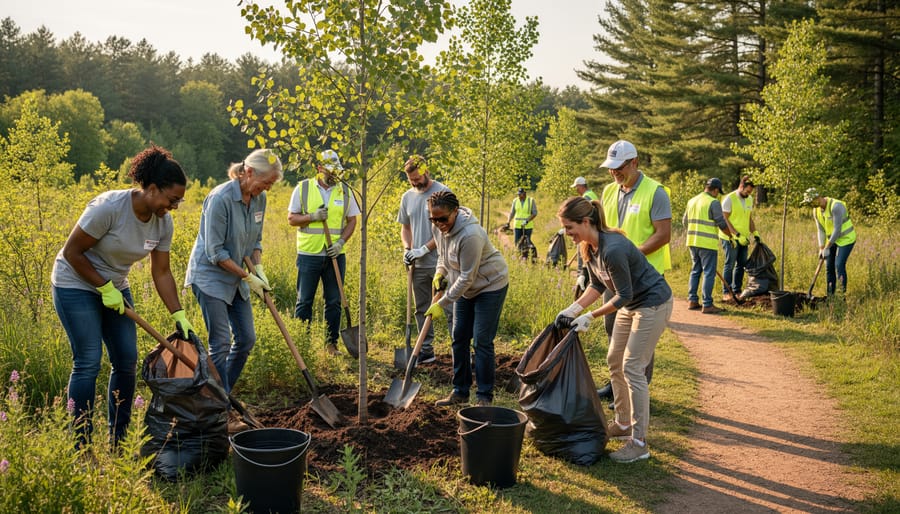
Local Landcare and bush regeneration groups welcome volunteers for hands-on conservation work. These community-driven initiatives tackle weed removal, plant native seedlings, and restore degraded habitats. Many councils organise regular tree planting days, particularly during the cooler months when young plants establish best. These events connect you with like-minded neighbours while directly improving your local environment.
The beauty of active participation lies in its flexibility. Whether you can commit to monthly volunteering or join occasional working bees, every contribution matters. These activities create ripple effects—healthier landscapes support wildlife, provide cleaner air and water, and inspire others to take action. Your involvement becomes part of a larger story of communities caring for Country, ensuring these natural spaces thrive for generations to come.
Educational and Cultural Engagement
Discovering your local natural landscapes becomes infinitely richer when you understand the stories they hold and the communities they support. Across Australia, numerous organisations offer guided bushwalks led by experienced naturalists who can help you identify native plants, spot local wildlife, and understand the ecological relationships that keep these systems thriving. These walks transform a simple outing into an educational journey where you’ll learn to recognise the call of different bird species or understand why certain plants thrive in specific conditions.
Indigenous cultural tours provide particularly profound connections to Country, offering insights into tens of thousands of years of land management and spiritual connection. Local Aboriginal community organisations in many regions welcome visitors to learn about traditional practices, bush tucker, and the deep cultural significance of landscapes you might walk past every day. These experiences foster respect and understanding while directly supporting First Nations communities.
Many community groups and environmental organisations also run workshops focused on native flora identification, wildlife photography, or citizen science projects where you can contribute to conservation efforts. Joining these programs not only deepens your knowledge but connects you with like-minded locals who share your passion for protecting these precious spaces for future generations.
Engaging Responsibly With Natural Landscapes
Protecting Native Ecosystems
When we venture into natural landscapes, we become temporary guests in complex ecosystems that countless species call home. The good news? Protecting these precious areas while enjoying them is straightforward when we follow a few essential practices.
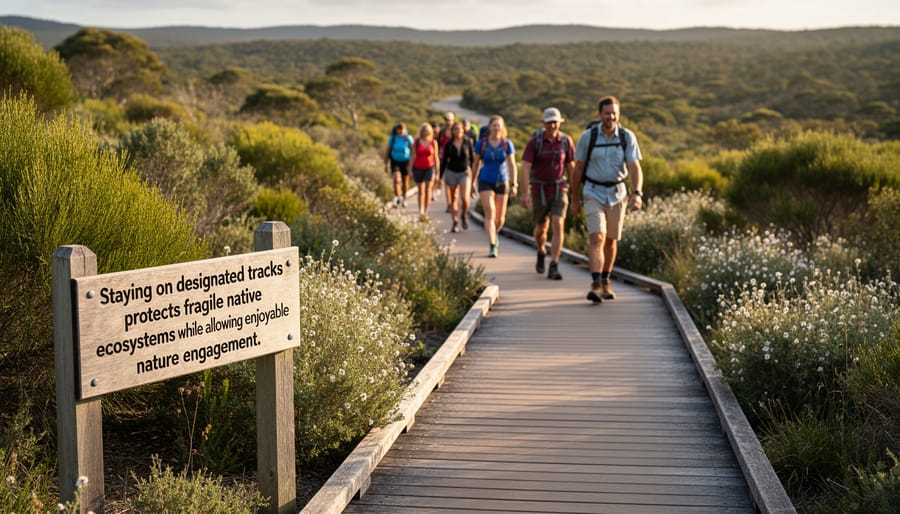
Stick to marked trails and designated tracks whenever possible. It might be tempting to create shortcuts or explore off-path, but straying compacts soil, damages native plant roots, and can disturb wildlife breeding sites. Those worn paths exist for good reason, guiding us through sensitive areas while minimising our impact.
Your boots and clothing can inadvertently become carriers of invasive weed seeds between locations. Before heading out, brush off soil and seeds from your footwear, clothing, and gear, especially after visiting agricultural areas. Many Australian parks provide boot-cleaning stations at trailheads for this exact purpose.
Wildlife encounters create memorable moments, but maintaining respectful distances protects both animals and visitors. Responsible wildlife observation means observing quietly from afar, never feeding native animals (it disrupts their natural behaviours and diet), and keeping dogs leashed where permitted.
Understanding fire restrictions saves lives and landscapes. Check current fire danger ratings before visiting, especially during summer months. Total fire bans mean no campfires, barbecues, or anything that could create sparks. Many parks also implement seasonal closures during critical breeding periods or extreme weather conditions. These temporary restrictions protect vulnerable species and allow ecosystems to recover. Check local park websites or Parks Australia before planning your visit to ensure access and understand current conditions.
Supporting Local Conservation Efforts
Every time you explore a natural landscape near you, you’re already contributing to its protection. Park entry fees directly fund conservation programs, habitat restoration, and essential maintenance that keeps these spaces accessible for everyone. In Australia, many of our national parks and reserves operate on modest budgets, making every visitor dollar count toward protecting our unique ecosystems.
Beyond entry fees, consider deepening your impact through regular donations to local conservation groups or “adopting” a particular park or reserve. Many Australian communities have Friends groups dedicated to specific natural areas, organizing regular working bees where you can get your hands dirty planting native species, removing weeds, or maintaining walking tracks. These volunteer days offer rewarding ways to connect with like-minded locals while making tangible improvements.
Your voice matters too. When local natural areas face development pressures or funding cuts, community advocacy proves crucial. Sign petitions, attend council meetings, and share your positive experiences on social media to demonstrate public value. Parks Australia and state conservation departments actively monitor community engagement when making decisions about protected areas. By showing up, speaking up, and contributing, you transform casual visits into lasting legacies for Australia’s remarkable natural heritage.
Making Natural Landscape Engagement a Regular Practice
Creating Your Personal Nature Routine
Making nature part of your regular rhythm doesn’t require grand gestures or distant adventures. Start by identifying one local spot you genuinely enjoy, then commit to visiting fortnightly. Perhaps it’s a morning walk before work at your nearest bushland reserve, or a Sunday afternoon at the beach with a journal and cuppa. Many Australian families are discovering that regular nature time becomes the highlight of their week, offering respite from screens and schedules.
Seasonal goals add meaningful structure to your routine. In autumn, you might collect fallen leaves with the kids for craft projects while learning to identify native trees. Winter could focus on birdwatching when migratory species visit, whilst spring invites wildflower photography expeditions. Summer might mean early morning swims at local waterholes to beat the heat.
Create a simple nature journal to track your observations. Note which birds visit when, how the landscape shifts through seasons, or which walking tracks offer the best shade. This practice deepens your connection and helps you notice changes that matter for local conservation efforts.
For families, establishing traditions around nature visits builds lasting bonds. Choose one Saturday monthly for exploring a different reserve, or join community planting days where children can watch their efforts grow over years. The Landcare groups across Australia welcome volunteers of all ages, transforming routine visits into meaningful contributions. These consistent connections transform from activities into values, creating the next generation of environmental stewards who understand their local landscapes intimately.
Australia’s extraordinary natural landscapes aren’t distant destinations reserved for annual holidays—they’re often just around the corner, waiting to become part of your regular routine. Whether you’re taking your first bushwalk through a suburban reserve or deepening your connection with a beloved coastal track, each visit strengthens both your wellbeing and our collective commitment to environmental stewardship.
The beauty of engaging with local nature is that it naturally leads to sustainable living. When you walk the same creek path regularly, you notice when litter appears or native plants struggle. You become invested in protection because these places matter to you personally. This awareness ripples outward—inspiring conversations with neighbours, participation in community conservation groups, and choices that honour the landscapes you’ve grown to love.
Start this weekend. Find one natural space within 30 minutes of home and simply show up. Bring your curiosity, respect the environment, and stay awhile. Your local landscape doesn’t need you to travel far or spend much—it just needs you to notice, care, and return. Together, through these small but meaningful connections, we’re building a community that values and protects Australia’s natural heritage for generations to come.