
Your home renovation decisions today will determine your energy bills, comfort levels, and environmental impact for decades to come. Australian households account for nearly 10% of the nation’s total greenhouse gas emissions, yet most existing homes were built before current energy efficiency standards existed. The opportunity is substantial: a well-planned sustainable renovation can slash your energy consumption by up to 60%, dramatically reduce water usage, and increase your property value while creating a healthier living environment for your family.
The transformation doesn’t require a complete rebuild. Strategic upgrades targeting your home’s thermal performance, energy systems, water efficiency, and material choices deliver measurable results. From installing solar panels and improving insulation to harvesting rainwater and choosing low-toxicity materials, each renovation decision contributes to a more resilient, cost-effective home. Federal and state government rebates currently make many sustainable upgrades more accessible than ever, with some homeowners recovering their investment within just a few years through reduced utility bills.
This comprehensive guide walks you through proven renovation strategies tailored specifically for Australian climates, from Darwin’s tropical humidity to Melbourne’s temperature extremes. You’ll discover which upgrades deliver the greatest environmental and financial returns, how to navigate local regulations and incentives, and how real Australian households have successfully transformed their properties. Whether you’re planning a minor refresh or a major overhaul, sustainable renovation isn’t just about doing good—it’s about creating a home that performs better, costs less to run, and stands the test of time.
What Makes a Home Truly Sustainable in 2024?
A modern sustainable home in Australia has evolved far beyond simply slapping solar panels on the roof or installing a rainwater tank. In 2024, true sustainability means creating a living space that works harmoniously with our unique climate while dramatically reducing its environmental footprint—and your energy bills in the process.
At its heart, a genuinely sustainable home operates on four interconnected principles. First, energy efficiency means designing and renovating to minimise power consumption through smart insulation, thermal mass, strategic window placement, and renewable energy systems that make sense for your location. Whether you’re in Perth’s sweltering summers or Melbourne’s chilly winters, your home should maintain comfort without constantly relying on artificial heating and cooling.
Water conservation has become critically important as Australian communities face ongoing drought challenges. Modern sustainable homes capture, store, and reuse water through integrated systems that go beyond basic tanks—think greywater recycling, drought-resistant landscaping, and water-efficient fixtures that don’t compromise on lifestyle.
The third principle involves sustainable materials and practices. This means choosing responsibly sourced timber, recycled products, low-VOC paints, and materials with minimal embodied energy. It’s about understanding the full lifecycle impact of what goes into your home, from extraction to eventual disposal.
Finally, reducing your overall environmental footprint encompasses everything from passive solar design that harnesses Australia’s abundant sunshine to minimising construction waste during renovations.
What sets this approach apart from earlier ‘green’ building trends is the holistic integration of these principles. Rather than treating sustainability as a checklist of add-ons, modern sustainable homes weave these elements together from the ground up—or in your case, throughout your renovation journey. It’s about creating homes that are resilient, comfortable, and genuinely fit for Australia’s changing climate while building stronger, more self-sufficient communities. The encouraging news? You don’t need to tackle everything at once. Even small, strategic upgrades can make a meaningful difference.
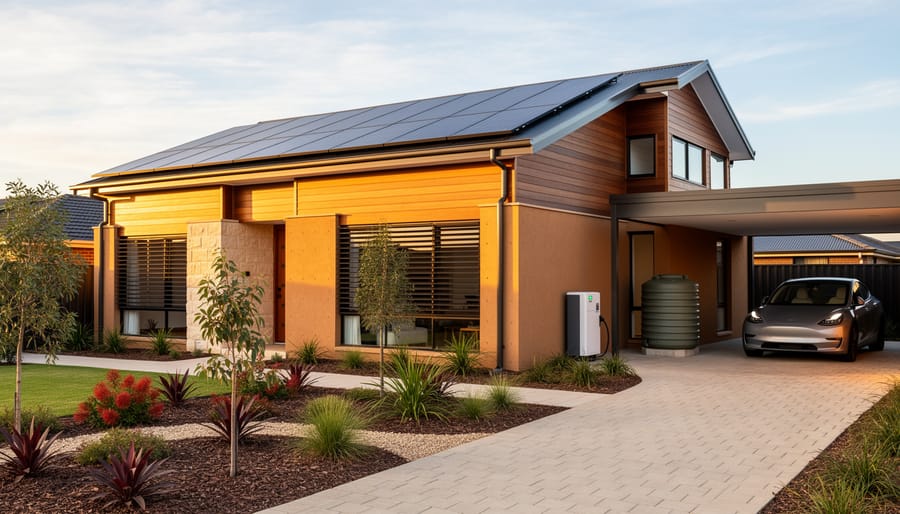
Starting Smart: Assessing Your Home’s Sustainability Potential
Before diving into renovations, understanding where your home stands is essential—and it’s easier than you might think. A home sustainability assessment provides the roadmap you need to make informed decisions that deliver real results.
Start with an energy audit, which reveals exactly where your home loses efficiency. Many Australian energy retailers offer free or discounted audits, and the federal government’s Home Energy Scorecard provides a standardized rating system. You’ll discover whether poor insulation, inefficient appliances, or air leaks are driving up your bills. These insights help you prioritize renovations that offer the biggest environmental and financial returns.
Water usage deserves equal attention. Check your water bills for consumption patterns and inspect for leaks—a dripping tap can waste thousands of litres annually. Consider your landscape too; is rainwater running off your property unused? Could greywater systems reduce your reliance on mains supply?
The good news? You’re not doing this alone. Australian governments offer generous support through various rebate programs. The Victorian Energy Upgrades program, NSW Energy Savings Scheme, and similar state initiatives can significantly offset costs for solar panels, insulation, and efficient heating systems. The federal Small-scale Renewable Energy Scheme provides certificates that reduce solar installation expenses across the country.
Many councils also offer free sustainability assessments and workshops, connecting you with local experts and fellow homeowners on the same journey. These community resources transform what might feel overwhelming into an achievable, supported process. Start by contacting your local council’s sustainability team—they’re genuinely eager to help residents create more efficient, comfortable homes while building a greener Australia together.
Energy Efficiency Renovations That Actually Pay Off
Solar Power and Battery Storage Solutions
Installing solar panels on your Australian home is one of the most impactful steps towards energy independence and reduced carbon emissions. With abundant sunshine across the continent, Australian households are perfectly positioned to harness clean energy while slashing electricity bills. Modern solar systems now integrate seamlessly with battery storage solutions, allowing you to store excess energy generated during peak sunlight hours for use during evenings or cloudy days.
When planning your solar investment, consider your household’s energy consumption patterns and roof orientation. North-facing panels typically deliver optimal performance, though east and west orientations can also be highly effective. Battery systems like the Tesla Powerwall or Sonnen batterie have become increasingly affordable, with government rebates and incentives making them more accessible. Many states offer generous feed-in tariffs and installation subsidies, significantly improving your return on investment timeframe, often reducing payback periods to 3-5 years.
Maximizing solar panel efficiency involves regular cleaning, monitoring system performance, and timing energy-intensive activities during solar generation hours. Community solar initiatives are emerging across Australian suburbs, allowing renters and apartment dwellers to participate in shared solar farms and receive energy credits without installing panels on their own properties.
Before committing, obtain multiple quotes from Clean Energy Council accredited installers and verify warranty coverage. Your sustainable home renovation deserves quality components that will deliver reliable performance for decades to come.
Insulation and Thermal Performance Upgrades
Getting your insulation and weatherproofing right is one of the most impactful upgrades you can make for year-round comfort and lower energy bills. Australian homes face unique challenges, from scorching summers in the north to chilly winters down south, making quality insulation essential for every climate zone.
Start with your ceiling, where up to 35% of heat loss and gain occurs. Materials like recycled polyester, natural wool, or cellulose made from recycled newspaper offer excellent thermal performance while treading lightly on the planet. For walls, consider sustainable options like hemp batts or sheep’s wool, which naturally regulate moisture and provide superior insulation values.
Floor insulation is often overlooked but makes a remarkable difference, particularly in elevated homes. Sustainable cork or recycled foam boards can transform cold rooms into cozy spaces while reducing your heating needs dramatically.
Complement these upgrades with passive design principles that work with our climate, not against it. Strategic eave design, thermal mass materials like concrete or brick, and cross-ventilation create natural cooling pathways. North-facing windows capture winter warmth while deep verandahs provide summer shade. Together, these elements create a home that breathes naturally, reducing your reliance on mechanical heating and cooling by up to 60%. Your family stays comfortable, your energy bills shrink, and the environment benefits from your thoughtful choices.
Windows, Doors, and Natural Ventilation
Smart window choices can transform your home’s comfort while slashing energy bills. Double glazing is your first line of defence against Australia’s temperature extremes, creating an insulating air pocket between two glass panes that keeps summer heat out and winter warmth in. Many Australian homeowners report reducing their heating and cooling costs by up to 30% after upgrading to quality double-glazed windows.
Strategic window placement works with our climate, not against it. North-facing windows capture winter sun for natural warmth, while eaves and shading protect against harsh summer rays. Cross-ventilation is particularly effective in Australian homes—positioning windows on opposite walls allows coastal breezes and prevailing winds to flow through, naturally cooling your space without air conditioning.
Consider installing adjustable louvres or highlight windows to fine-tune airflow throughout the day. Communities across Australia are rediscovering these time-tested ventilation techniques, proving that sometimes the most sustainable solutions blend traditional wisdom with modern materials. Your local energy assessor can help identify the optimal window configuration for your specific location and home orientation.
Water-Wise Renovations for the Australian Climate
Rainwater Harvesting and Greywater Systems
Water is one of Australia’s most precious resources, and capturing it at home makes both environmental and economic sense. Installing rainwater and greywater systems during your renovation can dramatically reduce mains water consumption while cutting utility bills.
Rainwater harvesting starts with selecting the right tank size. Most Australian families benefit from tanks between 3,000 to 10,000 litres, depending on roof catchment area and household needs. Position tanks close to downpipes and ensure proper filtration through first-flush diverters that remove debris before water enters storage. Many councils now mandate rainwater tanks for new builds and major renovations, so check your local requirements early in the planning stage.
Greywater systems recycle water from showers, basins, and laundry for garden irrigation. Treatment options range from simple diversion systems starting around 500 dollars to sophisticated treatment plants exceeding 5,000 dollars. The key is matching system complexity to your garden size and soil type. Sandy soils handle greywater well, while clay requires more careful management.
Integration with existing plumbing requires licensed professionals familiar with AS/NZS 3500 plumbing standards. State regulations vary significantly. For instance, Victoria allows certain DIY greywater systems, while Queensland mandates professional installation for all treated greywater applications. Check with your local water authority about approvals needed before starting work.
Many Australian states offer rebates for water-saving installations, potentially covering 20 to 50 percent of costs. These systems typically pay for themselves within five to ten years through reduced water bills, making them a smart investment for your sustainable renovation journey.
Water-Efficient Fixtures and Appliances
Australian households can save significant water and money by installing water-efficient fixtures throughout their homes. Low-flow toilets, which use just 3-4 litres per full flush compared to older models consuming 11 litres, can reduce household water use by up to 35,000 litres annually. That translates to roughly $200 saved on water bills each year for a typical family.
Modern water-saving showerheads maintain excellent pressure while using only 7-9 litres per minute, cutting shower water consumption in half without sacrificing comfort. Kitchen and bathroom taps with flow restrictors or aerators deliver the same functionality whilst reducing flow from 18 to 6 litres per minute.
When choosing appliances, look for high WELS ratings. The Water Efficiency Labelling and Standards scheme helps Australian consumers identify the most efficient options. A 4-star WELS-rated dishwasher uses approximately 10 litres per wash compared to 20 litres for lower-rated models. Front-loading washing machines with 4.5-star ratings consume around 50 litres per load versus 120 litres for older top-loaders.
Many Australian councils offer rebates on water-efficient upgrades, making the initial investment more affordable whilst benefiting both your household budget and our precious water resources.
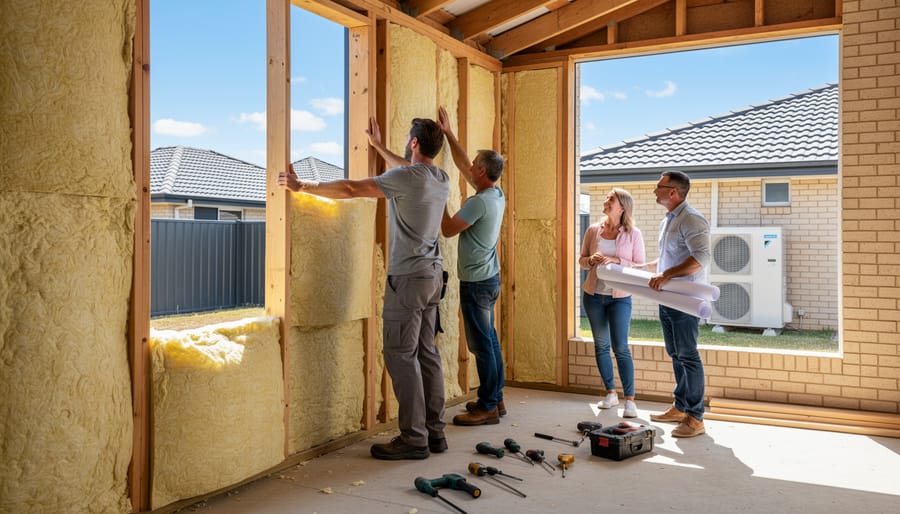
Sustainable Landscaping Integration
Your sustainable home renovation doesn’t stop at the front door. Creating a seamless connection between indoor upgrades and outdoor water management amplifies your environmental impact while reducing costs. Australian homes lose thousands of litres through runoff annually, but thoughtful landscaping turns this challenge into opportunity.
Start with permeable paving for driveways and pathways. These surfaces allow rainwater to filter naturally into the ground rather than overwhelming stormwater systems, reducing strain on local infrastructure during our increasingly intense rainfall events. Pair this with bioswales—shallow planted channels that capture and filter runoff from roofs and hard surfaces before it reaches drains.
Native gardens are your secret weapon. Australian plants have evolved for our challenging conditions, requiring minimal water once established. A mix of grasses, shrubs, and ground covers creates habitat for local wildlife while significantly cutting irrigation needs. Many councils across Australia now offer free native plant programs, making this transition even more accessible.
Consider installing a rain garden in natural low points of your yard. These planted depressions temporarily hold water after storms, allowing it to slowly infiltrate while filtering pollutants. Combined with your indoor water-saving fixtures, this integrated approach can reduce your household’s water footprint by up to 40 percent, creating a truly sustainable home ecosystem.
Choosing Sustainable Materials for Your Renovation
Recycled and Reclaimed Materials
Choosing recycled and reclaimed materials for your renovation connects your home to Australia’s rich architectural heritage while dramatically reducing your environmental footprint. These materials divert tonnes of waste from landfill and often carry unique character that new products simply can’t replicate.
Reclaimed timber is a standout option, salvaged from demolished warehouses, old wharves, and heritage buildings across the country. Think rich red ironbark flooring or weathered spotted gum beams that tell a story. Many Australian suppliers specialise in rescued hardwoods, offering boards that have already stood the test of time and come with genuine patina.
Recycled bricks bring warmth and authenticity to modern renovations. Melbourne’s distinctive cream bricks or Sydney’s sandstock varieties are regularly available through architectural salvage yards, perfect for feature walls or garden structures. These bricks often cost less than new equivalents while offering superior quality from an era of traditional craftsmanship.
Beyond timber and bricks, explore reclaimed fixtures, doors, windows, and tiles through specialist salvage centres in major cities. Online marketplaces and community groups have also become treasure troves for finding quality materials. By choosing reclaimed options, you’re not just building a sustainable home—you’re preserving Australia’s building heritage and supporting a circular economy that benefits everyone.
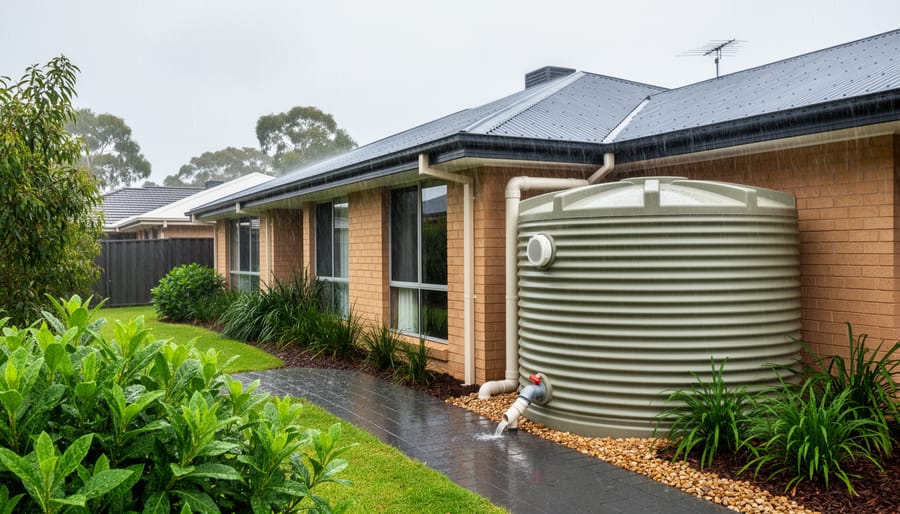
Low-Impact New Materials
Choosing the right building materials transforms your renovation from standard to sustainable, and Australian homeowners now have access to an exciting range of low-impact options. Bamboo flooring has become increasingly popular in Queensland and New South Wales homes, offering durability that rivals hardwood while growing to maturity in just three to five years. Local suppliers like Bamboozle and Eco Timber Group stock Australian-certified bamboo that suits our climate perfectly.
For walls with exceptional insulation properties, hempcrete is gaining traction among eco-conscious renovators. This breathable material, made from hemp fibres and lime, naturally regulates humidity and provides excellent thermal performance. Australian companies such as Hemp Building Systems now offer locally-sourced hempcrete products and installation guidance.
Recycled steel framing delivers strength without the environmental cost of virgin materials, with many Melbourne and Sydney steel suppliers now offering recycled content options. When it comes to finishing touches, low-VOC paints from Australian brands like Porters Paints and Murobond ensure your indoor air quality remains healthy.
Timber remains a renovation staple, but choosing certified sustainable options matters. Look for Forest Stewardship Council or Responsible Wood certification when selecting timber from suppliers like Woodform Architectural or Outdure. These certifications guarantee your timber comes from responsibly managed Australian forests, supporting both local jobs and forest regeneration.
Avoiding Greenwashing in Building Products
Navigating the world of sustainable building products requires a discerning eye, as greenwashing has become increasingly common in the Australian market. Start by looking for recognised third-party certifications like Good Environmental Choice Australia (GECA), Global GreenTag, or the Green Building Council of Australia’s materials ratings. These independent verifications mean products have met rigorous environmental standards beyond marketing claims.
When assessing materials, ask suppliers specific questions about their products’ lifecycle. Where are raw materials sourced? What’s the embodied energy? Can it be recycled at end-of-life? Genuine sustainable manufacturers will readily provide Environmental Product Declarations (EPDs) with transparent data. Be wary of vague terms like “eco-friendly” or “natural” without supporting evidence.
The Australian building community has created valuable resources to help you make informed choices. Websites like Ecospecifier and databases from Sustainable Building Australia offer verified product information tailored to our climate and regulations. Connect with local sustainable building groups through social media or community workshops where renovators share experiences with specific products and suppliers. This collective knowledge helps separate authentic sustainability from clever marketing, ensuring your renovation genuinely contributes to a healthier planet while supporting businesses committed to real environmental responsibility.
Managing Renovation Waste Responsibly
Renovation waste is one of Australia’s fastest-growing environmental challenges, with construction and demolition materials accounting for around 40% of all waste sent to landfill. The good news? Your sustainable home renovation can buck this trend with thoughtful planning and the right partners.
Before demolition begins, conduct a thorough audit of materials that could find a new home. Salvaged timber, tiles, fixtures, and fittings are treasures for someone else’s project. Organizations like Reverse Garbage and The Bower in Sydney, or Reborn in Melbourne, accept donations of reusable building materials and help keep tonnes of waste from landfill each year. These community enterprises not only divert waste but create local employment and make sustainable building accessible to everyone.
Consider engaging contractors who prioritize waste management. Look for builders affiliated with programs like the Master Builders Association’s GreenSmart program, which certifies professionals committed to sustainable practices. Ask potential contractors about their waste management plans during the quoting process. The right team will have established relationships with recycling facilities and understand how to separate metals, concrete, plastics, and timber for proper processing.
Create designated sorting areas on-site from day one. Clearly labeled bins for different materials make responsible disposal easy for everyone on the job. Many Australian councils now offer specific recycling services for construction waste, so check with your local authority about available options.
Even seemingly minor materials matter. Leftover paint can be recycled through Paintback, while old carpets might be processed through soft plastics programs. This attention to detail transforms your renovation from a waste-generating project into a circular economy success story, demonstrating that sustainable homes begin with sustainable practices.
Real Australian Homes: Sustainable Renovation Success Stories
Real Australian homeowners are proving every day that sustainable renovations aren’t just possible—they’re practical, affordable, and genuinely life-changing. Here are three inspiring stories from around the country.
The Miller family in Brunswick, Melbourne, tackled their 1970s brick veneer with determination but limited funds. Working with a $45,000 budget, they prioritized strategic upgrades: 6.6kW solar panels, double-glazed windows on the western side, and ceiling insulation throughout. “We couldn’t do everything at once, so we focused on what would make the biggest difference,” Sarah Miller explains. The challenge? Coordinating tradespeople during the pandemic. The reward? Their energy bills dropped by 78% within the first year, and their home stays comfortable year-round without constant heating or cooling. They’re now saving enough quarterly to fund their next phase: rainwater harvesting.
In Fremantle, Western Australia, architect James Chen renovated his 1920s weatherboard cottage using reclaimed materials and passive solar principles. He repositioned windows to capture winter sun, installed thermal mass flooring using recycled bricks, and sourced second-hand timber for new decking. “People assume sustainable means expensive, but hunting for reclaimed materials actually saved us about $18,000,” he shares. The trickiest part was navigating heritage overlays while installing external shading, but working closely with the local council resulted in a solution that respected the home’s character. His cooling costs have virtually disappeared, even during Perth’s scorching summers.
The Nguyen family’s Sydney semi-detached renovation focused on water efficiency in drought-prone conditions. They installed a greywater system recycling shower and laundry water for their garden, added a 5,000-litre rainwater tank, and replaced all fixtures with water-efficient alternatives. Combined cost: $8,200, with a $1,500 NSW government rebate. “Our water usage dropped 60%, and the garden’s never looked better,” says Michael Nguyen. “It just makes sense for Australian conditions.”
These homeowners prove that sustainable renovations deliver real results regardless of budget or starting point.
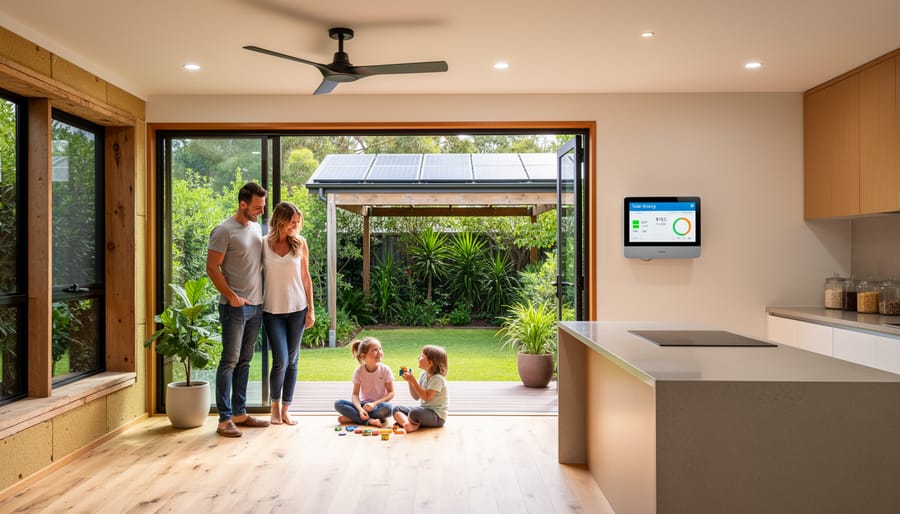
Funding Your Sustainable Renovation
The journey to a sustainable home doesn’t have to drain your savings, especially with the range of support available across Australia. Understanding your financing options can transform an ambitious renovation dream into an achievable reality.
Start by exploring government rebates and incentives in your state. Victorian homeowners can access the Solar Homes Program, offering rebates up to $1,400 for solar panel installation and interest-free loans for solar batteries. NSW residents benefit from the Empowering Homes program, providing interest-free loans for solar and battery systems. South Australians have access to the Home Battery Scheme, while Queensland offers interest-free loans through the Climate Smart Energy Savers Program. Each state has unique offerings, so check your local government websites for the latest programs.
Green loans are gaining momentum nationwide, with major banks now offering competitive rates for environmentally friendly renovations. These specialized loans often feature lower interest rates than standard home improvement loans because they’re investing in projects that reduce long-term costs and environmental impact. The Clean Energy Finance Corporation also partners with lenders to provide attractive financing options.
When calculating your investment, think beyond the initial price tag. A quality solar system might cost $6,000 upfront but could save you $1,500 annually on electricity bills, paying for itself within four years. Double-glazed windows, insulation upgrades, and efficient hot water systems follow similar patterns where upfront costs yield substantial long-term returns through reduced energy consumption.
Don’t overlook energy efficiency audits either. Many states subsidize these assessments, which identify exactly where your home loses energy and money. This targeted approach ensures you invest wisely, prioritizing renovations that deliver maximum environmental and financial returns. Remember, every dollar spent on sustainable upgrades typically saves two dollars in future energy costs while building equity in your home.
Creating a sustainable home isn’t reserved for the wealthy or the privileged—it’s within reach for everyday Australians ready to make a difference. Whether you’re in suburban Melbourne, regional Queensland, or coastal New South Wales, you have the power to transform your living space into an environmentally responsible haven that saves money and protects our precious environment for future generations.
The journey to sustainability doesn’t require a complete overhaul overnight. Start with one manageable project that fits your budget and skills. Perhaps it’s installing a rainwater tank to combat water scarcity, switching to LED lighting throughout your home, or adding insulation to reduce energy consumption during those scorching summers and chilly winters. Each small step creates momentum, building your confidence and demonstrating tangible results that inspire further action.
Remember, you’re not alone in this journey. Across Australia, thousands of homeowners are embracing sustainable renovations, sharing their experiences, challenges, and victories. This growing community of conscious renovators proves that practical environmental action is achievable and rewarding.
Take that first step today. Choose one project from this guide and commit to making it happen within the next three months. Document your progress, track your savings, and celebrate your achievements. We’d love to hear about your sustainable renovation journey—share your story with fellow Australians who are transforming homes and building a greener future together. Your experience might just inspire someone else to begin their own sustainable transformation.