
Choose shuttle operators that prioritize hybrid or electric vehicles, reducing your carbon footprint by up to 50% compared to traditional diesel shuttles on the Orlando to Port Canaveral route. This 45-mile journey to your cruise departure doesn’t have to compromise your environmental values, and savvy travelers are discovering that sustainable transport options deliver both comfort and conscience.
Verify a shuttle company’s eco-credentials by requesting specific information about their fleet composition, carbon offset programs, and fuel efficiency metrics before booking. Genuine green operators willingly share data about their environmental initiatives, from vehicle maintenance schedules that optimize fuel consumption to participation in recognized sustainability certification programs.
Book shared shuttle services rather than private transfers to maximize passenger capacity per trip, cutting individual emissions by 60-75% while maintaining reliable departure times. This community-minded approach mirrors the collective action Australians have embraced in reducing transport emissions, proving that individual choices create measurable environmental impact when multiplied across thousands of cruise passengers annually.
Request digital ticketing and paperless confirmation to eliminate unnecessary waste from the start of your journey. Many operators now offer comprehensive mobile apps that provide real-time tracking, boarding information, and trip receipts without printing a single page.
For Australian travelers planning Florida cruises, the same sustainability principles that guide domestic travel choices apply internationally. The transportation sector accounts for nearly 20% of global carbon emissions, making every journey selection meaningful. Companies like Always Superb demonstrate that premium service and environmental responsibility aren’t mutually exclusive, offering travelers practical pathways to reduce their vacation footprint while accessing world-class cruise experiences.
The Hidden Environmental Cost of Conventional Shuttle Services
What One Shuttle Journey Really Releases
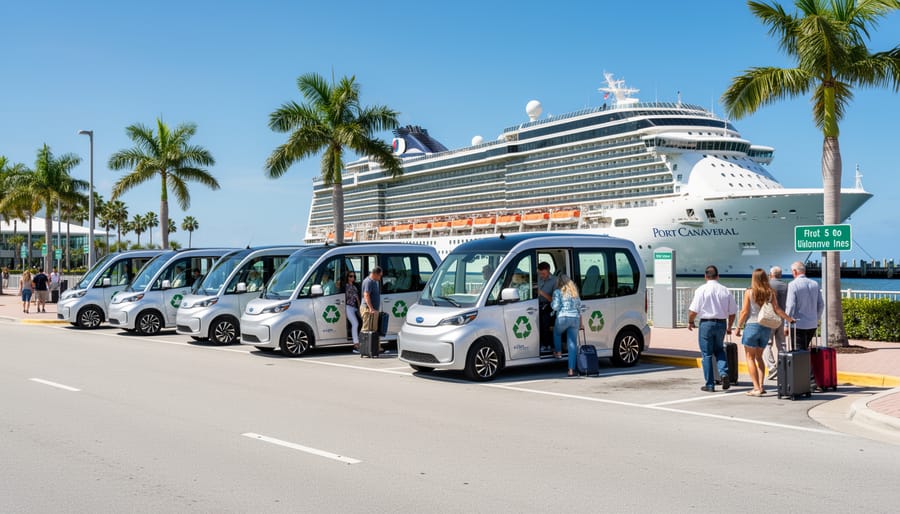
A typical shuttle journey from Orlando to Port Canaveral covers roughly 72 kilometres and releases between 8-15 kilograms of CO2 per passenger in a standard vehicle. To put that in perspective, it’s equivalent to the emissions from charging your smartphone nearly 1,000 times or running your household washing machine through about 15 full cycles.
For Australians planning cruise holidays, understanding these numbers matters because carbon emissions from transport add up quickly during travel. A single journey might seem insignificant, but when multiplied across thousands of cruise passengers weekly, the environmental impact becomes substantial.
The encouraging news? Eco-friendly shuttle operators are reducing these emissions by 40-60% through electric or hybrid vehicles, optimised routing, and full capacity loads. Some services achieve emissions as low as 3-5 kilograms per passenger for the same journey. That’s the difference between running your air conditioner for three hours versus just one. By choosing greener shuttle options, you’re making a tangible difference before your holiday even begins, proving that sustainable choices don’t require sacrificing convenience.
The Cumulative Impact of Cruise Tourism Transport
Port Canaveral ranks among the world’s busiest cruise ports, welcoming over 4 million passengers annually who collectively generate substantial environmental impact during their journey to the terminal. Think of it like this: if each passenger vehicle traveling the 72-kilometre route from Orlando emits roughly 15 kilograms of CO2, the cumulative effect resembles the annual emissions of a small Australian town. The environmental toll extends beyond carbon—idling vehicles in cruise terminal queues contribute to local air quality issues, while the sheer volume of traffic creates road congestion and noise pollution affecting nearby communities including Cocoa Beach and Cape Canaveral.
For Australians planning their overseas adventures, understanding this collective footprint matters. We’re a community that values our natural environment, from the Great Barrier Reef to our pristine coastlines. When we travel internationally, choosing eco-friendly shuttle services becomes our opportunity to vote with our wallets and demonstrate that sustainable tourism infrastructure isn’t just desirable—it’s essential. Every passenger who selects a shared electric or hybrid shuttle over a private car reduces this cumulative burden, proving that individual choices create meaningful community-wide change.
What Makes a Shuttle Service Truly Eco-Friendly
Vehicle Technology That Actually Reduces Emissions
When choosing a shuttle for the Orlando to Port Canaveral route, understanding the technology powering your ride makes all the difference to our planet. Much like the growing fleet of electric buses transforming Australian cities, shuttle operators in Florida are embracing cleaner alternatives that dramatically reduce carbon footprints.
Hybrid shuttles represent the most common eco-friendly option on this route. These vehicles combine traditional engines with electric motors, reducing fuel consumption by 25-40% compared to conventional shuttles. Think of them as the practical middle ground, similar to hybrid technology we’re seeing adopted across Australian transport networks. They’re particularly efficient in stop-and-go traffic around Orlando’s tourist areas.
Fully electric shuttles are emerging as the gold standard, producing zero direct emissions during operation. While less common due to range considerations, several forward-thinking operators now run electric vehicles on this 72-kilometre journey. The environmental benefit is substantial: eliminating approximately 2.5 kilograms of carbon dioxide per passenger compared to diesel alternatives.
Biodiesel shuttles offer another compelling option, running on renewable fuels derived from vegetable oils or recycled cooking grease. These vehicles can reduce lifecycle emissions by up to 80%, creating a closed-loop system that resonates with circular economy principles many Australian communities champion.
When booking, don’t hesitate to ask operators specific questions about their fleet technology. Genuine eco-friendly operators welcome these conversations and can provide details about fuel efficiency ratings, emission certifications, and maintenance practices that keep their vehicles running cleanly. This transparency reflects the same community accountability we value back home.
Operational Practices Beyond the Vehicle
True eco-friendliness extends far beyond choosing a hybrid vehicle. The most environmentally responsible Orlando to Port Canaveral shuttle operators implement comprehensive operational practices that mirror the sustainable transport choices we’re seeing emerge in Australian cities.
Carbon offset programs represent a growing commitment among leading shuttle services. These programs calculate emissions from each journey and invest in verified environmental projects, from reforestation initiatives to renewable energy developments. While carbon offsetting shouldn’t replace emissions reduction, it demonstrates a company’s willingness to take responsibility for its environmental footprint.
Route optimization technology plays a crucial role in reducing unnecessary mileage. Smart scheduling systems group passengers traveling at similar times, minimizing empty vehicle trips and overall fuel consumption. This approach works similarly to rideshare pooling but with greater coordination and planning.
Regular vehicle maintenance keeps shuttles operating at peak efficiency. Well-maintained engines consume less fuel and produce fewer emissions. Look for operators who openly share their maintenance schedules and environmental performance data.
Passenger capacity strategies also matter significantly. Shuttles that maximize occupancy rates reduce the per-person carbon footprint of each journey. A full twelve-passenger shuttle creates far less environmental impact than six couples driving separate rental cars.
When researching shuttle options, ask operators directly about these practices. Companies genuinely committed to sustainability will enthusiastically share their environmental initiatives, creating accountability while inspiring others in the industry to follow suit.
Leading Green Shuttle Operators on the Orlando-Port Canaveral Route
Electric and Hybrid Fleet Operators
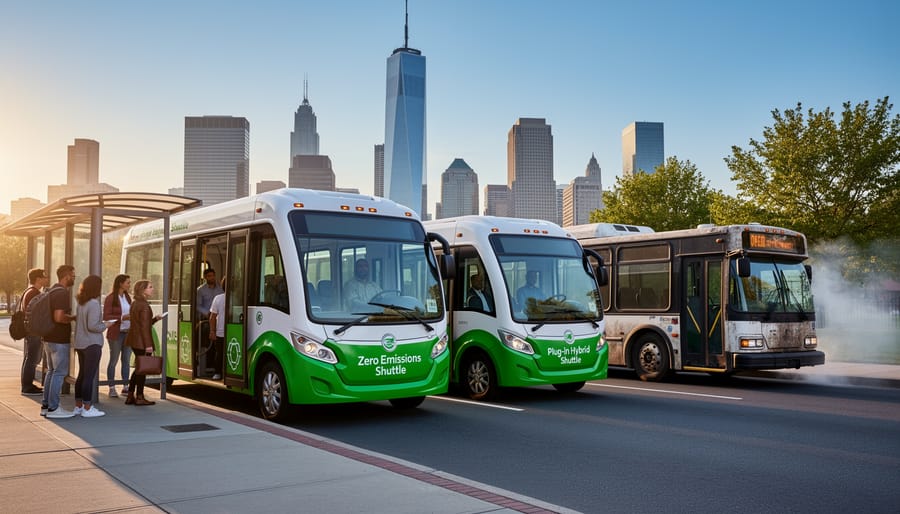
While researching eco-friendly transport options for your Florida cruise departure, you’ll be pleased to discover several shuttle operators now prioritising electric and hybrid vehicles for the Orlando to Port Canaveral route. This shift mirrors the sustainability movements gaining momentum in Australian transport sectors, where communities are actively demanding greener alternatives.
GO Airport Shuttle has introduced hybrid vehicles into their fleet, featuring Toyota Sienna Hybrid minivans that reduce fuel consumption by approximately 36% compared to conventional models. These eight-passenger vehicles combine petrol engines with electric motors, significantly lowering emissions during the 72-kilometre journey. Their hybrid fleet currently represents about 40% of their Port Canaveral operations, with plans to expand this proportion throughout 2024.
Cocoa Beach Shuttle Service operates several all-electric Tesla Model X vehicles for smaller groups, offering zero tailpipe emissions and a quieter, smoother ride. These luxury electric SUVs accommodate up to six passengers with luggage, proving that sustainability and comfort can coexist beautifully. Similar to innovative transport cooperatives emerging in Australian regional areas, these operators demonstrate that electric solutions work brilliantly for fixed-route services.
When booking, specifically request electric or hybrid vehicles, as availability varies by date and passenger numbers. Some operators charge modest premiums for guaranteed electric transport, typically around 10-15% above standard rates. This investment directly supports fleet expansion and encourages other companies to follow suit. Ask about vehicle specifications, charging practices, and what percentage of their fleet operates on alternative fuel sources to ensure you’re supporting genuinely committed operators.
Carbon-Neutral Certified Services
When planning your Orlando to Port Canaveral journey, choosing operators with verified environmental credentials makes a tangible difference. Several shuttle services now participate in carbon offset programs that fund renewable energy projects, reforestation initiatives, and community-based conservation efforts. Look for companies displaying certifications from recognized bodies like Green Business Bureau or Climate Neutral certification, which require annual audits and transparent reporting.
Much like the growing community of Australian businesses embracing verified sustainability standards, these American operators undergo rigorous third-party assessments to prove their environmental claims. The best providers openly share their carbon calculation methodologies and offset project details on their websites, allowing you to trace exactly where your travel dollars support environmental restoration. Some even offer passengers the choice to contribute additional funds toward specific conservation projects.
This transparency matters because it prevents greenwashing and ensures your eco-conscious choice creates measurable positive impact. When booking, request documentation of their current certifications and ask about their emissions reduction targets. Operators genuinely committed to environmental stewardship will proudly share this information, just as forward-thinking Australian companies do when engaging with environmentally aware customers.
Community-Focused Sustainable Transport
While larger operators dominate the Orlando-Port Canaveral route, several smaller shuttle services are quietly leading the way with genuine environmental commitments. These community-minded operators often partner with local conservation groups, offsetting emissions through regional reforestation projects and supporting Florida’s coastal protection initiatives. Think of them as the neighbourhood carpool champions who’ve scaled up their environmental ethic.
Look for operators displaying partnerships with organizations like the Brevard Zoo’s Sea Turtle Healing Center or groups working to protect the Indian River Lagoon. These connections demonstrate accountability beyond marketing claims. Some family-run shuttle businesses now use hybrid vehicles exclusively and invest profits back into community environmental programs, creating a ripple effect that extends far beyond a single journey.
When booking, ask potential operators about their local partnerships and how they measure their environmental impact. Companies genuinely committed to sustainability are usually eager to share their story and welcome the conversation. Supporting these smaller, community-focused operators creates positive change at the grassroots level, proving that every travel choice matters in building a more sustainable tourism industry.
How to Book and Support Eco-Friendly Shuttle Options

Questions to Ask Before Booking
Before you confirm your shuttle booking, it’s worth having a conversation with the operator to truly understand their environmental commitment. Start by asking what type of vehicles they operate—are they hybrid, electric, or biodiesel-powered? Request specifics about fuel efficiency ratings and emission levels, much like you’d check the energy rating on an appliance back home.
Inquire whether they participate in carbon offset programs. Some operators invest in verified environmental projects like reforestation or renewable energy initiatives that balance out their emissions. Ask for documentation or certifications that prove these programs are legitimate rather than just marketing claims.
Question their broader environmental policies too. Do they practice eco-driving techniques? How often do they maintain vehicles to ensure optimal efficiency? What’s their stance on single-use plastics in their shuttles?
Don’t hesitate to ask about group booking options either. Just as Australian communities thrive on collective action, sharing a shuttle with other cruise passengers dramatically reduces per-person emissions while often saving money. Finally, request transparency about any green certifications they hold—whether industry-recognized eco-labels or local environmental awards. Authentic operators will enthusiastically share this information, while vague responses might signal greenwashing. Your questions matter and help drive genuine change in the transport sector.
Spotting Greenwashing in Transport Services
When booking your Orlando to Port Canaveral transfer, spotting greenwashing is essential to ensure your choice genuinely benefits the environment. Many transport providers use vague environmental claims without substantiation, so knowing what to look for protects both the planet and your travel budget.
Start by requesting specific evidence of environmental credentials. Legitimate eco-friendly shuttles will readily share details about their vehicle fleet, including fuel efficiency ratings, emission standards, or hybrid and electric vehicle certifications. If a company simply labels itself “green” without backing data, that’s a red flag.
Look for third-party certifications or partnerships with recognized environmental organizations. Just as Australian businesses might display certified eco-labels, reputable Florida operators should demonstrate verifiable sustainability practices through industry certifications or documented carbon offset programs.
Ask direct questions: What percentage of their fleet uses alternative fuels? How do they measure and reduce emissions? Do they have a published sustainability policy? Companies committed to environmental responsibility will welcome these inquiries and provide transparent answers.
Check customer reviews for mentions of actual eco-friendly practices. Fellow environmentally conscious travelers often share observations about vehicle conditions and company practices. This community feedback helps separate genuine sustainability efforts from marketing spin.
Remember, authentic eco-friendly services typically cost slightly more due to investment in cleaner technology. Suspiciously low prices combined with grand environmental claims often indicate greenwashing rather than genuine commitment to sustainable transport solutions.
Making Your Entire Cruise Journey More Sustainable
Sustainable Accommodation Choices in Orlando
Extending your eco-friendly journey beyond transport means choosing accommodation that shares your values. Several properties along the Orlando to Port Canaveral corridor have earned genuine environmental certifications, making it easier to reduce your travel footprint from start to finish.
Look for hotels displaying Green Key Global or LEED certification near International Drive and the Space Coast. These properties typically feature energy-efficient lighting, water conservation systems, and comprehensive recycling programs—similar to the sustainability initiatives many Australian hotels have embraced. Properties like eco-certified resorts near Cocoa Beach actively participate in coastal conservation, protecting the very beaches cruise passengers love to visit.
When booking, ask about their shuttle partnerships with green transport operators to create a seamless sustainable travel experience. Many environmentally conscious hotels now collaborate with eco-friendly shuttle services, offering package deals that benefit both your wallet and the planet. This community-focused approach mirrors the grassroots sustainability movements we’re seeing across Australian tourism, where businesses work together to amplify their environmental impact.
Offsetting Your Cruise Carbon Footprint
While choosing an eco-friendly shuttle is a meaningful step, cruise travel itself generates significant emissions. The good news is that you can take further action by offsetting your journey’s carbon footprint through reputable programs.
Carbon offset programs work by funding projects that reduce greenhouse gases elsewhere, such as reforestation or renewable energy initiatives. For your Orlando to Port Canaveral cruise journey, consider calculating your total trip emissions, including flights from Australia, accommodation, and the cruise itself. Many Australians are already familiar with programs like Greenfleet or Carbon Neutral, which have strong track records domestically.
For cruise-specific offsetting, South Pole and Gold Standard certified programs offer transparent, verified projects. Calculate your emissions using online tools that account for distance travelled and transport type. A typical return flight from Sydney to Orlando generates around 3.5 tonnes of CO2 per passenger, whilst a seven-day cruise adds approximately 1 tonne.
Here’s the encouraging part: Australian travellers are increasingly embracing this practice as part of their travel planning, not as an afterthought. Some families even involve children in choosing offset projects, turning it into an educational opportunity about global environmental stewardship. By combining your eco-friendly shuttle choice with quality carbon offsets, you’re demonstrating the kind of thoughtful travel our planet needs.
Every journey begins with a single choice, and your decision to seek eco-friendly transport options already makes a difference. When planning your Orlando to Port Canaveral shuttle, remember that collective action starts with individual commitment. Just as Australian communities are championing sustainable initiatives from Sydney to Perth, travellers worldwide can influence the tourism industry through informed choices. By selecting operators with genuine environmental credentials, you’re not just reducing your carbon footprint—you’re sending a powerful message to the travel sector. Consider sharing your positive experiences with eco-conscious shuttle services, encouraging friends and family to follow suit. Most importantly, don’t hesitate to ask questions and demand transparency from service providers. The cruise industry thrives on customer preferences, so let’s make sustainability non-negotiable. Together, we can transform how we travel, one shuttle booking at a time.