
**Transform Your Fitness Routine Into an Environmental Win**
Swap your energy-guzzling gym sessions for outdoor workouts and slash your carbon footprint by up to 150 kilograms annually—equivalent to driving 600 kilometres in a standard car. Australia’s diverse landscapes, from coastal tracks to bushland trails, offer the perfect training ground for sustainable fitness that costs nothing and benefits everything.
Every indoor gym visit consumes approximately 0.65 kWh of electricity for lighting, air conditioning, and equipment—energy that powers treadmills simulating what your local park offers naturally. Meanwhile, outdoor fitness eliminates this environmental toll whilst connecting you with nature’s own resistance training: beach sand provides 1.6 times more muscular engagement than flat surfaces, and hill climbs rival any stair machine without the power bill.
The fitness industry’s environmental footprint extends beyond electricity. Manufacturing gym equipment, synthetic activewear, and maintaining climate-controlled spaces contributes significantly to greenhouse gas emissions. By shifting outdoors, you’re joining a growing movement of Australians reimagining exercise as an eco-conscious practice rather than a resource-intensive routine.
This guide reveals how to build a complete outdoor fitness program suited to Australian conditions—from sunrise beach circuits in Sydney to twilight trail runs through Melbourne’s green corridors. You’ll discover sustainable gear alternatives from Australian suppliers, proven workouts requiring zero equipment, and how connecting with outdoor fitness communities transforms both your health and environmental impact. The transition isn’t just about where you exercise; it’s about embracing a lifestyle where personal wellness and planetary health strengthen together.
Why Traditional Gyms Are Quietly Harming the Planet
Most of us don’t think twice about the environmental impact of our morning spin class or weight training session, but Australia’s fitness industry carries a surprisingly hefty environmental footprint. Understanding these impacts isn’t about feeling guilty—it’s about recognising opportunities for positive change.
Consider the energy demands first. A typical Australian gym consumes between 2,000 and 5,000 kilowatt-hours per month, primarily for climate control, lighting, and equipment. That’s roughly equivalent to powering 15-40 average Australian homes. With over 4,000 fitness facilities across the country, the collective energy consumption is staggering. During summer months, when gyms blast air conditioning to combat heat and humidity, energy usage can spike by 40%.
Water consumption adds another layer of concern. Beyond the obvious showers and pools, commercial gyms use significant water for cooling systems, laundry services, and sanitation. A medium-sized facility can consume upwards of 500,000 litres annually—enough to fill an Olympic swimming pool halfway.
The manufacturing and transportation of gym equipment creates a substantial carbon footprint too. Treadmills, ellipticals, and weight machines require energy-intensive production processes and often travel thousands of kilometres from overseas manufacturers. Once these machines reach their end-of-life—typically 7-10 years—most components end up in landfill rather than being recycled.
Chemical cleaning products, essential for hygiene in shared spaces, frequently contain harsh ingredients that eventually enter our waterways. Many conventional gym cleaners contain phosphates and volatile organic compounds that impact aquatic ecosystems—particularly concerning for a country surrounded by unique marine environments like the Great Barrier Reef.
The good news? These realisations open pathways to better choices. By understanding what traditional fitness centres cost our environment, we’re better equipped to explore alternatives that benefit both our health and our planet’s future.
The Environmental Benefits of Taking Your Workout Outside

Carbon Savings: The Numbers That Matter
Switching from gym to outdoor fitness can save approximately 200kg of CO₂ per person annually in Australia. That’s equivalent to driving from Sydney to Brisbane, or powering your home for three weeks. Traditional gyms consume massive amounts of energy through air conditioning, heated pools, machinery, and 24-hour lighting—all contributing to your carbon footprint even when you’re not there.
When you exercise in your local park or along coastal paths instead, you’re essentially cutting your fitness-related emissions by up to 70%. A typical Australian gym membership generates around 288kg of CO₂ yearly through facility operations and your travel to and from it. Outdoor fitness? Virtually zero emissions, especially if you walk or cycle to your workout spot.
These numbers become even more impressive when we consider community impact. If just 100 members of your local community made the switch, that’s 20 tonnes of CO₂ saved annually—the same amount absorbed by roughly 900 mature eucalyptus trees. And here’s the encouraging part: you’re not sacrificing results for sustainability. You’re simply choosing nature’s gym, where the equipment never needs replacing and the view changes with the seasons.
The Ripple Effect: How Green Exercise Changes Behaviour
Here’s something remarkable: when you take your workout outdoors, you’re not just building physical strength—you’re cultivating an environmental conscience that extends far beyond your exercise routine.
Australian research conducted at universities across Melbourne and Sydney has revealed a fascinating connection between green exercise and everyday sustainability choices. People who regularly work out in natural settings—whether it’s running along coastal paths, doing yoga in local parks, or cycling through bushland trails—consistently demonstrate higher rates of pro-environmental behaviour in their daily lives.
The psychology behind this is beautifully simple. When you’re immersing yourself in nature during exercise, you develop a deeper emotional connection to the environment. That connection translates into tangible actions: reduced single-use plastic consumption, increased recycling habits, more sustainable transport choices, and greater support for conservation initiatives.
A 2022 study tracking outdoor fitness enthusiasts in Brisbane found that 73% had made significant sustainable lifestyle changes within six months of starting regular nature-based exercise. These weren’t just minor tweaks—participants reported choosing reusable water bottles, buying local produce, and actively participating in community environmental projects.
The ripple effect continues to expand. Many outdoor fitness groups in Australian communities have evolved into environmental advocacy networks, organising beach clean-ups, tree-planting days, and sustainability workshops. When you exercise outdoors, you’re joining a movement that strengthens both personal wellbeing and planetary health—one workout at a time.
Eco-Friendly Outdoor Fitness Activities Across Australia
Coastal Workouts: Beach Running and Ocean Swimming
Australia’s stunning coastline offers incredible opportunities for outdoor fitness that connect you with nature while building strength and endurance. Beach running provides a challenging, low-impact workout—the soft sand engages stabilising muscles while reducing joint stress. Start with firmer sand near the water’s edge before progressing to softer surfaces. Ocean swimming delivers full-body conditioning whilst immersing you in our magnificent marine environments.
To protect these precious coastal ecosystems while exercising, take simple but meaningful actions. Always dispose of water bottles and energy gel wrappers properly—better yet, choose reusable alternatives. Stick to designated paths when accessing beaches to prevent dune erosion, which protects nesting sites for shorebirds and sea turtles. If you spot litter during your workout, grab it. Many coastal communities have organised “plogging” groups combining jogging with rubbish collection—a brilliant way to exercise whilst caring for Country.
Choose reef-safe sunscreen to protect marine life from harmful chemicals, and avoid exercising near sensitive areas like rock pools during low tide. When we treat our coastal spaces with respect, we ensure future generations can enjoy the same natural fitness paradise we’re privileged to experience today.
Bush Walking and Trail Running
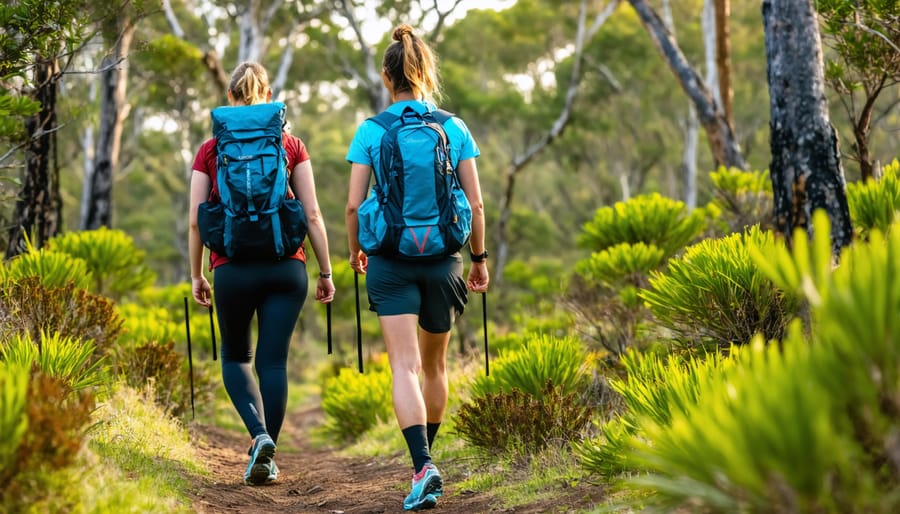
Australia’s bushland offers extraordinary opportunities for fitness while connecting with nature. From coastal tracks to mountain trails, bush walking and trail running provide cardiovascular benefits whilst immersing you in our unique ecosystems. However, with increasing visitor numbers to national parks, responsible practices are essential.
Embrace Leave No Trace principles during your adventures: stick to marked trails to prevent erosion, take all rubbish home (including organic waste like banana peels), and respect wildlife by observing from a distance. Before heading out, check Parks Australia or your state’s national parks website for track conditions and fire restrictions – small considerations that protect our precious landscapes.
Consider joining local trail running clubs or bush walking groups that actively participate in conservation efforts. Many organisations combine fitness activities with track maintenance days or wildlife monitoring programs. Groups like Bushwalking Victoria and the Trail Running Association regularly organise sustainable events that give back to the environments we enjoy.
When exploring locally, you’ll discover hidden trails in your area whilst reducing travel emissions. Download offline maps to minimise your impact, and consider supporting Indigenous-led walking tours that share cultural knowledge whilst funding conservation initiatives. Your fitness journey can actively contribute to protecting Australia’s remarkable natural heritage.
Park-Based Bodyweight Training
Australian parks offer incredible opportunities for zero-waste strength training right in your neighbourhood. Those sturdy playground structures, park benches, and established trees become your outdoor gym—no equipment manufacturing, transport emissions, or plastic waste required.
Start with the basics: park benches transform into platforms for step-ups, tricep dips, and elevated push-ups. Horizontal bars found in most playgrounds are perfect for pull-ups and hanging leg raises, building serious upper body strength. Tree trunks provide stable support for single-leg squats and stretching routines, while grassy areas cushion your bodyweight exercises naturally.
Community fitness groups across Sydney, Melbourne, and Brisbane are already embracing this approach, meeting weekly at local parks for shared bodyweight circuits. These gatherings not only eliminate gym energy consumption but strengthen neighbourhood connections—you’re reducing your carbon footprint while building community resilience.
The beauty lies in its simplicity: no membership fees, no equipment to replace, and no fossil fuels burned travelling to distant facilities. Your local park infrastructure is already there, maintained by councils, ready to support your fitness journey whilst treading lightly on our environment. It’s fitness that genuinely gives back to both body and planet.
Outdoor Yoga and Mindful Movement
Outdoor yoga transforms Australian parks, beaches, and backyards into free fitness studios while minimising your environmental footprint. Unlike gym-based workouts requiring electricity and equipment manufacturing, these practices need just your body and perhaps a mat made from sustainable yoga equipment.
Communities across Australia are embracing sunrise yoga sessions at local beaches and twilight tai chi in botanical gardens, creating connections between movement and nature. These gatherings often operate on donation basis, making fitness accessible while fostering environmental appreciation. Practices like qigong, Pilates, and gentle stretching require zero equipment, eliminating waste entirely.
The mindfulness component naturally encourages participants to notice seasonal changes, native wildlife, and local ecosystems—deepening their commitment to protecting these spaces. Many groups incorporate “plogging” (picking up litter while moving), directly benefiting the environment during each session. Start by joining existing outdoor classes in your area or simply roll out your mat at your favourite nature spot.
Community Fitness Groups and Plogging
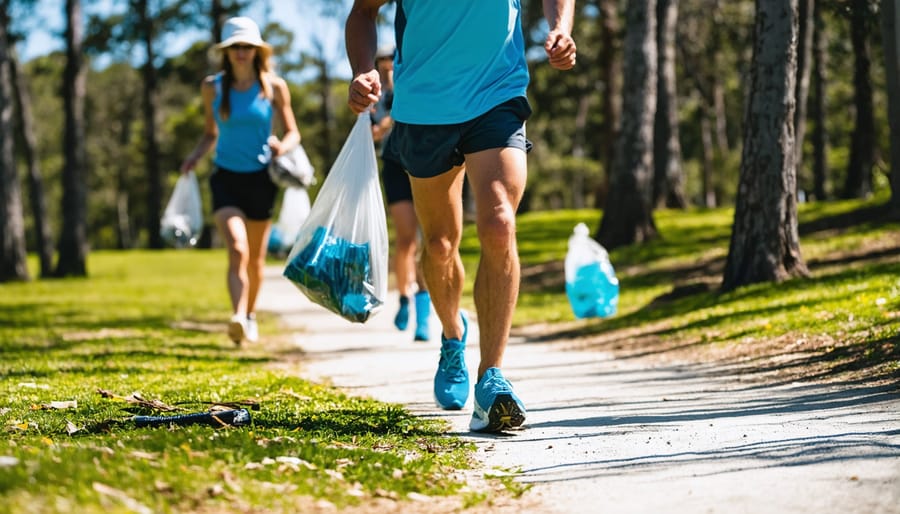
Across Australia, communities are proving that fitness and environmental action make powerful partners. Plogging—the Swedish-born trend of jogging while collecting rubbish—has taken root in cities from Sydney to Perth, with regular groups meeting at beaches, parks, and nature reserves. Melbourne’s Albert Park Lake hosts weekly plogging sessions where participants cover 5-10km while clearing hundreds of items from waterways. Brisbane’s ParkRun communities have embraced “pick-up runs,” combining timed fitness goals with litter collection.
These initiatives create accountability and camaraderie while delivering tangible environmental results. Sydney’s Bondi to Bronte coastal walk sees monthly plogging events removing up to 50kg of waste per session. Many groups partner with local councils to properly sort recyclables, turning every workout into measurable community impact. Whether you join established groups through social media or start your own neighbourhood initiative, combining fitness with environmental stewardship transforms solo exercise into shared purpose—keeping you motivated while protecting the Australian landscapes we love to explore.
Building Your Zero-Waste Outdoor Fitness Kit
What You Actually Need (And What You Don’t)
The beauty of outdoor fitness lies in its simplicity—nature provides the resistance, and your body does the rest. You genuinely don’t need much to get started, which is brilliant news for both your wallet and the planet.
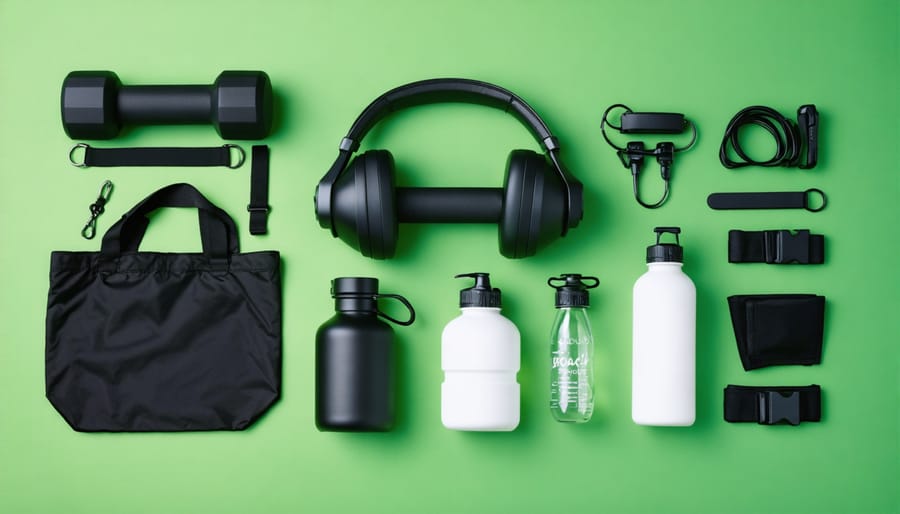
**What’s actually essential:** A reusable water bottle (preferably stainless steel), comfortable activewear you already own, and proper footwear suitable for Australian terrain. That’s it. Your local park bench becomes your gym equipment—perfect for step-ups, tricep dips, and elevated push-ups.
**What you can skip:** Expensive gadgets, single-use plastics, and specialty equipment marketed as “must-haves.” Trees work wonderfully for assisted stretches and pull-ups. Beach sand provides natural resistance training that no fancy machine can replicate.
If you want to expand your toolkit, consider borrowing or buying second-hand resistance bands or a yoga mat from community swap groups. Many Australian councils now offer free outdoor fitness equipment in parks—check what’s already available in your neighbourhood before purchasing anything new.
Remember, the most sustainable piece of equipment is the one you’ll actually use consistently. Start minimal, embrace what’s around you, and invest only when you’ve identified genuine gaps in your routine.
Sustainable Gear Choices for Aussie Conditions
Making sustainable gear choices doesn’t mean compromising on quality—plenty of Australian brands are leading the way in eco-conscious activewear. Look for local companies like Boody (using organically grown bamboo), Afends (incorporating recycled materials), and Outland Denim who prioritize ethical manufacturing right here on home soil. These brands understand our harsh UV conditions and humidity, designing pieces that breathe in Cairns summers while protecting you from Melbourne’s unpredictable weather.
Before buying new, explore second-hand options through platforms like Gumtree, Facebook Marketplace, or dedicated sports swap groups popping up across Australian communities. Quality outdoor gear often lasts years, making pre-loved equipment an affordable and planet-friendly choice.
When selecting new items, prioritize natural materials like merino wool (excellent for temperature regulation in our variable climate), organic cotton, and bamboo fabrics. Avoid synthetic materials when possible, as they shed microplastics during washing that end up in our precious waterways and oceans.
Choose multi-purpose equipment that serves various activities—resistance bands, reusable water bottles made from stainless steel, and quality running shoes that can be resoled. Supporting Australian businesses means reduced shipping emissions and strengthening our local sustainable economy.
DIY Fitness Equipment from Recycled Materials
Transform everyday items into effective workout gear while keeping materials out of landfill. Fill old milk bottles with sand or water to create adjustable dumbbells – perfect for strength training in your local park. Sturdy shopping bags loaded with books make excellent kettlebell alternatives for swings and squats. Old tyres, abundant at recycling centres across Australia, become fantastic equipment for flipping exercises, step-ups, or partner-based workouts. Even worn-out towels gain new life as resistance bands for stretching and mobility work. Garden hoses can be cut and filled with sand for weighted bars, while PVC pipes from renovation projects transform into agility hurdles. Many community fitness groups in suburbs from Brisbane to Melbourne share creative DIY equipment ideas, fostering both environmental responsibility and neighbourhood connections. This approach not only saves money but demonstrates how sustainable fitness doesn’t require purchasing new gear – just a bit of Aussie ingenuity.
Creating an Eco-Conscious Outdoor Fitness Routine
Timing Your Workouts with Nature
Choosing the right time for your outdoor workout makes a genuine difference to local ecosystems. Early morning sessions, just after sunrise, offer cooler temperatures and reduced UV exposure while avoiding peak activity times for many Australian native animals. If mornings don’t suit, late afternoon workouts work well too, though you’ll want to finish before dusk when wildlife emerges for evening feeding.
During spring, consider adjusting your routes to avoid nesting areas—many Australian birds are particularly protective during breeding season. Summer sessions are best scheduled before 10am or after 4pm, reducing both your sun exposure and the risk of heat stress on local fauna you might encounter. This mindful timing not only protects sensitive ecosystems but also enhances your experience, as you’re more likely to observe wildlife naturally going about their routines without disturbance. By syncing your fitness routine with nature’s rhythms, you’re joining a growing community of Australians who understand that respecting our unique environment makes outdoor exercise more rewarding for everyone.
Protecting the Spaces You Use
When you choose outdoor spaces for your fitness routine, you become a custodian of those environments. Looking after our trails, parks, and beaches ensures they remain accessible for everyone while protecting the native ecosystems that make Australia unique.
Start with the basics: always carry a reusable bag for rubbish, including your own and any litter you spot along the way. Many outdoor fitness enthusiasts across Australia have adopted the “plogging” movement—combining jogging with picking up rubbish—transforming a simple run into an active conservation effort.
Stick to marked trails to prevent erosion and protect native vegetation. When you venture off-path, even accidentally, you risk damaging fragile plant communities that take years to recover. If you’re exercising in areas with wildlife, maintain a respectful distance and avoid disturbing nesting sites, particularly during breeding seasons.
Consider joining local conservation groups like Landcare or Friends of Parks networks. These organisations regularly organise working bees where you can contribute to track maintenance, tree planting, or weed removal—activities that double as brilliant workouts while directly benefiting your local environment.
Many councils also run “Adopt a Park” programs where individuals or fitness groups take responsibility for keeping specific areas clean and well-maintained. It’s a meaningful way to give back to the spaces that support your wellness journey.
Australian Communities Leading the Green Fitness Movement
Across Australia, communities are proving that fitness and environmental stewardship go hand in hand. From coastal councils to inland community groups, inspiring initiatives are transforming how we think about outdoor exercise.
In Victoria, the City of Yarra has pioneered a network of outdoor fitness stations crafted entirely from reclaimed timber and recycled materials. These stations dot popular running routes along the Merri Creek Trail, encouraging walkers and joggers to incorporate strength training without requiring electricity or synthetic equipment. The council reports over 12,000 regular users since the program launched in 2022, with community workshops teaching residents how to maximize these natural fitness opportunities.
Queensland’s Sunshine Coast Council has taken a different approach by establishing “Green Gym” sessions in local parks. These free, trainer-led classes combine traditional exercises with environmental activities like weeding invasive species and planting native trees. Participants burn calories while actively restoring local ecosystems—a brilliant example of what locals call “conservation cardio.” The program now runs in eight locations, with waiting lists demonstrating its popularity.
In South Australia, the Adelaide Hills community group “Trail Warriors” organizes weekly outdoor fitness sessions that double as litter collection walks. Armed with reusable collection bags and grabbers, members hike challenging terrain while cleaning up their beloved bushland. The group has removed over two tonnes of waste since 2021 while building a supportive fitness community of more than 200 members.
Western Australia’s City of Fremantle has transformed its beachfront with solar-powered outdoor gym equipment that generates energy as people exercise. The innovative stations feature electronic displays showing how much renewable energy users create with each workout—turning every session into a tangible contribution to local sustainability goals.
These initiatives demonstrate that when communities prioritize both health and environmental care, everyone benefits. They’re creating accessible, inspiring models that other councils and groups nationwide can adapt to their local conditions.
Overcoming Common Barriers to Outdoor Fitness
Weather Extremes and Australian Climate
Australia’s climate presents unique challenges for outdoor fitness enthusiasts, but embracing these conditions beats the alternative of air-conditioned gyms that consume massive amounts of energy. Our harsh sun requires smart scheduling—early morning or evening sessions during summer months naturally align with UV safety while avoiding peak energy demand periods when air conditioning strains the grid.
Rather than retreating indoors when weather turns extreme, adapt your activities seasonally. Melbourne’s cooler months are perfect for trail running, while Sydney’s winter offers ideal conditions for coastal walks without the energy footprint of heated indoor facilities. On scorching days, seek natural shade under native trees in local parks or explore creek-side trails where the landscape itself provides cooling.
Invest in quality sun protection—reef-safe sunscreen, breathable UPF clothing, and a good hat last years and prevent the need for energy-intensive indoor alternatives. Many Australian communities have established early-morning fitness groups that work with our climate rather than against it, creating supportive networks that make sustainable outdoor exercise both safer and more enjoyable. When rain arrives, embrace it as part of the Australian outdoor experience—proper gear keeps you comfortable while celebrating our precious rainfall without demanding heated, climate-controlled spaces.
Safety and Motivation Without the Gym Structure
Trading gym walls for open skies doesn’t mean sacrificing support or safety. Start by connecting with local parkrun groups or outdoor fitness communities—most Australian coastal councils run free beach fitness sessions that welcome all abilities. These gatherings create natural accountability while reducing your carbon footprint together.
Safety remains paramount outdoors. Always tell someone your route, carry water in a reusable bottle, and check weather conditions before heading out. In summer, exercise during cooler morning hours to protect yourself and reduce water consumption. Pack out everything you bring in, and consider combining your workout with a plogging session—collecting litter while jogging benefits both your fitness and local environment.
Many councils now offer outdoor fitness equipment in parks, eliminating equipment needs entirely. Partner up with a neighbour for early morning walks or join community initiatives like Conservation Volunteers Australia, where trail maintenance becomes your workout. This community-focused approach keeps you motivated while actively caring for the natural spaces that support your fitness journey.
Making It Work in Urban Environments
City dwellers needn’t miss out on nature-based fitness! Australian cities are embracing creative solutions that bring exercise opportunities closer to home. Rooftop gardens and terraces are transforming into community workout spaces, whilst many urban green spaces now feature fitness equipment made from recycled materials. Scout your local parks for morning fitness groups—from yoga in Sydney’s Centennial Park to bootcamps along Melbourne’s Yarra River. Even concrete spaces can work: utilise building stairs for cardio or apartment balconies for bodyweight exercises. Connect with neighbours to establish rooftop exercise sessions, creating both fitness routines and community bonds. These innovative approaches prove sustainable outdoor fitness thrives anywhere with a bit of creativity and collective effort.
Your fitness journey doesn’t have to come at the planet’s expense. By choosing outdoor fitness, you’re making a powerful statement—one that benefits both your wellbeing and the environment we all share. Every beach run, bushland hike, or park workout session reduces energy consumption, cuts carbon emissions, and strengthens your connection to the Australian landscapes we’re working to protect.
The beauty of outdoor fitness is that it creates ripples far beyond your personal health gains. When you exercise outdoors, you inspire neighbours, build community connections, and contribute to a growing movement of Australians reimagining what sustainable living looks like. Your choice to swap the treadmill for a coastal trail or join a local outdoor fitness group demonstrates that environmental action can be joyful, social, and incredibly rewarding.
**This week, take your first step:** Choose one indoor workout and move it outside. Head to your nearest park for bodyweight exercises, organise a sunrise beach walk with friends, or explore a local trail you’ve been meaning to try. Join a community outdoor fitness group or simply commit to one nature-based activity before Sunday.
Remember, transformation happens through collective action, not individual perfection. Each outdoor session you complete joins thousands of others across Australia, creating a healthier future for ourselves and our environment. Together, we’re proving that the best gym membership might just be the one nature’s been offering all along.