
Choose mats made from natural rubber, cork, or jute—materials that biodegrade within five years rather than lingering in landfill for centuries like PVC alternatives. These sustainable options withstand Australia’s harsh UV exposure and humidity fluctuations during outdoor yoga practice, particularly important for beachside sessions in Queensland or park practices across Melbourne and Sydney.
Verify certifications like OEKO-TEX Standard 100 or GOTS (Global Organic Textile Standard) to ensure your mat is genuinely free from toxic chemicals, not simply labeled “eco” for marketing appeal. Many conventional mats release harmful phthalates and volatile organic compounds that affect both your health and the environment—compounds that become more problematic when heated under Australia’s intense sun.
Test grip performance in wet conditions before committing to purchase, as natural materials respond differently to moisture than synthetic alternatives. Cork naturally repels bacteria and improves traction when damp, making it ideal for sweaty practices or dewy morning sessions in Australian parks and gardens.
Support local Australian brands like Lamu Life, Mukti Organics, or Zealing that manufacture domestically, reducing shipping emissions while ensuring products suit our unique climate conditions. These businesses often participate in take-back programs, transforming worn mats into playground surfaces or underlay rather than contributing to waste streams.
Making the switch to an eco-friendly yoga mat represents more than a purchase decision—it’s joining a growing community of over 2 million Australian yoga practitioners who recognize that mindful movement extends beyond the mat to encompass the planet itself.
The Toxic Truth Behind Traditional Yoga Mats
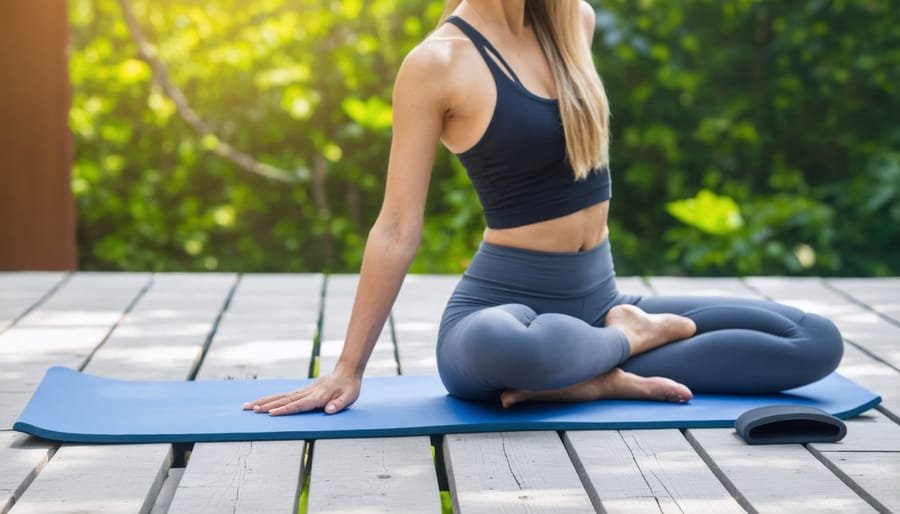
What’s Actually in Your Current Mat
Most conventional yoga mats in Australian studios are made from PVC (polyvinyl chloride), a petroleum-based plastic that’s essentially the same material used in plumbing pipes. While durable, PVC production releases harmful dioxins into the environment and often contains phthalates—chemical softeners that help make the mat flexible but can disrupt hormones and impact your health and well-being.
You might also find lead, cadmium, or other heavy metals used as stabilisers in these mats, particularly in cheaper options. These substances can leach out over time, especially when mats are exposed to Australian sun and heat during outdoor practice. The “new mat smell” many of us recognise? That’s actually volatile organic compounds (VOCs) off-gassing from the material.
When these mats eventually break down—which can take centuries—they release microplastics into our environment. Understanding what’s in your current mat isn’t about judgment; it’s about making informed choices that benefit both your practice and our planet.
The Environmental Cost of Synthetic Mats
Every year, Australians send approximately 1.8 million tonnes of plastic to landfill, and conventional yoga mats contribute significantly to this growing problem. Made primarily from PVC (polyvinyl chloride), these synthetic mats can take up to 1,000 years to decompose, leaching toxic chemicals into our soil and waterways as they break down.
When you practice outdoors on synthetic mats—whether at Bondi Beach or your local park—the friction against sand, grass, and rough surfaces causes microplastic shedding. These tiny particles wash into our stormwater systems and ultimately reach the ocean, where they harm marine life along our precious coastline.
The environmental impact doesn’t stop at disposal. Manufacturing PVC mats generates substantial carbon emissions, with the production process releasing harmful dioxins and requiring petroleum-based resources. Australian waste data reveals that less than 1% of yoga mats are recycled, meaning nearly all end up in landfill.
The good news? By choosing eco-friendly alternatives, you’re joining a growing community of Australians making conscious decisions that protect our unique environment. Your mat choice truly matters—not just for your practice, but for the health of our shared outdoor spaces.
What Makes a Yoga Mat Truly Eco-Friendly
Sustainable Materials That Actually Work
Making the switch to an eco-friendly yoga mat doesn’t mean compromising on performance—today’s sustainable materials actually deliver exceptional grip, durability, and comfort for outdoor practice across Australia’s diverse climates.
**Natural rubber** stands out as a champion performer, sourced from rubber trees through a renewable tapping process. It provides excellent cushioning and slip resistance, even when practising on coastal rocks or in humid conditions. Look for FSC-certified rubber to ensure responsible forest management.
**Cork** has become incredibly popular in Australian yoga communities, and for good reason. Harvested from the bark of cork oak trees without harming them, this naturally antimicrobial material actually improves grip when slightly damp—perfect for sweaty sun salutations in Brisbane’s summer heat. Cork surfaces also resist bacteria growth, essential for outdoor environments.
**Jute and organic cotton** offer lightweight, breathable options ideal for travellers and beach yogis. While they provide less cushioning than rubber, these plant-based fibres are fully biodegradable and often come from regenerative farming practices that actually improve soil health.
**TPE (Thermoplastic Elastomer)** represents a middle ground—while synthetic, it’s recyclable, free from toxic PVC and latex, and performs reliably in varied weather conditions. Many Australian manufacturers now use TPE as a transition material for those not quite ready for natural options.
Each material brings unique strengths to your practice, so consider where you’ll use your mat most and what matters most to you environmentally.
Certifications Worth Looking For
When you’re investing in an eco-friendly yoga mat, certifications help separate genuine sustainable products from greenwashing. Here’s what to look for on your next purchase.
**OEKO-TEX Standard 100** is one of the most reliable certifications you’ll encounter. This internationally recognised standard tests for harmful substances, ensuring your mat doesn’t contain toxic chemicals that could leach onto your skin during practice. For Australian yogis practicing outdoors in the heat, this certification offers peace of mind that your mat won’t release nasties as temperatures rise.
**FSC (Forest Stewardship Council)** certification matters particularly for cork or natural rubber mats. It guarantees the materials come from responsibly managed forests that protect biodiversity and workers’ rights—values that resonate strongly within our local sustainability community.
**Global Organic Textile Standard (GOTS)** applies to mats made with organic cotton or fabric components. It ensures organic status throughout the supply chain, from harvesting through manufacturing.
Look also for **Cradle to Cradle Certified** products, which assess materials for human and environmental health, and recyclability. While these certifications might add to the price tag, they’re genuine indicators that manufacturers have invested in sustainable practices—not just marketing spin. Australian retailers increasingly stock certified options, making it easier to vote with your wallet for genuine environmental responsibility.
Best Eco-Friendly Mat Materials for Australian Outdoor Conditions
Natural Rubber: The All-Rounder
Natural rubber, tapped from Hevea brasiliensis trees, stands as one of yoga’s most trusted mat materials—and for good reason. This renewable resource bounces back beautifully from intense sun salutations and humid Brisbane mornings alike, maintaining its cushioning properties where synthetic materials might break down. The naturally tacky surface grips brilliantly whether you’re practicing on coastal boardwalks or in your backyard, adapting to both dry and slightly damp conditions that Australian outdoor enthusiasts regularly encounter.
What makes natural rubber particularly compelling for our community is its biodegradability—when your mat’s journey ends, it returns to earth rather than lingering in landfills for centuries. Many Australian yoga studios are already making the switch, creating a ripple effect that’s reducing our collective environmental footprint.
However, it’s essential to note that natural rubber isn’t suitable for everyone. Those with latex allergies need to explore alternative materials like cork or jute. If you’re unsure about sensitivities, test a small area of skin against the material before committing to full practice sessions. This small consideration ensures your sustainable choice supports both planetary and personal wellbeing.
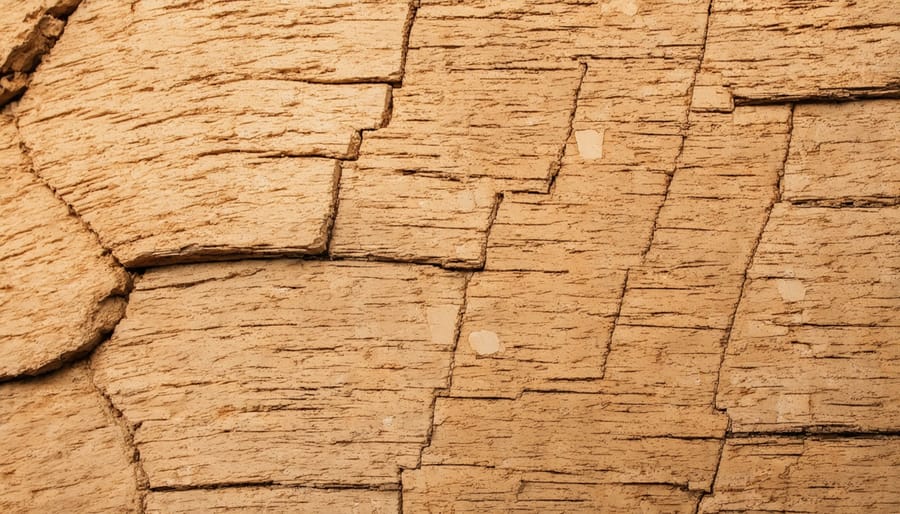
Cork: Nature’s Grip Master
Cork yoga mats have become favourites among Australian yogis who practice outdoors, and for good reason. Harvested from the bark of cork oak trees without harming them—the bark regenerates every nine years—cork represents a truly renewable resource that ticks all the sustainability boxes.
What makes cork exceptional for our conditions is its natural antimicrobial properties. Unlike synthetic materials that can harbour bacteria in humid environments, cork naturally resists mould and odour-causing microbes, perfect for sweaty beach sessions along our coastline. When temperatures soar during those scorching Australian summers, cork actually improves its grip as it absorbs moisture, transforming perspiration into better traction rather than a slippery hazard.
Beach yogis particularly appreciate cork’s water resistance. A quick wipe-down removes sand and saltwater without compromising the mat’s integrity, making post-practice care refreshingly simple. The material’s natural texture provides excellent grip on both sides, keeping you stable whether you’re flowing through sun salutations at Bondi or practising warrior poses in your local park.
Beyond performance, cork production supports sustainable forestry in Mediterranean regions, with cork oak forests absorbing significant carbon dioxide. When your mat eventually reaches end-of-life, cork biodegrades naturally, completing a truly circular story that aligns with conscious living values our Australian community increasingly embraces.
Jute and Natural Fibers: The Budget-Friendly Option
Jute mats offer an accessible entry point into sustainable yoga practice, typically priced between $20-40—significantly lower than premium eco-options. These naturally breathable mats, woven from plant fibres grown across Asia, provide excellent grip when dry and work beautifully for gentle practices like restorative yoga or meditation.
Australian yogis appreciate jute’s durability and biodegradability, with many Sydney and Melbourne studios now offering them in community classes. The rough texture might feel unfamiliar initially, but it provides natural traction without synthetic coatings. However, outdoor enthusiasts should note some limitations: jute absorbs moisture readily, making it less ideal for sweaty hot yoga sessions or dewy morning beach practices along our coastline.
For backyard yoga or covered verandah sessions, jute performs wonderfully. The fibres naturally resist odours and can handle Australia’s varied climate when kept dry. Just remember to store your mat indoors after outdoor use, as prolonged sun exposure can cause fibres to break down prematurely.
Community tip: Several Australian yoga groups have successfully extended jute mat lifespan by using towels during more vigorous outdoor sessions, proving that sustainable choices needn’t compromise your practice or budget.
Choosing Your Perfect Eco Mat for Outdoor Fitness
Match Your Mat to Your Practice Location
Australia’s diverse landscapes call for different mat considerations depending on where you roll out your practice. At the beach, salt air and sand can be harsh on materials, so opt for closed-cell mats like natural rubber or cork that won’t absorb moisture and can be easily wiped clean after your session. Many yogis along the Gold Coast and Perth’s coastline swear by cork mats for their resistance to salt spray and quick-drying properties.
For park practices in Melbourne’s botanical gardens or Sydney’s harbour-side green spaces, consider a mat with good ground grip on the bottom—natural rubber excels here. These areas often have uneven surfaces, so a slightly thicker mat (around 5-6mm) provides extra cushioning without compromising stability.
Bushland settings in the Blue Mountains or Tasmania’s wilderness areas demand durability. Choose mats with reinforced edges and natural antimicrobial properties like jute-rubber blends, which resist the moisture and organic matter you’ll encounter on forest floors.
In urban outdoor spaces like Brisbane’s South Bank or Adelaide’s city squares, where you’re practicing on concrete or paving, prioritise cushioning and portability. A travel-friendly TPE mat or lightweight natural rubber option works brilliantly, especially when you’re carrying it through the city.
Local yoga communities often share insights about what works best in your specific region—don’t hesitate to ask instructors or fellow practitioners about their favourites for your practice location.
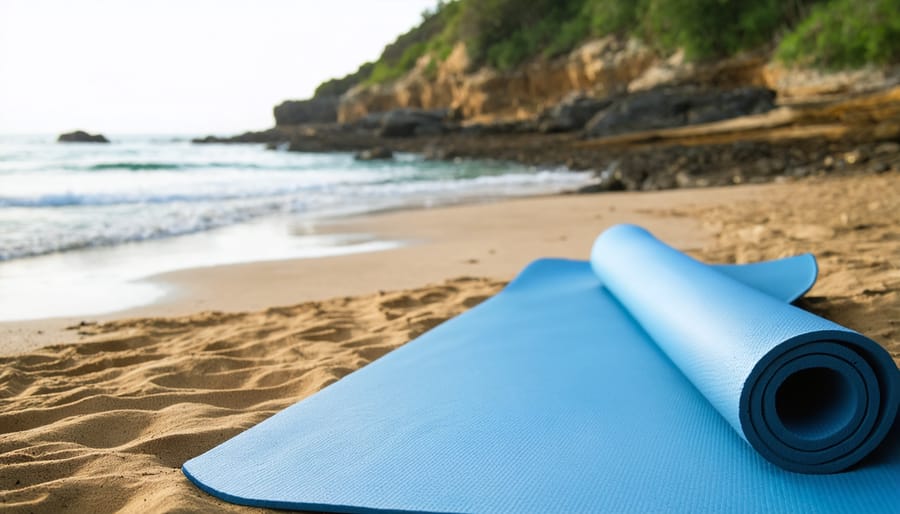
Performance vs. Sustainability Trade-offs
Let’s be honest—eco-friendly yoga mats haven’t always matched the grip and cushioning of conventional PVC options. But here’s the encouraging news: the gap is closing fast, and understanding the trade-offs helps you choose what truly matters for your practice.
Traditional PVC mats excel at grip and durability, often lasting years with minimal care. However, they’re made from petroleum-based plastics that release toxins during production and won’t break down in landfill. Eco-friendly alternatives like natural rubber, cork, or jute may require slightly more maintenance and can be pricier upfront, but they offer genuine environmental benefits without major performance compromises.
For outdoor yoga in Australian conditions, natural rubber mats provide excellent grip even when damp—perfect for beach sessions or humid Queensland mornings. Cork surfaces naturally resist bacteria and perform beautifully in varied weather, though they may feel firmer initially. TPE (thermoplastic elastomer) offers a middle ground: synthetic but recyclable, with performance close to PVC.
The real sustainability win comes from choosing quality over quantity. A well-made eco mat costing $120-180 that lasts five years beats replacing cheaper conventional mats every 18 months. Australian brands are now producing mats specifically designed for our climate—intense UV, humidity, and outdoor use—proving you needn’t sacrifice performance for principles.
Consider what matters most: immediate grip or long-term environmental impact? Most practitioners find that after a brief adjustment period, natural materials feel just as supportive. Your choice supports Australian businesses pioneering genuine sustainability, creating community momentum toward better options for everyone.
Australian Brands and Suppliers Leading the Green Movement
Australia’s sustainable yoga community is thriving, with homegrown brands leading the charge toward planet-friendly practice. By choosing locally-made mats, you’re not just supporting local businesses—you’re actively reducing carbon emissions from international shipping and investing in companies that understand our unique climate needs.
**Manduka Australia** offers their acclaimed eKO and eKO Lite ranges, crafted from natural tree rubber without toxic plastics. These mats perform beautifully in our hot, humid summers while standing up to outdoor conditions. Their local distribution means faster delivery and a smaller carbon footprint for your purchase.
**Liforme** has established a strong Australian presence, delivering their innovative eco-polyurethane mats with biodegradable properties. Their signature alignment markers help yogis of all levels while their closed-loop manufacturing process minimises waste—something particularly important when practising our values on and off the mat.
For budget-conscious practitioners, **Kmart Australia** now stocks surprisingly decent cork yoga mats at accessible price points, proving sustainability doesn’t require a premium investment. Meanwhile, **The Yoga Collective** in Melbourne curates carefully vetted eco-friendly brands and hosts monthly community gatherings where practitioners can test mats before purchasing.
Brisbane’s **Yoga Hive** goes beyond retail by running a mat recycling program, collecting worn-out mats and repurposing them into playground surfaces and underlay materials. They’ve diverted over 500 kilograms from landfill since launching in 2022.
Sydney-based **Eco Yoga Store** partners with local yoga studios to offer group purchasing programs, reducing packaging waste through bulk orders while making premium eco-mats more affordable through community buying power.
These Australian suppliers understand our outdoor yoga culture—from beachside sunrise sessions to park practices under eucalyptus trees. They’re not just selling products; they’re building a movement where every downward dog contributes to a healthier planet. When you choose Australian eco-friendly brands, you’re joining a community committed to treading more lightly on the earth we practice upon.
Caring for Your Eco Mat to Maximize Its Lifespan
Your eco-friendly yoga mat is an investment in both your practice and the planet, so caring for it properly ensures you’ll enjoy years of sustainable use. Natural materials like natural rubber, cork, and jute require gentler attention than synthetic mats, but with the right approach, they’ll actually become more comfortable over time.
After each outdoor session, especially under Australia’s intense sun, give your mat a quick wipe-down with a solution of filtered water and a few drops of tea tree oil or eucalyptus oil—both naturally antimicrobial and locally sourced. Avoid harsh chemical cleaners that can break down natural fibres and defeat the purpose of choosing eco-friendly materials in the first place. For deeper cleans, mix one part white vinegar with four parts water, spray lightly, and wipe with a soft cloth.
Storage is crucial in our climate. Always dry your mat completely before rolling it up—moisture trapped in natural materials can lead to mildew, particularly in humid coastal areas. Store your mat in a cool, shaded spot away from direct sunlight, as UV exposure degrades natural rubber and can cause cork to dry out and crack. A breathable cotton bag works better than plastic storage for maintaining material integrity.
If you’re regularly practising on beaches or in parks, consider bringing a lightweight blanket to place underneath your mat. This creates a protective barrier against abrasive surfaces and excess moisture from dew-covered grass, significantly extending your mat’s lifespan.
The beautiful thing about caring for natural materials is that you’re participating in a slower, more mindful approach to consumption—one that our growing community of Australian eco-warriors is embracing wholeheartedly. When you eventually need to retire your mat, many can be composted or repurposed, completing the sustainable cycle you started when you first chose eco-friendly.
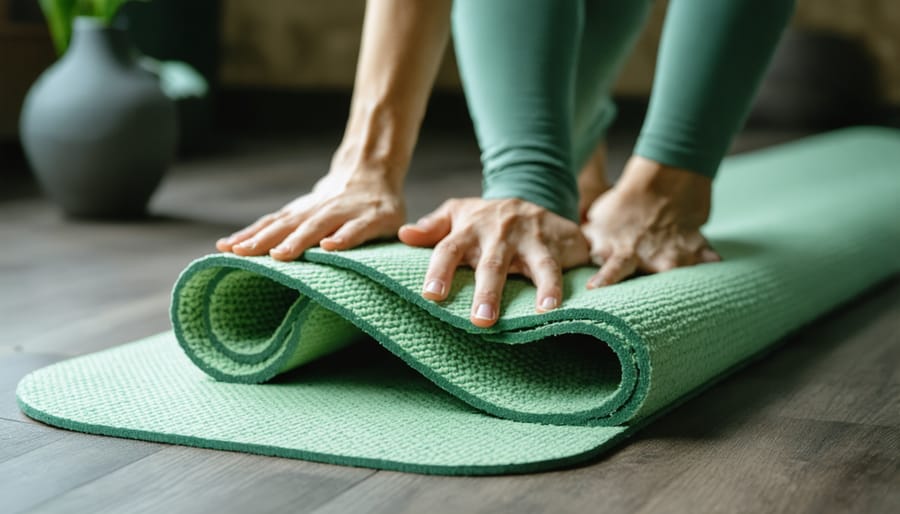
What to Do When Your Mat Reaches End of Life
When your beloved yoga mat has stretched, thinned, or lost its grip after years of sun salutations in your local park, don’t let it become landfill. There are several mindful ways to honour its service while staying true to your environmental values.
For truly biodegradable mats made from natural rubber or cork, home composting is an option if you have the space. Cut the mat into smaller pieces to speed decomposition—these materials typically break down within 1-3 years in the right conditions. If you’re unsure about your mat’s composition, check with the manufacturer first, as some “natural” mats contain synthetic binders that won’t compost.
Get creative with repurposing before saying goodbye. Old yoga mats make excellent kneeling pads for gardening, protective liners for car boots, or grippy drawer and shelf liners. Local community gardens and schools often welcome donations for craft projects or outdoor activities. Several Australian yogis have even transformed their mats into pet beds or cushioning for camping gear.
For mats that can’t be composted or reused, research local recycling options. Some councils accept rubber mats in their recycling streams, while programs like TerraCycle partner with certain yoga studios across Australia to collect and recycle activewear and fitness equipment. Check if your local yoga studio participates in a mat take-back scheme—many environmentally conscious businesses are embracing these circular economy initiatives.
By thoughtfully managing your mat’s end of life, you’re completing the sustainability cycle and inspiring others in your practice community to do the same.
Your choice of yoga mat ripples far beyond your own practice. When you invest in an eco-friendly mat, you’re casting a vote for healthier manufacturing processes, reduced plastic pollution, and a more sustainable fitness industry. It’s a small decision with genuine impact.
Right across Australia, community yoga groups are leading the way in sustainable practice. From Sydney’s outdoor sunrise sessions to Melbourne’s park-based classes, instructors are embracing natural mats and encouraging students to make mindful choices. Brisbane’s Eco Yoga Collective runs mat-swap programs, giving pre-loved mats new life while reducing waste. These grassroots movements show how individual choices build collective change.
Ready to make the switch? Start by choosing a mat that meets your practice needs while honouring the planet. Share your eco-fitness journey with your yoga community—your experience might inspire someone else to make a sustainable choice. Whether you’re connecting with nature through outdoor practice or flowing in your local studio, your eco-friendly mat becomes part of a larger story of environmental care and conscious living that’s growing stronger across Australia every day.