
When Melbourne’s Moreland Council launched their solar bulk-buy program in 2013, they discovered something remarkable: households were three times more likely to install panels when the program stacked council rebates with state incentives and grouped installations by suburb. This wasn’t luck. It was incentive-compatible design at work.
Incentive-compatible systems align what’s good for individuals with what’s good for the community. In sustainability, this means creating programs where the easiest choice for households and businesses is also the greenest choice. When someone can save money, gain social recognition, and help the environment simultaneously, participation soars. When these benefits conflict or require excessive effort, even well-meaning people abandon good intentions.
Australian communities face a persistent challenge: we launch environmental programs with enthusiasm, yet many fizzle within months. The problem rarely lies with people’s values. Most Australians want to reduce emissions and protect our unique ecosystems. The breakdown occurs when program design fights against natural human decision-making. A rebate that requires months of paperwork competes with busy lives. A subsidy that arrives after upfront costs have strained budgets helps those who least need it. Isolated initiatives that demand complete behavior changes overwhelm people already juggling work, family, and rising costs.
Understanding incentive compatibility transforms how we approach sustainability initiatives. It explains why some programs achieve waiting lists while others struggle for participants. More importantly, it provides a framework for designing interventions that work with human nature rather than against it. When combined with strategic upgrade sequencing, where improvements build logically on each other, these principles create momentum that carries entire communities toward meaningful environmental action.
What Makes an Incentive Actually Work?
The Psychology Behind Environmental Action
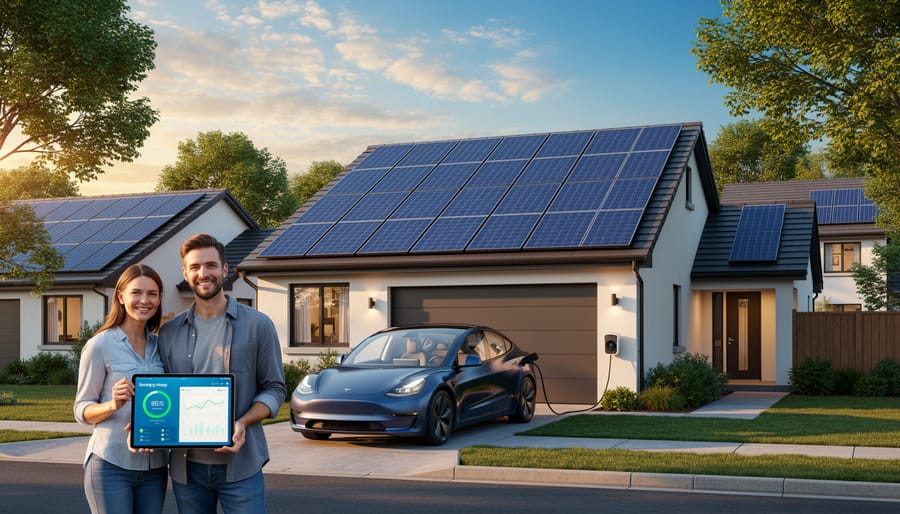
Understanding why people choose (or don’t choose) sustainable actions is crucial for designing programs that actually work. The truth is, most of us want to do the right thing for the environment, but our daily decisions are shaped by powerful psychological forces that often work against long-term thinking.
Convenience plays an enormous role. We’re wired to take the path of least resistance, which is why single-use plastics became so prevalent in the first place. When sustainable options require extra effort, research, or complicated steps, even well-intentioned people struggle to follow through consistently.
Cost creates another significant barrier, particularly upfront expenses. While solar panels or energy-efficient appliances save money over time, the initial investment can feel overwhelming. This is where programs like heat pump rebates become game-changers, removing the financial hurdle that stops many Australians from upgrading.
Social proof matters more than we realize. When neighbours install solar panels or community groups champion composting, others follow. We look to our communities to validate what’s normal and acceptable, making collective action particularly powerful in Australian suburbs and towns.
Perhaps the biggest psychological challenge is our preference for immediate rewards over delayed benefits. Climate action requires sacrifices now for advantages that might not materialize for years or decades. Effective programs address this by creating immediate wins, whether through instant rebates, visible community recognition, or tangible savings on the next power bill, making the sustainable choice feel rewarding right away.
When Green Initiatives Backfire
Not all green initiatives succeed, and understanding why some backfire offers valuable lessons for designing better programs. Across Australian communities, we’ve witnessed well-meaning environmental efforts stumble because they overlooked a crucial principle: they weren’t incentive-compatible with how people actually live.
Take the case of several Sydney councils that introduced complex multi-stream recycling systems requiring residents to sort waste into five different bins with detailed rules about contamination. The result? Recycling rates actually dropped. Confused residents simply defaulted to general waste rather than risk getting it wrong. The program demanded too much cognitive effort for busy households juggling work, family, and daily life.
In regional Queensland, a solar bulk-buy scheme fell flat when organisers required residents to attend multiple evening information sessions before signing up. Working families and shift workers couldn’t commit to the schedule, despite genuine interest in renewable energy. The barrier to entry was simply too high.
Similarly, a Melbourne community garden project struggled when plot allocation required lengthy application forms and mandatory weekend maintenance rosters. The administrative burden deterred the very time-poor families who would have benefited most from access to fresh, local produce.
These examples share a common thread: they assumed people would adapt their behaviour to suit the program’s design, rather than shaping programs around people’s existing constraints and motivations. When environmental initiatives create friction, require excessive time, or ignore practical realities, even the most enthusiastic participants will abandon them. The lesson? Sustainability programs must work with human nature, not against it.
Incentive Stacking: Multiplying Your Impact
Financial + Social: The Power Combo
Here’s the thing about human motivation: we’re complex creatures who respond to more than just dollar signs. While financial incentives matter, research shows that combining monetary rewards with social recognition creates a powerful multiplier effect that drives lasting behaviour change.
Think about your local neighbourhood solar competition. Yes, the government rebate reduces upfront costs, making solar panels more affordable. But when your street forms a bulk-buying group and tracks progress together, something magical happens. Suddenly, you’re not just saving money on electricity bills; you’re part of a community movement. Neighbours chat over fences about kilowatt-hours generated, share tips about optimal panel placement, and celebrate each new installation. The competition creates friendly rivalry, the rebate removes financial barriers, and the social connection keeps everyone engaged long after the panels are installed.
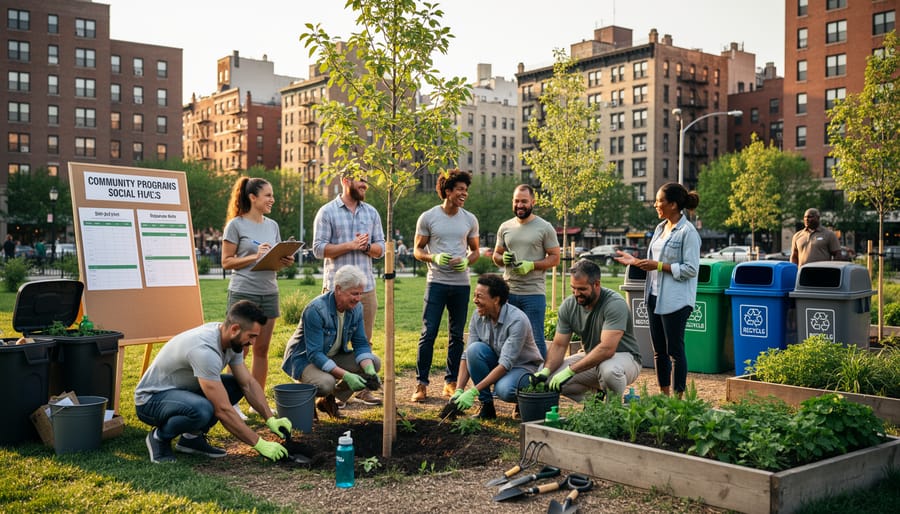
Community composting programs demonstrate this combo brilliantly. Members save money on waste disposal and receive free compost for their gardens (the financial hook), but they also join regular working bees where friendships form, knowledge gets shared, and everyone feels part of something bigger (the social glue). The Marrickville Food Waste Collective in Sydney has shown how these dual incentives create participation rates that purely financial programs rarely achieve.
This power combo works because it addresses both our practical needs and our fundamental desire to belong. When your sustainable choice makes financial sense and earns respect from your community, sticking with it becomes almost effortless.
Making It Easy While Making It Pay
The real magic happens when doing the right thing becomes the easiest thing. Across Australia, the most successful sustainable programs stack convenience with cost savings, creating what behaviour experts call a “double incentive.”
Take kerbside recycling. Melbourne households that embraced the four-bin system didn’t just reduce landfill by 30 percent—they also saw general waste collection fees drop. The convenient colour-coded bins made sorting simple, while the financial reward sealed the deal. Nobody needs to be an environmental hero when the easier path also saves money.
Water-efficient fixtures demonstrate this principle beautifully. A Brisbane community housing project installed dual-flush toilets and low-flow showerheads that required less maintenance than old fittings. Residents enjoyed the convenience of fewer repairs while quarterly water bills dropped by an average of $180. The upgrade paid for itself within eighteen months, but the ongoing ease of use kept satisfaction high long after.
This stacking effect explains why solar panels have taken off in Australian suburbs. Yes, they slash electricity costs, but modern systems also require minimal upkeep and many come with monitoring apps that make energy management genuinely interesting rather than tedious. When sustainable choices offer both practical advantages and financial returns, adoption becomes inevitable rather than aspirational.
Australian Success Stories in Incentive Stacking
Across Australia, forward-thinking councils and organizations are proving that stacking incentives creates powerful momentum for environmental action. Their success stories offer blueprints we can all learn from.
The City of Sydney’s Better Buildings Partnership exemplifies this approach brilliantly. Commercial building owners who commit to energy efficiency upgrades receive technical support, access to bulk-buy discounts on equipment, and public recognition through sustainability ratings. This triple-layer incentive has helped retrofit over 130 buildings, slashing energy consumption by up to 38 percent while saving businesses millions in operational costs.
In Victoria, the Darebin Council combined state rebates with local incentives to accelerate residential solar uptake. Households received not only government rebates but also council-subsidized energy audits and interest-free loans for smart home energy upgrades. The result was a 340 percent increase in solar installations within two years, transforming entire neighborhoods into renewable energy hubs.
Community groups are getting creative too. The Mullumbimby Community Gardens in northern New South Wales stacked social incentives with practical ones, offering plot-holders discounted produce, skill-sharing workshops, and public celebration of their waste diversion achievements. This approach reduced household food waste by 60 percent among participants while strengthening community bonds.
These examples share common threads: they make the right choice the easy choice, layer multiple benefits, and celebrate progress publicly. When incentives align with people’s values and practical needs simultaneously, transformation happens naturally.
Upgrade Sequencing: Building Momentum That Lasts
Start Where People Already Are
The secret to successful sustainability transformations isn’t starting with the most impactful change—it’s starting with the easiest one. Think of it like learning to swim: you don’t begin in the deep end, no matter how much faster you’d reach the other side from there.
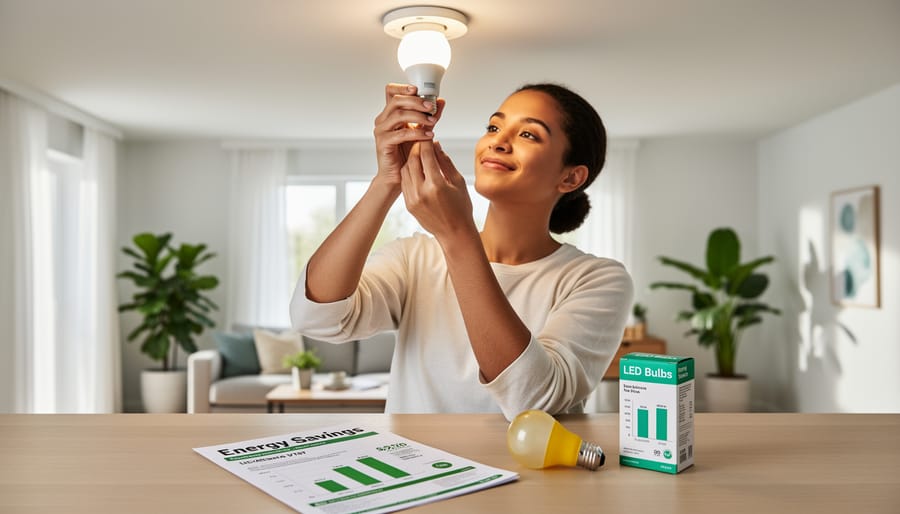
When designing upgrade sequences, the first step must meet people exactly where they are. That means removing barriers, not adding them. A household intimidated by solar panel costs and installation complexity will feel empowered switching to LED bulbs that cost $5 and take 30 seconds to install. The immediate benefit? Lower electricity bills within the first month and a tangible win that builds confidence.
Consider composting as another prime example. Before asking someone to redesign their entire greywater system—which requires permits, plumbing knowledge, and significant expense—start with a simple kitchen caddy for food scraps. Melbourne’s community composting hubs have proven this approach works brilliantly. Residents begin with low-barrier energy upgrades and small behavior changes, then naturally progress to more complex systems once they’ve experienced success.
The magic happens when people realize: “That wasn’t scary at all, and I’m already making a difference.” This positive reinforcement creates momentum. Perth’s water-saving campaigns demonstrated this beautifully—starting with free shower timers before introducing rainwater harvesting systems. When the first step feels achievable and delivers quick wins, people stay engaged rather than feeling overwhelmed and giving up entirely.
Creating the Stepping Stone Effect
Think of sustainable upgrades as stepping stones across a creek—each one needs to be positioned where the previous stone naturally leads you. When designed thoughtfully, each improvement creates momentum for the next, making your sustainability journey feel less like a series of disconnected projects and more like a cohesive transformation.
The magic happens when upgrades complement each other technically and financially. Installing a rainwater tank, for instance, doesn’t just reduce your water bills. It suddenly makes drip irrigation systems far more attractive because you’ve already got the water source sorted—you’re simply optimizing how you use it. The combined savings make the second investment easier to justify, and the environmental impact multiplies.
Similarly, improving your home’s insulation might seem like a standalone project, but it transforms the economics of your next move. Once your home retains heat better, that heat pump you’ve been eyeing becomes both more efficient and more affordable to run. You’ll need a smaller capacity system, and it won’t work as hard to maintain comfortable temperatures. The insulation upgrade literally paves the way for the next step.
This stepping stone effect works brilliantly in community settings too. A neighbourhood solar bulk-buy program often sparks interest in battery storage, which then leads conversations toward electric vehicles and shared charging infrastructure. Each upgrade reveals new possibilities and builds confidence for the next decision.
The key is recognizing these natural progressions when designing incentive programs, ensuring rebates and support align with how people actually move through their sustainability journey.
Avoiding the ‘Too Much Too Soon’ Trap
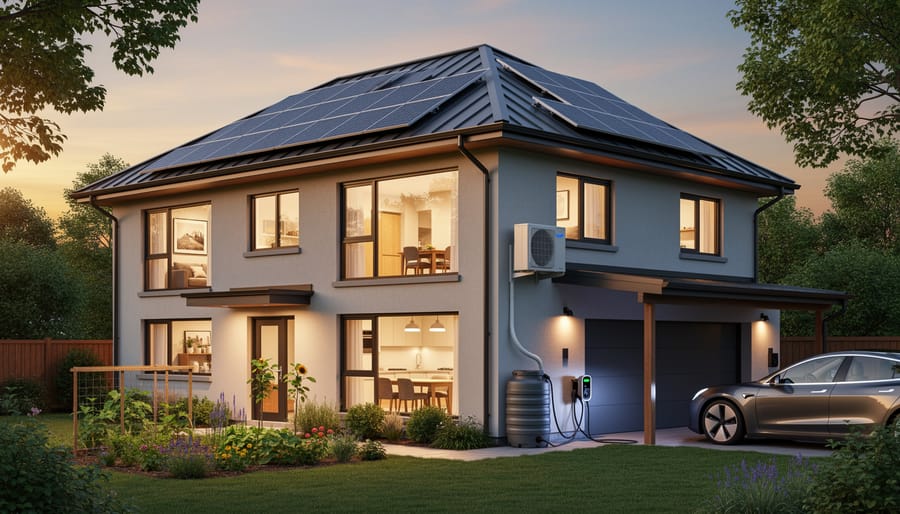
We’ve all seen it happen. A household gets excited about going green and decides to do everything at once—rooftop solar, home battery, electric vehicle, and maybe even a heat pump hot water system. Six months later, they’re drowning in complexity, haven’t recouped any investment, and are warning their neighbours to avoid the same mistakes.
This is the classic “too much too soon” trap, and it’s entirely avoidable with thoughtful sequencing.
When Melbourne’s Moreland Council reviewed their residential sustainability program in 2019, they discovered something telling: households that adopted technologies sequentially had an 87% satisfaction rate and were twice as likely to recommend upgrades to friends. Those who tried everything simultaneously? Just 34% were satisfied.
The problem isn’t ambition—it’s incentive timing. Installing solar panels first lets you see immediate bill reductions within weeks. That positive reinforcement creates momentum. Once you’ve adjusted to monitoring your generation and optimising daytime energy use, adding a battery makes intuitive sense. Then, when you’re comfortable with both, an EV becomes the logical next step, especially with smart charging technology to maximise your solar investment.
Each stage delivers its own reward before asking for the next commitment. Compare this to the all-at-once approach: massive upfront costs, competing priorities for installer coordination, no early wins to maintain enthusiasm, and overwhelming complexity in understanding what’s actually saving you money.
Successful Australian programs now embrace staged pathways, recognising that sustainable transformation is a journey, not a single transaction.
Designing Incentive-Compatible Programs in Your Community
The Compatibility Checklist
Before launching your next sustainability initiative, run it through this practical compatibility checklist. These questions will help you identify potential roadblocks before they derail participation.
Start by asking: Does this incentive reduce friction or create new barriers? The most effective programs make sustainable choices easier, not harder. Consider Melbourne’s community battery rollout – success came from eliminating the upfront cost and installation hassle for households. If your incentive requires complex paperwork, multiple approvals, or significant lifestyle changes, you’ll lose people before they start.
Next, honestly assess whether the benefits genuinely outweigh the costs from your participant’s perspective. This isn’t just about money. Time, effort, and social capital all factor into the equation. A rebate program that requires three months of waiting and endless documentation might offer $200, but many Australians will decide their time is worth more than the eventual payout.
Timing matters enormously. Are you offering solar incentives right when electricity bills arrive? Promoting composting bins at the height of summer when bins smell worse? Align your incentive with natural decision-making moments – like when someone’s moving house, renovating, or already experiencing the problem your solution addresses.
Finally, scan for competing incentives working against you. Perhaps council rates penalise water-saving gardens, or workplace parking subsidies undermine public transport campaigns. These hidden conflicts quietly sabotage otherwise brilliant programs. Identifying them early lets you adjust your approach or advocate for complementary policy changes that strengthen overall impact.
Mapping Your Community’s Starting Point
Before designing any incentive program, you need to understand your community’s current reality. Start by having genuine conversations with residents, local businesses, and community groups. What sustainable practices are already happening, even informally? Perhaps neighbours are already sharing tools, or a few cafes have switched to compostable packaging.
Identify the barriers preventing wider adoption. Is it cost, lack of information, inconvenience, or simply not knowing where to start? A community survey or casual coffee catchup can reveal surprising insights. You might discover that people want to install solar panels but find the process overwhelming, or they’d compost if collection bins were more accessible.
Pay attention to existing motivations too. Are people driven by cost savings, environmental values, or community pride? Understanding these drivers helps you design incentives that resonate authentically rather than falling flat.
Map out the low-hanging fruit—the smallest changes that would make the biggest difference for your specific community. Perhaps it’s providing reusable coffee cups at local markets or creating a rideshare board at the community centre. These quick wins build momentum and trust, making people more receptive to bigger changes later. Remember, every thriving sustainability initiative started by meeting people exactly where they were, not where organisers wished they’d be.
Building Your Incentive Stack
The secret to successful sustainability programs isn’t choosing one perfect incentive—it’s layering multiple incentives that work together like a well-designed ecosystem.
Start with the foundation: financial incentives. Australian households can combine state rebates with federal grants, then add green finance options to cover remaining costs. For example, a Melbourne homeowner installing solar panels might stack a Victorian Solar Homes rebate with Small-scale Technology Certificates and a zero-interest loan, turning a daunting expense into an achievable goal.
Next, add social incentives. When the Sunshine Coast launched their community battery project, they didn’t just offer technical upgrades—they created neighbourhood energy champions who supported each other through the transition. Recognition matters. Showcasing local businesses that achieve sustainability milestones in council newsletters or community events creates positive peer pressure that money alone can’t buy.
Don’t overlook practical support. Bundling bulk-buying power amplifies financial savings while building community connections. The Adelaide Hills community solar program combined group purchasing discounts with installation training days, where neighbours learned together and shared experiences.
The magic happens when these layers interact. Financial incentives get people interested, social recognition keeps them engaged, and peer networks help them follow through. Design your incentive stack so each element reinforces the others, creating momentum that carries people from awareness to action and sustains their commitment long-term.
The beauty of incentive-compatible design lies in its fundamental respect for how people actually make decisions. Rather than fighting against human nature with guilt, blame, or unrealistic expectations, it harnesses our natural tendencies toward self-interest and channels them toward collective good. When we stack complementary incentives and sequence upgrades thoughtfully, we create momentum that builds on itself. Each small win makes the next step easier, more affordable, and more appealing.
Australia stands at a pivotal moment. We’re blessed with abundant sunshine, innovative spirit, and communities that genuinely care about leaving something better for future generations. By applying these principles in your home, business, or local council initiative, you’re not just making isolated improvements. You’re contributing to a cultural shift where sustainable choices become the obvious choices, where doing right by the environment also means doing right by your bank balance and quality of life.
Start small. Look at your current situation and ask: what’s the easiest, most immediately beneficial change I can make? Then consider what that first step unlocks. Perhaps it’s switching to a better energy tariff before installing solar, or improving insulation before upgrading your heating system. Share your journey with neighbours, business networks, or community groups. When people see real benefits flowing to real Australians, motivation spreads naturally.
The programs that succeed long-term aren’t those demanding sacrifice. They’re the ones making sustainable choices irresistible. That’s the power of working with human nature, and that’s how we build lasting change together.