
Disability and sustainability aren’t just compatible—they’re naturally aligned. When we design for accessibility, we often create solutions that benefit the planet. Ramps reduce energy-intensive elevator use. Sensory-friendly spaces minimize excessive lighting and noise. Proximity-based living reduces car dependency. Yet these connections remain largely invisible in mainstream environmental conversations, and the lived experiences of disabled Australians navigating eco-conscious choices rarely receive the platform they deserve.
The disability community has long practiced what environmentalists preach: reducing consumption, repairing rather than replacing, maximizing resource efficiency, and building resilient local networks. These aren’t just ethical choices—they’re often economic necessities that have cultivated deep expertise in creative problem-solving. A wheelchair user who meticulously plans efficient routes conserves fuel. Someone managing chronic illness who batch-cooks meals reduces food waste. Blind Australians who rely on tactile and auditory cues often develop lower-tech, lower-impact daily systems.
This intersection matters because genuine sustainability must include everyone. When we exclude 4.4 million Australians with disability from environmental movements, we lose invaluable perspectives and proven strategies. We also perpetuate the harmful assumption that eco-living requires physical ability, financial privilege, or specific lifestyle configurations.
The stories that follow showcase Australians with disability who are redefining what sustainable living looks like—not despite their disabilities, but often because of the innovative thinking their experiences demand. These aren’t stories of inspiration for inspiration’s sake. They’re practical blueprints for building a truly inclusive environmental movement, one that recognizes accessibility and sustainability as inseparable goals. Their solutions offer lessons we can all learn from, regardless of ability.
The Untold Connection Between Disability and Sustainable Living
Long before sustainability became a mainstream movement, people with disabilities were quietly pioneering many of its core principles. Not by choice initially, but through necessity—and what emerged was an innovative approach to living that holds valuable lessons for all Australians seeking a more sustainable future.
When mobility is limited, communities naturally become more localized. Many people with disabilities have built rich, connected lives within smaller radiuses, supporting local businesses and reducing carbon footprints long before “shop local” became a catchphrase. This pattern of neighbourhood-focused living creates resilient communities where corner stores thrive, neighbours know each other, and walking or wheeling to daily destinations becomes the norm rather than the exception.
The practice of adapting and reusing resources runs deep in disability communities. Assistive devices get modified, repurposed, and passed along through informal networks. Clothing is altered for easier dressing. Homes are redesigned to maximize function with minimal space. These aren’t just practical solutions—they’re textbook examples of circular economy principles in action, reducing waste and extending product lifecycles.
Energy efficiency and accessibility often walk hand in hand. Automatic doors that ease wheelchair access also prevent air conditioning loss. Well-designed lighting that supports people with vision impairment often uses LED technology. Homes modified for accessibility frequently incorporate energy-efficient features—ramps instead of stairs eliminate the need for stairlifts, open-plan layouts improve natural light flow, and reduced clutter means less stuff to manufacture, transport, and eventually discard.
Australian disability advocates have long understood that accessible design benefits everyone. The same curb cuts that allow wheelchair users to navigate footpaths make life easier for parents with prams, delivery workers, and cyclists. Universal design principles reduce the need for multiple specialized products, cutting down on manufacturing waste and resource consumption.
This intersection reveals an important truth: sustainability isn’t just about individual lifestyle choices—it’s about creating systems that work for diverse bodies and abilities. When we design communities and products with accessibility at the forefront, environmental benefits often follow naturally. The creativity, resilience, and resourcefulness that disability communities have cultivated offer a roadmap for sustainable living that’s both practical and inclusive, proving that the most sustainable solutions are those that genuinely work for everyone in our communities.
Real Stories from Australian Eco-Warriors with Disabilities
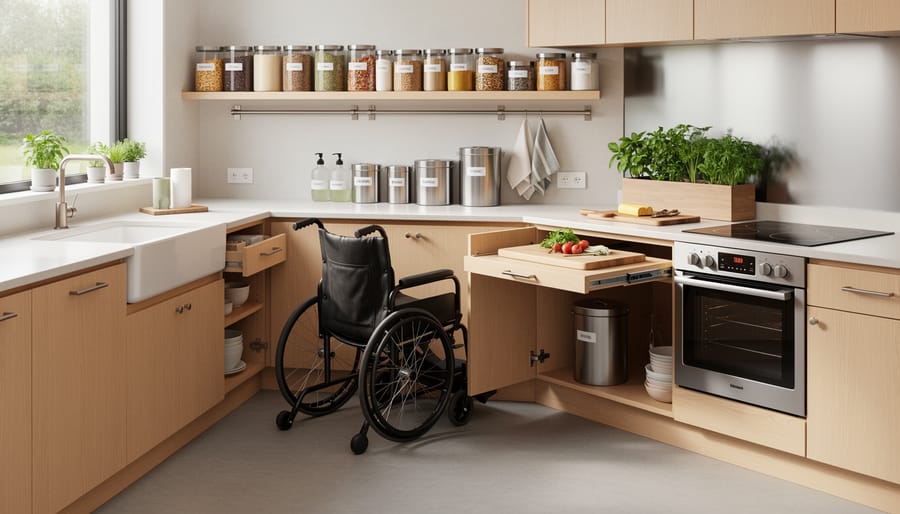
Emma’s Zero-Waste Kitchen: Adapting Sustainability for Mobility
Emma Chen’s Melbourne home tells a story of innovation born from necessity. After a spinal injury in her early thirties limited her mobility, Emma redesigned her relationship with sustainable living. Rather than abandoning her environmental values, she created solutions that worked with her wheelchair, proving that accessibility and sustainability aren’t just compatible—they’re natural allies.
Her kitchen transformation began with reimagining zero-waste kitchen systems at wheelchair height. Pull-down shelving holds glass jars filled with bulk-bought staples, eliminating both packaging waste and the need to reach or strain. A custom-built composting drawer sits beneath her counter, with a smooth-glide mechanism that opens with gentle pressure. The system includes a small worm farm that processes food scraps without requiring trips outside.
Emma’s storage solutions demonstrate brilliant practicality: magnetic spice containers on lowered rails, reusable produce bags hanging from accessible hooks, and beeswax wraps stored in slide-out drawers. Her bench-height dishwasher eliminates single-use items without creating physical barriers.
Through her local community group in Brunswick, Emma now shares these adaptations with others. She’s proven that sustainable living doesn’t require perfect mobility—it requires thoughtful design. Her kitchen serves as a living example that when we create accessible solutions, we often discover they’re more efficient and sustainable for everyone.
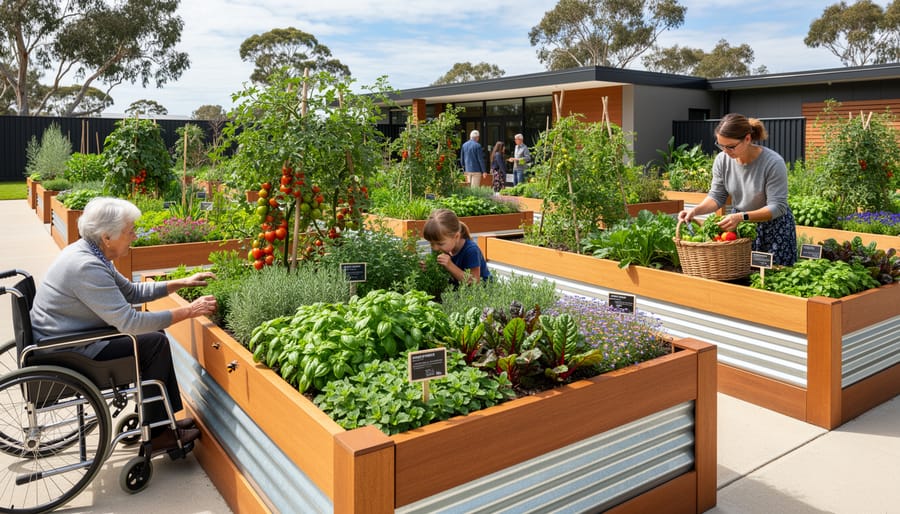
Michael’s Community Garden Revolution
When Michael Chen began losing his vision five years ago, his beloved backyard garden in Sydney’s Inner West felt suddenly out of reach. The uneven ground became a hazard, and distinguishing between plants and weeds grew increasingly difficult. Rather than abandoning his passion, Michael reimagined what a garden could be.
He constructed waist-high raised beds, eliminating the need to navigate ground-level obstacles or bend down to tend plants. Each bed incorporated different textures along the edges—smooth river stones, rough bark, and grooved timber—creating a tactile navigation system. Michael added fragrant herbs like rosemary and lavender as living markers, allowing him to identify sections through scent alone.
The unexpected benefit? His accessible design proved remarkably water-efficient. The raised beds, filled with moisture-retaining compost and mulch, reduced water usage by nearly 60 percent compared to traditional gardens. The concentrated growing areas meant precise watering with minimal waste, while the elevated position improved drainage and reduced evaporation.
Word spread through local disability networks, and Michael began running weekend workshops at his home. Community centers across Sydney took notice, with twelve facilities now featuring Michael’s sensory garden model. These spaces welcome everyone—wheelchair users appreciate the accessible height, children engage with the textured pathways, and elderly residents find the reduced bending easier on aging joints.
Michael’s innovation demonstrates how designing for accessibility often creates solutions that benefit entire communities while treading lighter on our environment.
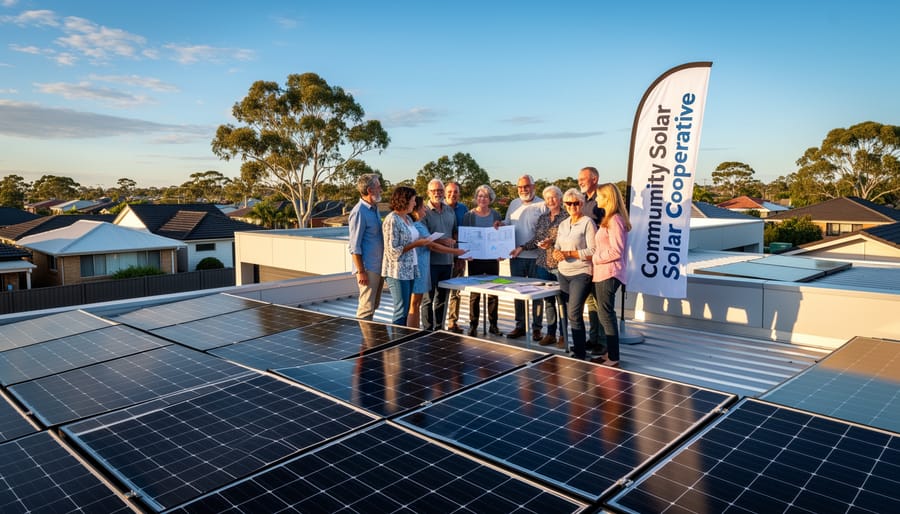
The Deaf Collective’s Silent Solar Solution
In Melbourne’s northern suburbs, the Deaf Collective has transformed how we think about both accessibility and sustainability. Founded in 2019 by a group of twelve Deaf Australians, this solar energy cooperative now serves over 150 households and has become a blueprint for inclusive community energy projects across the country.
The catalyst came when members struggled to access mainstream solar installation training programs that relied heavily on audio instruction. Rather than accepting this barrier, they created their own training system built entirely on visual communication. Using detailed video demonstrations with Australian Sign Language (Auslan) interpretation, visual diagrams, and hands-on mentorship, they developed what’s now recognised as one of the most effective technical training programs in the renewable energy sector.
What started as necessity became innovation. Their visual learning materials proved so clear and comprehensive that hearing apprentices began requesting access to the same resources. The cooperative discovered that visual-first communication naturally enhances safety protocols and technical precision, reducing installation errors by forty percent compared to industry averages.
The collective’s success extends beyond technical excellence. By centering Deaf perspectives in their business model, they’ve created employment pathways for Deaf Australians in the growing green economy and demonstrated how renewable energy solutions become more accessible when designed inclusively from the start. Their cooperative model now advises community energy projects nationwide, proving that disability-led innovation benefits everyone while building a more sustainable future.
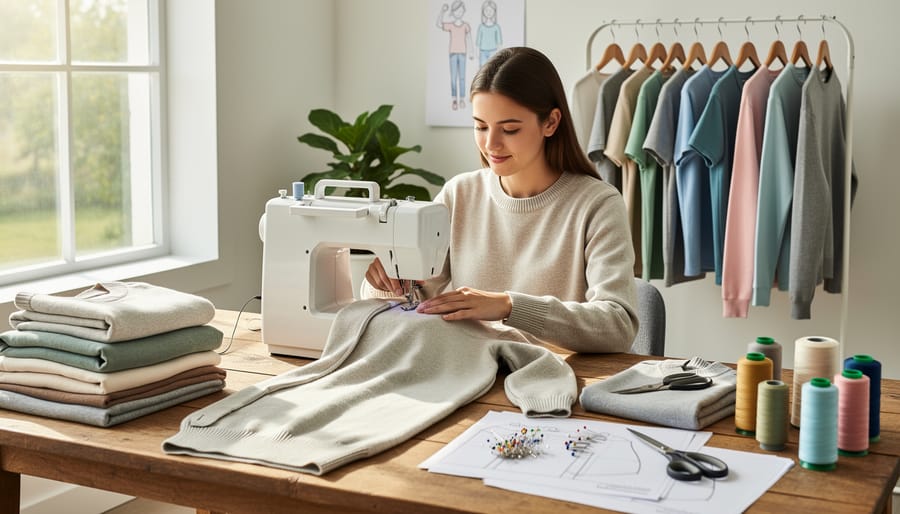
Sarah’s Neurodivergent Approach to Sustainable Fashion
Sarah Mitchell’s journey into sustainable fashion wasn’t planned, but it perfectly aligned her autistic sensory needs with environmental values. Growing up in Melbourne, Sarah found most clothing unbearably scratchy, with tags and seams causing daily distress. Rather than contributing to fast fashion’s waste cycle by constantly searching for tolerable garments, she taught herself to modify and repair clothes to suit her needs.
In 2019, Sarah launched Sensory Stitch, a clothing repair and upcycling service that celebrates neurodivergent perspectives on fashion. Her business removes irritating labels, softens seams using flat-felling techniques, and transforms stiff fabrics into sensory-friendly pieces through repeated washing and natural softening methods. What makes her approach unique is understanding that sensory sensitivity naturally extends garment life. When clothing feels comfortable, people wear it longer, reducing consumption and waste.
Sarah’s workshops have become community hubs across Melbourne’s inner suburbs, teaching basic repair skills while creating spaces where neurodivergent and neurotypical people learn together. She emphasizes that her detailed attention to texture and construction, traits often associated with autism, makes her exceptionally skilled at quality assessment and repair decisions.
Her work demonstrates how neurodivergent approaches can enhance sustainable fashion initiatives. Sarah proves that accommodating sensory needs doesn’t mean buying more; it means thoughtfully transforming what already exists. Her business has diverted over three tonnes of textiles from landfill while creating genuinely inclusive spaces where comfort and sustainability intersect naturally.
Practical Lessons: What Everyone Can Learn from Disability-Led Sustainability
Efficiency Through Thoughtful Design
When you design with disability in mind, something remarkable happens – you naturally create more sustainable solutions. This isn’t coincidental; it’s the result of thoughtful planning that disability-informed design demands.
Consider how accessibility modifications often eliminate unnecessary complexity. A well-planned accessible kitchen, for instance, might feature pull-out shelving that makes every item visible and reachable, reducing forgotten food waste hidden at the back of cupboards. This same principle of visibility and easy access, much like strategies for eliminating kitchen waste, means less duplication and fewer resources consumed.
Multi-functional design is another area where disability needs and environmental benefits align beautifully. Lever taps, essential for people with limited hand mobility, typically use less water than traditional taps because they’re easier to turn off completely. Motion-sensor lighting, helpful for wheelchair users, conserves energy by ensuring lights aren’t left burning unnecessarily.
Australian disability advocate James describes it perfectly: “When I redesigned my Melbourne home for wheelchair access, I discovered I’d also created a low-maintenance, low-waste space. Durable, easy-to-clean surfaces meant fewer cleaning products. Open-plan layouts reduced heating and cooling costs.”
This efficiency isn’t about doing without – it’s about doing better, for everyone.
Community-Centered Resource Sharing
Disability communities across Australia have long been pioneers in community-centered resource sharing, creating models that reduce waste while building stronger connections. These networks emerged from necessity but offer valuable lessons for anyone seeking more sustainable living.
In Melbourne’s northern suburbs, the Accessible Tool Library operates on a simple premise: why should twenty households own twenty drills when they could share one high-quality model? Founded by disability advocates, the library now serves the broader community, preventing countless redundant purchases. Members borrow everything from garden equipment to mobility aids, with accessible transport helping deliver items to those who need them.
Mutual aid networks have flourished particularly strongly in disability communities. Brisbane’s Share Circle coordinates meal sharing, equipment loans, and skill exchanges among neighbours. When someone needs occasional wheelchair access, another household loans their portable ramp. These practical arrangements keep resources circulating rather than gathering dust in individual homes.
The beauty of these systems lies in their recognition that we all have different abilities and needs at different times. By normalising asking for and offering help, disability communities have created resilient networks that reduce consumption while strengthening social bonds. These principles can guide any community toward more sustainable, connected living.
Adaptive Thinking for Climate Resilience
Australians living with disability have long been masters of adaptive thinking, constantly reimagining spaces, systems and solutions to work with their needs rather than against them. This same creative resilience offers powerful lessons for climate adaptation across our communities. When Brisbane resident Marcus modified his home for wheelchair accessibility, he discovered that wider doorways improved airflow, reducing his need for air conditioning during summer heatwaves. Similarly, Melbourne’s disability advocacy groups championing flexible work arrangements years ago laid the groundwork for reduced commuter emissions we’re now embracing more broadly. The problem-solving approach disability advocates bring—questioning assumptions, testing alternatives, and designing for diverse needs—mirrors exactly what we need for climate resilience. As we face increasing extreme weather events and resource constraints, the disability community’s experience in building redundancy, planning for emergencies, and creating flexible systems becomes invaluable knowledge for all Australians. By learning from these adaptive strategies, we can develop climate solutions that work for everyone, not just the majority.
Making Your Sustainable Living Journey Disability-Inclusive
Creating truly sustainable communities means ensuring everyone can participate, regardless of ability. As we’ve seen through the stories shared, disability inclusion and environmental sustainability aren’t separate goals—they naturally strengthen each other. Here’s how you can make your eco-initiatives genuinely accessible.
Start with a simple accessibility audit of your sustainable practices. Ask yourself: Can someone with limited mobility reach our community garden’s raised beds? Do our zero-waste workshop materials accommodate people with vision impairments? Are our environmental meetings held in venues with accessible toilets and hearing loops? These questions aren’t barriers to action—they’re opportunities to create better solutions for everyone.
For community groups and environmental organisations, partnering with local disability advocacy groups is invaluable. Organisations like People with Disability Australia and your state’s peak disability body can provide guidance tailored to your initiatives. Many councils across Australia also offer accessibility checklists specifically designed for community events and spaces.
When planning sustainable initiatives, build accessibility in from the start rather than retrofitting later. Designing a community composting hub? Include wide pathways, varied bench heights, and clear signage with both text and symbols. Organising a clothes swap? Choose a venue with step-free access and ensure digital promotion includes alt-text for images. Running repair cafes? Provide seating options and ensure adequate lighting for people with low vision.
Australian businesses embracing sustainability can access resources through the Australian Network on Disability, which offers practical toolkits for inclusive workplace practices. The Job Access scheme also provides free workplace modifications advice that often aligns beautifully with sustainable design—natural lighting benefits everyone while reducing energy use, for instance.
Remember that people with disabilities are experts in their own accessibility needs. Include disabled people in planning conversations, not just as beneficiaries but as decision-makers and leaders. Pay disabled consultants and speakers for their expertise, just as you would any other professional.
Small changes create significant impact. Offering participation options both online and in-person expands access while reducing transport emissions. Providing materials in multiple formats—large print, audio, easy-read—ensures everyone can engage with your sustainability message. These inclusive practices don’t complicate your environmental work; they make it more effective and far-reaching, creating the genuinely sustainable communities we all deserve.
Australian Resources and Community Initiatives
Across Australia, innovative organisations are bridging the gap between disability inclusion and environmental action, creating spaces where everyone can participate in building a sustainable future.
In Victoria, the Cultivating Community program operates accessible community gardens specifically designed for people with diverse abilities. Their raised garden beds, wide pathways, and sensory gardens in Melbourne’s western suburbs demonstrate that sustainable food growing can work for everyone. They offer monthly workshops on composting and native plant propagation, all delivered with Auslan interpreters and easy-read materials.
Queensland’s EcoAbility Network connects disability service providers with environmental educators across Brisbane and the Sunshine Coast. Their accessible bush regeneration days have seen wheelchair users, people with intellectual disabilities, and those with chronic illnesses contribute to restoring local ecosystems. The program provides specialised tools, shaded rest areas, and flexible participation options that honour different energy levels and physical capacities.
Western Australia’s Green Skills Collective runs a vocational program in Perth where people with disabilities learn environmental management skills through paid traineeships. Participants gain qualifications in sustainability while working on real projects like waste audits for local businesses and solar panel installations.
In New South Wales, the Accessible Adventures program combines environmental education with adaptive outdoor experiences. From the Blue Mountains to coastal regions, they’ve made bushwalking, wildlife observation, and nature connection possible for people using mobility aids or managing sensory sensitivities.
South Australia’s Inclusive Sustainability Hub in Adelaide provides a central meeting space and resource library. They coordinate monthly gatherings where disability advocates and environmental groups collaborate on projects, from accessible recycling initiatives to inclusive climate action campaigns.
These organisations prove that when we design for accessibility, we often create more sustainable, thoughtful solutions that benefit entire communities. They welcome volunteers, partnerships, and new participants ready to contribute their unique perspectives to Australia’s environmental movement.
The stories you’ve encountered in this article aren’t exceptions—they’re glimpses of what our sustainability movement could look like when we genuinely embrace diverse perspectives. People with disabilities aren’t waiting on the sidelines for accommodation; they’re already leading innovative solutions, from accessible public transport advocacy that reduces emissions to universal design principles that create longer-lasting, more efficient products for everyone.
True disability-inclusive sustainability means shifting from “How can we help?” to “What can we learn?” It’s recognizing that someone who’s navigated inaccessible systems their entire life brings problem-solving skills our environmental movement desperately needs. When Australian communities design with accessibility at the forefront, we create solutions that work better for parents with prams, elderly residents, delivery workers, and countless others—proving that inclusion strengthens rather than compromises our environmental goals.
Here’s how you can start today: Invite people with disabilities to join your local sustainability group, not as token participants but as equal contributors. Audit your community garden, repair cafe, or environmental initiative for physical and communication accessibility. Support disability-led environmental organizations and amplify their voices on social media. Most importantly, listen when disabled activists speak about climate justice—their insights about resilience, adaptation, and interdependence are exactly what we need as we face environmental challenges ahead.
The future of sustainability in Australia isn’t about choosing between environmental outcomes and inclusion. It’s about recognizing that we’ll only achieve meaningful, lasting change when everyone’s at the table, sharing their unique wisdom and lived experience. That’s not just good ethics—it’s good strategy for building the resilient, connected communities our planet needs.