
Australian businesses are throwing away $2.3 billion annually in packaging costs while contributing to landfills that could be avoided. Every cardboard box, plastic wrapper, and foam insert represents both environmental harm and money leaking from your bottom line.
The packaging landscape across Australia is shifting dramatically. While no federal “Packaging Waste and Cost Reduction Act” currently exists, state-based initiatives and the Australian Packaging Covenant Organisation’s 2025 targets are creating a unified push toward circular economy principles that will reshape how businesses operate. Whether you’re a café in Cairns or a manufacturer in Melbourne, understanding these regulatory movements isn’t optional anymore – it’s essential for survival and growth.
This isn’t just about compliance. Forward-thinking Australian businesses are discovering that reducing packaging waste directly increases profitability. When Sydney-based companies redesigned their packaging systems, many reported 15-30% cost reductions within the first year while simultaneously building stronger connections with environmentally conscious customers who actively choose sustainable businesses.
The truth is refreshingly simple: what’s good for the planet is increasingly good for your profit margins. Lighter packaging means lower shipping costs. Reusable systems eliminate repeat purchases. Minimalist designs reduce material expenses. These aren’t sacrifices – they’re strategic advantages that position your business ahead of inevitable regulatory requirements.
Whether you’re facing upcoming compliance deadlines, seeking competitive advantages, or genuinely committed to reducing your environmental footprint, the path forward requires understanding both the regulatory framework and practical implementation strategies. The businesses thriving tomorrow are the ones taking action today, transforming packaging from a cost center into an opportunity for innovation, savings, and community leadership.
What the Packaging Waste and Cost Reduction Act Actually Means
Australia’s commitment to tackling waste has taken a significant step forward with packaging regulations that are reshaping how we think about product containers and materials. While the specific Packaging Waste and Cost Reduction Act represents a consolidated approach to waste minimisation, it builds on existing state and federal frameworks that Australian communities and businesses have been navigating for years.
At its heart, this legislation recognises a simple truth: the businesses that create packaging should share responsibility for what happens to it after we’ve finished using it. This isn’t about pointing fingers, but rather creating a system where everyone—from manufacturers to retailers to consumers—plays a part in reducing waste and keeping materials in circulation.
The act introduces several key concepts that are worth understanding:
- Extended Producer Responsibility (EPR)
- This principle requires manufacturers and importers to take accountability for the entire lifecycle of their packaging, including collection and recycling after consumer use.
- Packaging Stewardship
- A collaborative approach where businesses voluntarily or mandatorily participate in schemes that fund and manage the recovery and recycling of packaging materials.
- Material Recovery Targets
- Specific percentages of packaging materials that must be collected and recycled by set deadlines, driving measurable improvements in waste reduction.
- Sustainable Packaging Guidelines
- Standards that define what makes packaging recyclable, reusable, or compostable within Australian waste management systems.
The obligations apply to businesses that manufacture, import, or distribute packaged goods above certain revenue thresholds—typically those with annual turnovers exceeding designated amounts. This means local corner shops aren’t caught in the same net as major retailers, but medium to large enterprises need to take notice.
For everyday Australians, this legislation means seeing more packaging that’s actually designed to be recycled in our local systems, clearer labelling about how to dispose of materials properly, and ultimately, less waste ending up in landfill or polluting our unique environment. It’s part of Australia’s broader journey toward a circular economy, where materials retain their value and purpose long after their first use, strengthening our communities and protecting the landscapes we cherish.
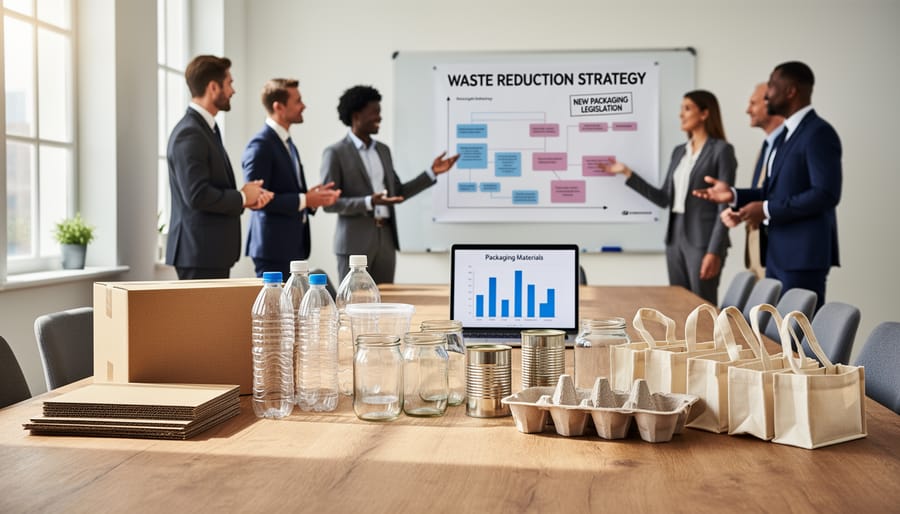
The Business Case: Why Reducing Packaging Waste Saves Money
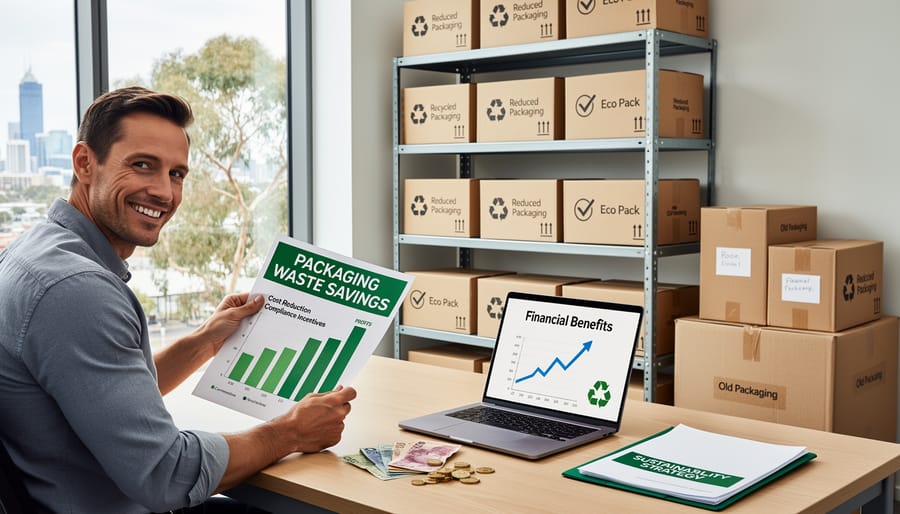
Material Costs and Supply Chain Efficiency
Reducing packaging waste isn’t just good for the environment—it delivers genuine cost savings that strengthen your bottom line. When Australian businesses embrace smarter packaging approaches, they’re discovering significant reductions in material procurement expenses while simultaneously streamlining their supply chains.
Consider the direct savings: less packaging material means fewer purchases of cardboard, plastics, and protective fillers. Melbourne-based furniture retailer GreenHome found that switching to minimal packaging designs reduced their material costs by 23% within the first year. They eliminated unnecessary void fill and oversized boxes, purchasing only what truly protected their products during transit.
Reusable packaging systems take these savings further. Companies adopting returnable crates, pallets, or containers eliminate the constant cycle of purchasing single-use materials. A Sydney food distributor implemented reusable delivery totes, cutting packaging procurement costs by nearly 40% while building stronger relationships with customers who appreciated the waste-free approach.
Supply chain efficiency improves markedly with streamlined packaging. Smaller, optimized packages mean more products per truck, reducing freight costs and carbon emissions simultaneously. Warehouse storage becomes more efficient, and handling times decrease when workers aren’t wrestling with excessive packaging materials.
These affordable waste management strategies also reduce disposal costs—a often-overlooked expense. Less packaging means lower waste collection fees and reduced landfill levies, creating savings that compound over time. The transition requires upfront investment in design and systems, but Australian businesses are finding that material cost reductions and operational efficiencies deliver returns within 12-18 months.
Avoiding Penalties and Accessing Incentives
Understanding the financial landscape surrounding packaging legislation is crucial for Australian businesses planning their sustainability journey. While penalties for non-compliance can significantly impact your bottom line, ranging from fines to potential operational restrictions, viewing this simply as a regulatory burden misses the bigger picture.
The encouraging news is that governments across Australia are backing businesses making the transition with substantial support. Various state and federal programs offer grants specifically designed to help companies redesign packaging, invest in sustainable materials, and upgrade recycling infrastructure. These incentives can offset initial transition costs, turning compliance into an opportunity rather than an expense.
Many businesses in our community have discovered that proactively embracing sustainable packaging not only avoids penalties but unlocks competitive advantages. Beyond direct government grants, companies often qualify for tax incentives, reduced waste levies, and access to innovation funding pools. Some state programs even provide free consultancy services to help design your transition strategy.
The key is acting now rather than waiting until deadlines loom. Early adopters typically secure better grant funding and position themselves as industry leaders. Connect with your local environmental protection authority or business sustainability networks to explore what support is available in your region. Remember, every dollar invested in sustainable packaging today protects your business from tomorrow’s penalties while contributing to the healthier Australia we’re all working towards together.
Packaging Waste Reduction and Reuse Systems: Practical Solutions
Reusable Packaging Models That Work
Australia’s journey toward zero waste is being paved by innovative reusable packaging systems that prove sustainability and profitability can go hand in hand. These models are already transforming how Australian businesses and communities handle packaging, creating circular economy success stories worth celebrating.
Container deposit schemes have become Australia’s environmental game-changer. New South Wales alone has processed over 8 billion containers through Return and Earn since 2017, with Queenslanders embracing Containers for Change with equal enthusiasm. These programs turn empty bottles and cans into 10-cent refunds, creating a financial incentive that keeps packaging out of landfills and oceans.
Several proven approaches are gaining traction across the country:
- Loop Australia partners with major retailers to deliver products in durable containers collected, cleaned, and refilled after use
- GoodnessMe Box uses returnable packaging for organic food deliveries, with customers simply leaving empty containers for collection
- Returnr provides reusable takeaway containers for hospitality venues in Melbourne and Sydney, tracked through QR codes
- The Source Bulk Foods operates refill stations across 80+ Australian locations, allowing customers to bring their own containers
- KeepCup, the Melbourne-born company, has prevented over 8 billion disposable cups from entering waste streams globally
These initiatives demonstrate that reusable systems work when convenience meets environmental responsibility. Farmers markets throughout Australia are increasingly embracing BYO container policies, while suburban communities are establishing neighborhood refill stations for household essentials.
The beauty of these models lies in their adaptability. Whether you’re a cafe owner trialling returnable coffee cups or a warehouse manager implementing reusable crate systems, starting small creates momentum. Many businesses report cost savings within 12-18 months as they reduce purchasing single-use packaging, while building customer loyalty among environmentally conscious Australians who actively seek sustainable alternatives.
Source Reduction Strategies
Source reduction starts at the drawing board, and Australian businesses are discovering that smarter packaging design delivers both environmental and financial wins. The concept is straightforward: use less material without compromising product protection or customer experience.
Begin by auditing your current packaging. Many Australian companies find they’re using 20-30% more material than necessary, often because packaging hasn’t been redesigned in years. Melbourne-based skincare brand Ethique famously eliminated their outer boxes entirely, saving 50 tonnes of cardboard annually while reducing costs by 15%. This approach requires honest questioning: does every product need multiple layers? Could protective inserts be smaller or eliminated?
Material substitution offers another powerful avenue. Switching from virgin plastic to recycled alternatives, or replacing foam with cornstarch-based packaging, often costs the same or less while dramatically reducing environmental impact. Brisbane’s craft brewery scene has embraced cardboard can carriers instead of plastic rings, responding to customer demand whilst cutting packaging expenses.
Right-sizing represents perhaps the quickest win. Oversized boxes filled with air pillows waste materials, increase shipping costs, and frustrate customers. Using packaging that fits your product dimensions properly reduces material use by up to 40% and allows more units per pallet, lowering transport emissions and costs. Several Australian e-commerce retailers now use custom-sized boxes or adjustable packaging that expands or contracts to fit contents.
The key is viewing packaging as an integrated system rather than an afterthought. By developing waste reduction habits throughout your design process, you’ll discover opportunities that benefit your bottom line while meeting rising consumer expectations for sustainability. Start with one product line, measure the results, then scale successful strategies across your range.
How Different Sectors Are Adapting to the New Requirements
Across Australia, businesses are discovering that adapting to packaging waste requirements isn’t just about compliance—it’s about innovation and community leadership. From bustling city centres to regional towns, different sectors are finding creative ways to reduce packaging waste while cutting costs and strengthening their connection with environmentally conscious customers.
The retail sector has emerged as a frontrunner in this transformation. Major supermarket chains like Woolworths and Coles have eliminated single-use plastic bags nationwide, while independent retailers are taking it further. The Prahran Market in Melbourne, for example, has introduced a container exchange program where shoppers can borrow reusable containers for fresh produce and return them after use. This circular approach demonstrates how retailers are turning waste into resources while building customer loyalty.
Food service businesses face unique challenges with takeaway packaging, but they’re responding with impressive creativity. Cafes across Brisbane’s West End have launched a reusable cup scheme with a small deposit system, achieving an 80 percent return rate. Meanwhile, Perth restaurants are partnering with local composting facilities to ensure compostable packaging actually gets composted rather than ending up in landfill.
| Sector | Main Challenges | Effective Solutions | Australian Example |
|---|---|---|---|
| Retail | Customer convenience expectations | Container exchange programs, package-free zones | Prahran Market reusable system |
| Food Service | Takeaway packaging compliance | Deposit-return cup schemes, compostable partnerships | West End Brisbane cup program |
| E-commerce | Protective packaging needs | Right-sized boxes, biodegradable materials | Sendle carbon-neutral shipping |
| Manufacturing | Bulk protective materials | Industrial composting systems, reusable pallets | Yarra Valley wineries packaging collective |
E-commerce businesses are rethinking their entire packaging strategy. Australian online retailers are switching to right-sized boxes that eliminate void fill, while companies like Sendle are pioneering carbon-neutral shipping with plastic-free packaging options. Some Sydney-based fashion retailers now ship items in bags made from cassava starch that dissolve harmlessly in water.
Manufacturing sectors, particularly in food and beverage production, are making significant strides. Wineries in the Yarra Valley have formed a collective to share reusable pallets and standardized packaging materials, reducing both costs and waste. Breweries across the country are replacing plastic six-pack rings with compostable alternatives or returning to traditional cardboard carriers.
What’s particularly encouraging is how these adaptations are creating new business opportunities. Packaging consultants, waste auditors, and sustainable material suppliers are emerging as essential partners in this transition, helping businesses navigate requirements while maximizing savings. The key to success across all sectors is collaboration—sharing knowledge, infrastructure, and innovative solutions that benefit entire communities while protecting our environment for future generations.
Your Action Plan: Steps to Compliance and Beyond
Taking action on packaging waste compliance doesn’t have to feel overwhelming. Whether you’re a small café in Melbourne or a manufacturing company in Brisbane, breaking down the process into manageable steps will have you not only meeting legal requirements but actually thriving in the new sustainable economy. Here’s your roadmap to get started today.
Begin with a packaging audit in the next two weeks. Walk through your business or household and document every piece of packaging that comes in and goes out. Take photos, make notes, and calculate rough volumes. Many Australian businesses discover they’re using 30-40% more packaging than necessary simply because they’ve never stopped to look. This baseline assessment becomes your reference point for measuring progress and identifying quick wins.
Within the first month, connect with your local council’s waste management team. They’re genuinely helpful resources who understand the regional infrastructure available to you. Ask about recycling programs, collection schedules, and any council-supported initiatives for businesses transitioning to sustainable packaging. Some councils even offer free consultations or subsidised waste audits for local enterprises.
By month two, start conversations with your suppliers. Request packaging alternatives, minimum order quantities with less wrapping, or bulk delivery options. You’ll be surprised how many suppliers already have sustainable options available but don’t promote them unless customers ask. Document your attempts to source better alternatives, as this demonstrates good faith compliance efforts.
Set a three-month target to implement your first major change. This might mean switching to compostable mailers, introducing a container deposit scheme in your café, or redesigning product packaging to use 20% less material. Make it visible to your customers and community. Australians genuinely appreciate businesses making effort, and they’ll support you through the transition.
By six months, establish regular review cycles. Schedule quarterly packaging assessments to track waste reduction, cost savings, and compliance metrics. Celebrate your wins with your team and community. Share your journey on social media or through local business networks.
Remember, you’re not alone in this transition. Connect with local sustainability groups, industry associations, and other businesses navigating the same path. The collective knowledge and support within Australian communities is one of our greatest strengths. Together, we’re building a cleaner future while discovering that sustainable practices often mean better business practices overall.
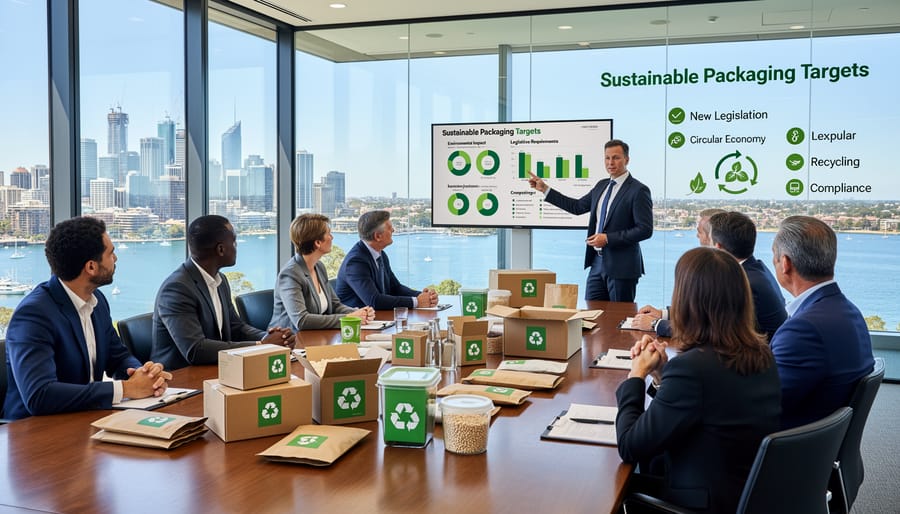
Common Challenges and How to Overcome Them
Transitioning to reduced-waste packaging isn’t always straightforward, and Australian businesses often encounter similar hurdles along the way. The good news? You’re not alone in facing these challenges, and practical solutions exist that have worked for businesses just like yours across the country.
One of the most common concerns is the perceived higher upfront cost of sustainable packaging alternatives. While it’s true that some eco-friendly materials initially cost more per unit, many Australian businesses have found that bulk ordering through cooperative purchasing groups significantly reduces these expenses. Consider connecting with your local chamber of commerce or industry associations to explore group buying opportunities. Additionally, the long-term savings from reduced waste disposal fees and improved brand reputation often offset initial investments within the first year.
Finding reliable suppliers of sustainable packaging materials in Australia can feel overwhelming, particularly for regional businesses. Start by researching suppliers who specialise in Australian-made alternatives, as this reduces shipping emissions and supports local manufacturing. Many suppliers now offer sample kits, allowing you to test materials before committing to large orders. Building relationships with multiple suppliers also provides backup options and competitive pricing.
Another significant challenge is redesigning packaging systems without disrupting current operations. The solution lies in phased implementation. Begin with one product line or packaging component, gather feedback, refine your approach, and then expand. Melbourne-based businesses in particular have found success by piloting changes in select stores before rolling out company-wide.
How much more expensive is sustainable packaging really?
Initial costs typically range from 10-30% higher, but bulk purchasing and waste reduction savings often balance this within 12-18 months.
Where can I find Australian suppliers of eco-friendly packaging?
The Australian Packaging Covenant Organisation maintains a directory of certified suppliers, and industry-specific associations often provide curated lists of vetted providers.
What if my customers don’t accept packaging changes?
Transparent communication is key. Most Australian consumers support sustainability initiatives when businesses explain the environmental benefits and demonstrate genuine commitment to reducing waste.
Staff training presents another practical obstacle. Your team needs to understand why changes matter and how to implement them correctly. Create simple visual guides and hold brief team sessions that celebrate small wins. When your staff becomes enthusiastic advocates for sustainable practices, customer adoption follows naturally, creating the community-driven change we all need to see.
The Packaging Waste and Cost Reduction Act represents more than just legislative change—it’s an opportunity for all Australians to reshape our relationship with packaging and waste. When businesses reduce their packaging footprint, they’re not only protecting our unique landscapes and marine environments, but they’re also discovering financial savings that strengthen their long-term viability. It’s a win that ripples through every level of our communities.
We’ve seen how Melbourne cafes, Sydney retailers, and Brisbane manufacturers are already thriving under these new guidelines, proving that sustainability and profitability walk hand in hand. These aren’t isolated success stories; they’re blueprints showing what’s possible when we align environmental responsibility with smart business practices. The Act creates a framework where doing right by the planet also means doing right by your bottom line and your customers who increasingly demand sustainable options.
But legislation alone cannot transform our packaging landscape. Real change happens when each of us—whether running a small business in regional Queensland or managing a corporate office in Perth—takes ownership of our role in this sustainability journey. Every switched supplier, every redesigned package, and every conversation about waste reduction contributes to a collective movement that’s distinctly Australian in its practicality and community spirit.
The choice is ours: we can view these changes as burdensome compliance, or we can embrace them as the catalyst for innovation and genuine progress. Start with one small change this week. Audit your packaging, connect with local sustainable suppliers, or share your reduction strategies with other businesses. Together, we’re not just meeting regulatory requirements—we’re building a cleaner, more sustainable Australia for generations to come.