
Every plate served in an Australian restaurant carries an invisible weight—one measured not in grams, but in carbon emissions, water consumption, and food waste. With the hospitality sector accounting for approximately 30% of Australia’s total food waste and consuming massive amounts of energy daily, the environmental footprint of our dining habits demands urgent attention. Yet this challenge presents an extraordinary opportunity for transformation.
Across the country, a quiet revolution is reshaping how we think about eating out. From Melbourne laneway cafés composting their scraps to Sydney harbourside restaurants sourcing exclusively from local fisheries, Australian venues are proving that exceptional dining and environmental stewardship can coexist beautifully. These pioneers aren’t just reducing their impact—they’re creating vibrant communities around seasonal menus, regenerative farming partnerships, and zero-waste kitchens that tell compelling stories with every dish.
Whether you’re a diner seeking to align your values with your restaurant choices or a venue owner navigating the practical realities of sustainable operations, understanding this landscape has never been more crucial. The good news? Sustainable dining doesn’t require sacrifice. It actually enhances flavour, strengthens local economies, and builds genuine connections between farmers, chefs, and communities. This shift toward restaurant sustainability represents more than an environmental imperative—it’s an invitation to participate in a food system that nourishes both people and planet, one thoughtfully prepared meal at a time.
The True Environmental Cost of Your Dinner Out
Food Waste: Australia’s Dining Dilemma
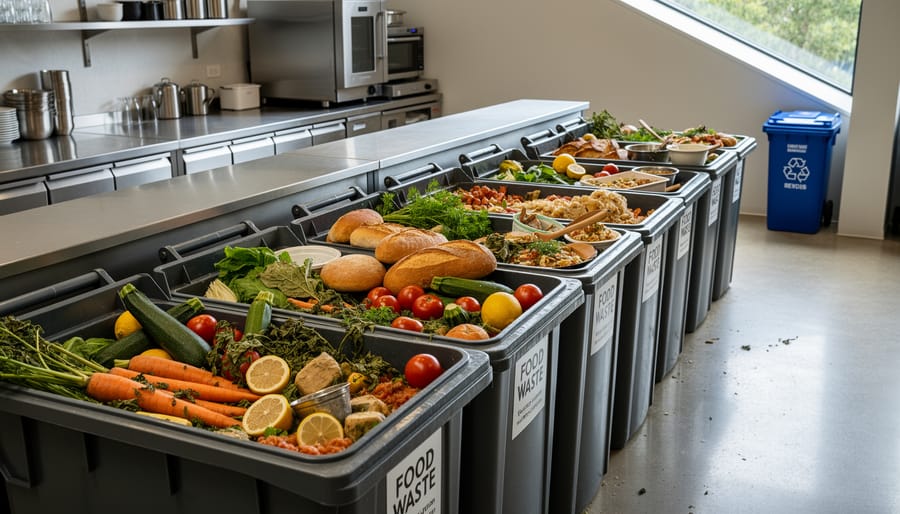
Australian restaurants face a sobering reality: our dining industry generates approximately 200,000 tonnes of food waste annually. This staggering figure tells a story that unfolds across every stage of the dining experience, from bustling kitchens to nearly-finished plates.
The journey of waste begins well before diners arrive. In restaurant kitchens, imperfect produce gets rejected, over-ordered ingredients spoil in cool rooms, and prep work creates mountains of trimmings. Kitchen managers across Sydney, Melbourne, and Brisbane report that roughly 10-15% of purchased food never makes it to a plate. Then there’s the plate itself—serving sizes designed to impress often exceed what diners can actually finish, resulting in perfectly good food heading straight to the bin.
The environmental ripple effects extend far beyond the restaurant walls. When this organic waste reaches landfill, it breaks down without oxygen, producing methane—a greenhouse gas 25 times more potent than carbon dioxide. For every kilogram of food wasted, we’re also squandering the water, energy, and resources used in production and transport.
Yet this challenge represents an opportunity for innovation. Progressive Australian restaurants are transforming how they approach food management, proving that reducing waste doesn’t mean compromising quality. Through smarter ordering systems, creative menu planning, and community partnerships, these establishments are writing a new chapter in sustainable dining—one where nothing valuable goes to waste.
The Hidden Water and Energy Drain
Behind every meal served in Australian restaurants lies a considerable hidden cost that rarely appears on the menu: water and energy consumption. The numbers tell a sobering story. A typical commercial kitchen in Australia uses between 30,000 to 50,000 litres of water monthly, primarily for dishwashing, food preparation, and cleaning. That’s enough to fill a backyard swimming pool every few weeks.
Energy demands tell a similar tale. Restaurant kitchens operate multiple high-intensity appliances simultaneously, from commercial refrigerators running 24/7 to energy-hungry ovens and grills. In fact, restaurants consume approximately five to seven times more energy per square metre than other commercial buildings. Peak-hour cooking periods can see power usage spike dramatically, placing considerable strain on our energy grid, particularly during summer months when air conditioning adds to the load.
Consider a busy Melbourne café serving 200 customers daily. Between espresso machines, dishwashers, and refrigeration units, it might consume as much electricity in one day as an average Australian household uses in a week. The water footprint extends beyond the kitchen tap too, encompassing the resources embedded in food production and transportation. Yet here’s the encouraging news: many Australian venues are proving these impacts can be dramatically reduced through smart design and mindful operations.
What Makes a Restaurant Truly Sustainable
Restaurant sustainability isn’t just about adding a few plant-based dishes to your menu or using paper straws. It’s a comprehensive approach that touches every aspect of how a restaurant operates, from the paddock to the plate and beyond.
At its heart, genuine restaurant sustainability rests on four interconnected pillars. First is ethical sourcing, which goes hand-in-hand with food sustainability. This means prioritising local suppliers, seasonal produce, and ingredients grown or raised with minimal environmental impact. When a Melbourne restaurant partners with a Victorian organic farm rather than importing produce from overseas, they’re cutting food miles while supporting local growers.
The second pillar is waste management, where truly sustainable restaurants take a circular approach. This includes composting organic waste, donating excess food to community organisations like OzHarvest, and designing menus that use whole ingredients creatively. A carrot becomes not just a side dish but transforms into tops for pesto, skins for stock, and flesh for multiple menu items.
Energy and resource efficiency forms the third pillar. This encompasses everything from energy-efficient appliances and renewable energy sources to water conservation systems and sustainable packaging choices. Many Australian restaurants are now installing solar panels and capturing rainwater, significantly reducing their environmental footprint.
The fourth pillar is community impact. Sustainable restaurants actively contribute to their local communities through fair wages, partnerships with Indigenous food producers, support for local economies, and education initiatives.
Here’s how to spot the difference between genuine efforts and greenwashing: authentic sustainability is transparent, measurable, and ongoing. Restaurants committed to real change will openly share their suppliers, display certifications, acknowledge challenges, and continuously improve their practices. They don’t just tell you they’re sustainable; they show you exactly how. If a restaurant’s sustainability claims feel vague or focus solely on one trendy initiative while ignoring bigger issues, it’s worth asking more questions before booking your next dinner reservation.
Sustainable Sourcing: From Farm to Fork
The Power of Local and Seasonal Menus
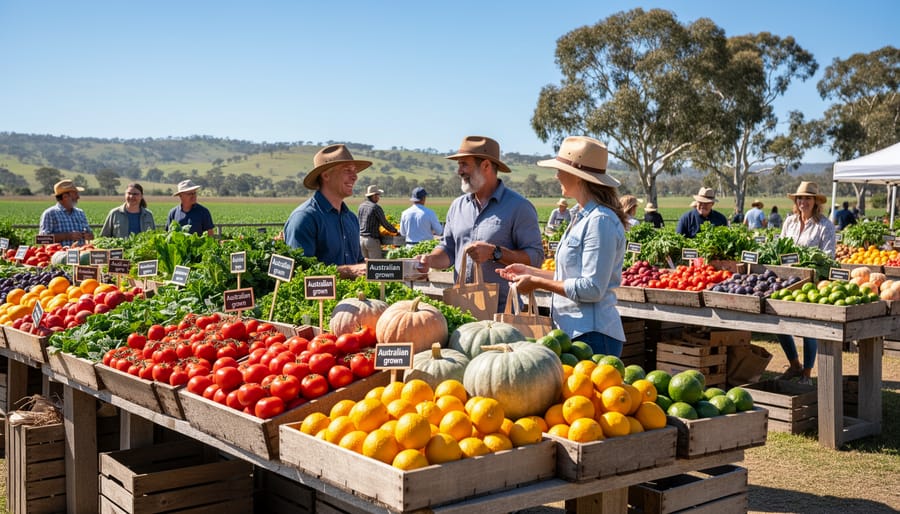
There’s something special about biting into a tomato at the peak of summer or savouring pumpkin in autumn—flavours are richer, textures better, and the whole experience feels more connected to place. This is the foundation of seasonal, locally-sourced menus, and forward-thinking Australian restaurants are proving it’s not just good for our palates, but essential for our planet.
When restaurants source ingredients from nearby farms and adjust menus with the seasons, they dramatically reduce food miles—the distance food travels from farm to plate. Consider Melbourne’s Attica, which partners with farmers within a few hours’ drive, or Sydney venues working directly with growers in the Hawkesbury region. These relationships cut carbon emissions from transport while ensuring ingredients arrive fresher and more nutrient-dense.
Beyond environmental benefits, these sustainable sourcing practices create resilient local food systems. When Brisbane restaurants buy from Scenic Rim producers or Perth establishments source from Swan Valley farms, they’re putting money directly into regional communities. This supports farming families, preserves agricultural land, and strengthens food security.
Seasonal menus also reduce waste—chefs work with what’s abundant rather than forcing out-of-season imports. Tasmania’s agrarian restaurant scene exemplifies this beautifully, celebrating winter brassicas and summer stone fruits as they naturally arrive. The result? Menus that tell the story of Australian seasons while treading lightly on the earth.
Ethical Proteins and Plant-Forward Dining
Australian restaurants are reimagining protein on the plate, and the shift is both delicious and planet-positive. From Sydney harbour-side bistros to Melbourne laneway cafes, chefs are embracing sustainable protein sourcing that respects both animals and ecosystems.
Regenerative agriculture is transforming how we think about meat production. Rather than depleting soil and contributing to emissions, regenerative farms actually restore land health while raising livestock. Farms like Jonai Farms in New South Wales demonstrate how cattle can be part of the solution, grazing in ways that build topsoil, sequester carbon, and improve biodiversity. Forward-thinking restaurants are partnering directly with these producers, ensuring their meat dishes support environmental healing rather than harm.
The plant-forward movement is flourishing across Australia, with restaurants proving that reducing meat doesn’t mean sacrificing flavour or satisfaction. Venues like Transformer in Melbourne showcase how vegetables can take centre stage, creating memorable dining experiences that happen to be kinder to the planet. This isn’t about forcing vegetarianism on diners, but rather offering exciting plant-based options alongside ethically sourced animal proteins.
When restaurants do serve seafood, many are choosing species from well-managed fisheries or local aquaculture operations that prioritize ecosystem health. The Australian Marine Conservation Society’s GoodFish guide helps both chefs and diners make informed choices about sustainable seafood.
These protein choices matter enormously. Food production accounts for significant greenhouse gas emissions, and shifting even partially toward plant-based and regeneratively raised options creates measurable environmental benefits while supporting Australian farmers who are stewarding the land responsibly.
Winning the War on Waste

Smart Kitchen Practices That Cut Waste
The most sustainable waste is the waste that never happens. Forward-thinking Australian kitchens are reimagining how they use ingredients, and the results are both environmentally impressive and financially rewarding.
Nose-to-tail and root-to-stem cooking have moved from niche practices to essential strategies. Melbourne’s innovative restaurants are transforming beef cheeks into rich ragù, using fish collars for staff meals, and turning vegetable trimmings into vibrant stocks and pestos. Brisbane chef communities are sharing recipes that celebrate carrot tops, cauliflower leaves, and broccoli stems, proving that ‘scraps’ often harbour the most intense flavours.
Smart inventory management forms the foundation of waste reduction. Progressive kitchens across Sydney and Perth now use digital systems that track ingredients in real-time, preventing over-ordering and ensuring older stock gets used first. Some venues have adopted smaller, more frequent deliveries, particularly for delicate produce, reducing spoilage dramatically.
Preparation techniques matter too. Pre-portioning proteins, cross-utilising ingredients across multiple menu items, and maintaining detailed waste logs help kitchens identify patterns and adjust accordingly. One Adelaide restaurant reduced its food waste by 40 percent simply by measuring what went into the bin each night and adjusting prep quantities.
These practices don’t require massive investment, just commitment and creativity. Australian restaurants embracing these methods consistently report cost savings that offset initial training time, whilst simultaneously building reputations as environmental leaders within their communities.
Where Leftovers Go: Composting and Community Solutions
When food waste becomes inevitable, innovative Australian restaurants are proving that scraps don’t have to end up in landfill. Composting programs are transforming kitchens across the country, with venues partnering with local councils and commercial composting services to convert organic waste into nutrient-rich soil that nourishes community gardens and urban farms.
Food rescue organisations like OzHarvest are game-changers in the sustainability movement. These partnerships allow restaurants to redirect surplus meals to Australians experiencing food insecurity rather than tossing perfectly edible food. Since 2004, OzHarvest alone has rescued over 250 million meals from commercial kitchens nationwide. Similar organisations including SecondBite and Foodbank work with hospitality venues to ensure excess production serves communities rather than filling bins.
Some forward-thinking establishments are taking things further. Melbourne cafes have created coffee ground collection programs, transforming used grounds into garden fertiliser distributed free to locals. Sydney restaurants partner with urban farms, supplying vegetable scraps that feed chickens and create closed-loop food systems within neighbourhoods.
These initiatives demonstrate that waste isn’t an endpoint but a beginning. By participating in composting programs or food rescue partnerships, restaurants strengthen community connections while dramatically reducing their environmental footprint. For diners, supporting venues engaged in these solutions means your leftovers genuinely go somewhere meaningful.
Ditching Single-Use: The Packaging Revolution
The packaging crisis is real, but Australian restaurants are proving that delicious food doesn’t need to come wrapped in plastic. Single-use containers, plastic straws, and unnecessary packaging create mountains of waste, yet the solution is simpler than you might think.
Melbourne’s Brothl has pioneered a reusable container system where customers pay a small deposit, return their bowls after use, and the restaurant professionally sanitises them for the next customer. It’s takeaway without the trash. Similarly, Sydney’s Bare Wholefoods operates entirely plastic-free, using compostable packaging made from plant-based materials that break down naturally.
The shift extends to those tiny troublemakers too. Thousands of Australian venues have ditched plastic straws for paper, bamboo, or pasta alternatives. Some, like Brisbane’s Gauge, simply don’t offer straws unless requested, reducing waste through thoughtful service.
For restaurant owners, transitioning to sustainable packaging starts with auditing current waste streams. Partner with suppliers like BioPak or Pack’d who specialise in compostable options. The upfront cost is often offset by customer loyalty and reduced waste disposal fees. As diners, supporting these pioneers sends a powerful message that sustainability matters more than convenience.
Energy Efficiency and Water Conservation in Commercial Kitchens
Commercial kitchens are energy-intensive spaces, but Australian restaurants are proving that smart management can dramatically reduce both environmental impact and operating costs. The transformation starts with understanding where resources disappear—and the answers might surprise you.
Traditional commercial kitchens consume up to five times more energy per square metre than other commercial spaces. Refrigeration alone accounts for nearly 30% of a restaurant’s electricity use, while water heating and cooking equipment drive costs even higher. Yet many restaurants across Australia are slashing these figures through strategic upgrades and mindful practices.
Melbourne’s Lentil as Anything has pioneered accessible approaches by installing energy-efficient kitchen equipment and implementing comprehensive water-saving measures. Their commercial dishwasher now uses 40% less water than conventional models, while motion-sensor lighting throughout prep areas has cut electricity waste significantly. These energy efficiency measures reduced their operational costs by thousands annually—savings that support their community-focused mission.
Brisbane’s Gauge restaurant takes it further with real-time energy monitoring systems that identify wasteful patterns. Staff receive training on efficient equipment use, from preheating only when necessary to proper refrigerator maintenance. They’ve also embraced carbon mitigation strategies including solar panels that now provide 60% of their daytime power needs.
Water conservation presents equally significant opportunities. Installing low-flow pre-rinse spray valves, fixing leaks promptly, and collecting condensation from refrigeration units for cleaning tasks can reduce water consumption by up to 30%. Sydney’s Three Blue Ducks collects rainwater for their kitchen garden, closing the loop between water use and food production.
Support is readily available for restaurants ready to make the shift. The Australian Government’s Energy Efficiency Grants program offers funding for equipment upgrades, while state-based initiatives provide free energy audits. Sustainability Victoria’s ResourceSmart program has helped hundreds of hospitality businesses identify savings averaging $10,000 annually.
The message is clear: environmental responsibility and financial sense go hand-in-hand, creating kitchens that nourish both people and planet.
Australian Restaurants Leading the Charge
Across Australia, a growing number of restaurants are proving that exceptional dining and environmental responsibility can go hand in hand. These trailblazers aren’t just serving delicious food—they’re reshaping what it means to run a sustainable hospitality business and inspiring their communities along the way.
In Melbourne, Brothl has become a poster child for zero-waste dining. This innovative eatery transforms what would typically be discarded—vegetable scraps, meat bones, and seafood shells—into nourishing broths and creative dishes. Their closed-loop system diverts tonnes of organic matter from landfill annually while educating diners about food waste through transparent kitchen practices. Co-founder Jane Stewart explains that customers often leave with newfound appreciation for ingredients they’d normally throw away at home.
Sydney’s Automata takes a different but equally impressive approach. Chef Clayton Wells built relationships with small-scale regenerative farmers who prioritise soil health and biodiversity. The restaurant’s menu changes based entirely on what these farmers harvest, reducing food miles and supporting agricultural practices that actually restore ecosystems. Their composting program and partnership with local urban gardens means even their food scraps continue nourishing the community.
Regional establishments are making waves too. In Tasmania’s Huon Valley, Franklin operates from a historic waterfront building, sourcing nearly everything within a 100-kilometre radius. Their wood-fired cooking method reduces reliance on gas, while their commitment to whole-animal butchery ensures nothing goes to waste. This hyperlocal approach has revitalised relationships between chefs and producers across the region.
Meanwhile, Perth’s Lulu La Delizia demonstrates that sustainability works at any scale. This cosy Italian restaurant eliminated single-use plastics, switched to renewable energy, and works with Perth’s Homeless Connect to redistribute surplus food. Owner Marco Ambrosino believes small businesses have unique power to influence their neighbourhoods, proving that sustainability initiatives don’t require massive budgets—just creativity and commitment.
These restaurants share common threads: strong community connections, transparency with customers, and willingness to challenge industry conventions. They’re not waiting for perfect solutions—they’re implementing changes today while continuously improving. Their success stories provide blueprints for other establishments and remind diners that supporting sustainable restaurants creates ripple effects far beyond a single meal.
How You Can Support Sustainable Dining
As diners, we hold tremendous power to shape the restaurant industry’s future through our choices. Every meal out becomes an opportunity to vote with your wallet, supporting venues that prioritize people and planet alongside profit.
Start by doing a bit of detective work before you book. Check restaurant websites and social menus for clues about their sustainability commitments. Do they mention local suppliers by name? Highlight seasonal produce? Discuss their waste reduction efforts? These details often indicate genuine dedication rather than superficial greenwashing. Many Melbourne and Sydney establishments now proudly showcase their farm partnerships and composting programs right on their menus, turning sustainability into part of the dining conversation.
When you arrive, don’t hesitate to ask questions. Where does the seafood come from? Are the vegetables grown locally? How does the kitchen handle food waste? Forward-thinking restaurants welcome these enquiries because their staff are passionate about sharing their sustainability story. Your curiosity signals to establishments that diners care about these issues, encouraging others to follow suit.
Look for recognized certifications that take the guesswork out of identifying sustainable options. The Good Food Guide’s Sustainability Award, Sustainable Restaurant Association certifications, and the Australian Marine Conservation Society’s GoodFish Project all provide reliable benchmarks. Some venues display organic certifications, Fair Trade partnerships, or carbon-neutral commitments.
Beyond choosing where to eat, you can amplify your impact. Leave positive reviews specifically mentioning sustainability practices, helping these restaurants reach more conscious consumers. Share your discoveries on social media within your community networks. When dining out with friends or colleagues, suggest sustainable venues and explain why they matter.
Remember, supporting sustainable dining doesn’t require perfection. Perhaps start with one conscious choice per month, then gradually build from there. Every sustainable meal contributes to a larger movement transforming Australia’s food landscape. Together, we’re creating demand that makes environmental responsibility not just an option, but the expected standard across our dining scene.
The journey toward sustainable dining isn’t one that restaurants or diners walk alone. It’s a shared path we’re forging together, where every meal becomes an opportunity to support regenerative practices and strengthen our communities. Across Australia, from bustling Melbourne laneways to coastal Queensland cafes, we’re witnessing a beautiful momentum building. Restaurant owners are reimagining their supply chains, chefs are celebrating native ingredients, and diners are asking better questions about where their food comes from.
The most encouraging part? Making a difference doesn’t require perfection. Start simple: choose restaurants committed to local sourcing, reduce your food waste, support businesses with transparent sustainability practices, or simply have conversations about these values with your local cafes and eateries. When enough voices speak up, entire industries shift. The sustainable dining movement proves that our collective choices ripple outward, creating waves of positive change far beyond our individual tables. Whether you’re a business owner ready to transform operations or a diner making your next reservation, your participation matters. Together, we’re not just changing how we eat; we’re reshaping the future of Australian food culture, one thoughtful meal at a time.