
Your home or business could be wasting thousands of dollars and generating unnecessary carbon emissions right now, yet traditional energy audits often miss the bigger picture. Green energy audits go beyond identifying where you’re losing kilowatts—they reveal how your building can actively contribute to Australia’s renewable energy future while slashing both your environmental footprint and operating costs.
Unlike conventional assessments that focus solely on consumption reduction, green energy audits evaluate your entire property through a sustainability lens. These comprehensive evaluations examine solar potential, rainwater harvesting opportunities, thermal efficiency, indoor air quality, and integration possibilities with emerging clean technologies. The auditor becomes your partner in transformation, mapping a pathway from your current energy profile to a regenerative building that potentially generates more clean energy than it consumes.
For Australian households and businesses, this approach aligns perfectly with our unique climate challenges and abundant renewable resources. From Perth’s intense summer heat to Melbourne’s variable conditions, green audits account for regional specifics that generic advice overlooks. The results typically identify 15-40% energy reduction potential, but more importantly, they uncover opportunities to participate in virtual power plants, access green financing programs, and future-proof your property against rising energy costs.
This comprehensive guide walks you through what makes an energy audit truly green, the assessment process from initial walkthrough to final recommendations, real-world retrofit outcomes from Australian properties, available rebates and incentives, and how to select qualified auditors committed to genuine sustainability outcomes rather than quick fixes.
What Makes an Energy Audit ‘Green’?
Beyond Just Saving Money
While saving money matters, green energy audits offer something far more valuable: a genuine pathway to environmental stewardship. These assessments go beyond your electricity bill to measure your true impact on our planet.
When a green auditor walks through your home or business, they’re calculating your carbon footprint with the same rigor they apply to your energy costs. That air conditioning unit isn’t just draining your wallet; it’s contributing to Australia’s emissions. The audit reveals precisely how much and presents alternatives that benefit both your budget and the atmosphere we all share.
But the environmental story doesn’t end with carbon. Your energy choices ripple outward, affecting water consumption, local air quality, and the broader ecosystem impact of energy production. Green auditors help you understand these connections, showing how switching to renewable energy sources reduces pressure on our natural systems.
This holistic approach transforms the audit from a simple cost-cutting exercise into a meaningful act of environmental responsibility. You’ll receive recommendations that prioritize planet-friendly solutions, whether that’s solar panels that eliminate fossil fuel dependence or insulation improvements that reduce resource consumption. It’s about making choices that honor our commitment to a sustainable Australia for generations to come.
The Australian Context
Australia’s diverse climate zones mean green energy audits here look quite different from overseas approaches. From Darwin’s tropical humidity to Melbourne’s four-seasons-in-a-day weather, our auditors assess homes and businesses against the specific environmental challenges each region faces. In Queensland and Western Australia, extreme heat resilience takes centre stage, with assessments focusing on passive cooling strategies, solar heat gain through windows, and air conditioning efficiency. For properties in bushfire-prone areas across NSW, Victoria, and South Australia, auditors now integrate ember attack protection and defensible space planning alongside traditional energy efficiency measures.
Australian building types present unique opportunities too. Our abundant stock of weatherboard homes, brick veneer construction, and the increasingly popular sustainable builds each require tailored assessment approaches. Auditors familiar with local conditions understand that a home in Tasmania needs entirely different insulation strategies compared to one in the Northern Territory. They’re also attuned to our building codes and the latest Australian Standards for energy efficiency, ensuring recommendations align with what actually works in our climate while supporting broader community resilience against increasingly frequent extreme weather events.
What to Expect During Your Green Energy Audit
The Initial Consultation
Your green energy audit begins with a thoughtful conversation that sets the stage for transformation. During the initial consultation, your auditor will send a pre-audit questionnaire covering your property’s age, construction type, and any previous energy improvements you’ve made. This helps them arrive prepared with the right tools and expertise for your situation.
You’ll be asked to gather recent energy bills—typically the past 12 months—which reveal seasonal patterns and peak usage times. These bills become your baseline, showing where you’re starting from and highlighting opportunities for the biggest environmental impact. Many Australian households are surprised to discover their winter heating or summer cooling creates the largest carbon footprint.
The conversation also explores occupant behavior: when people are home, how rooms are used, and daily routines. Perhaps your family clusters in the living room during evenings, or your office space sits empty on weekends. These insights help create tailored recommendations that work with your lifestyle rather than against it, ensuring your sustainability journey feels achievable and rewarding.
The On-Site Assessment
When your auditor arrives at your property, the real detective work begins. This hands-on inspection goes far beyond simply checking your electricity meter, using specialised equipment to uncover energy wastage you can’t see with the naked eye.
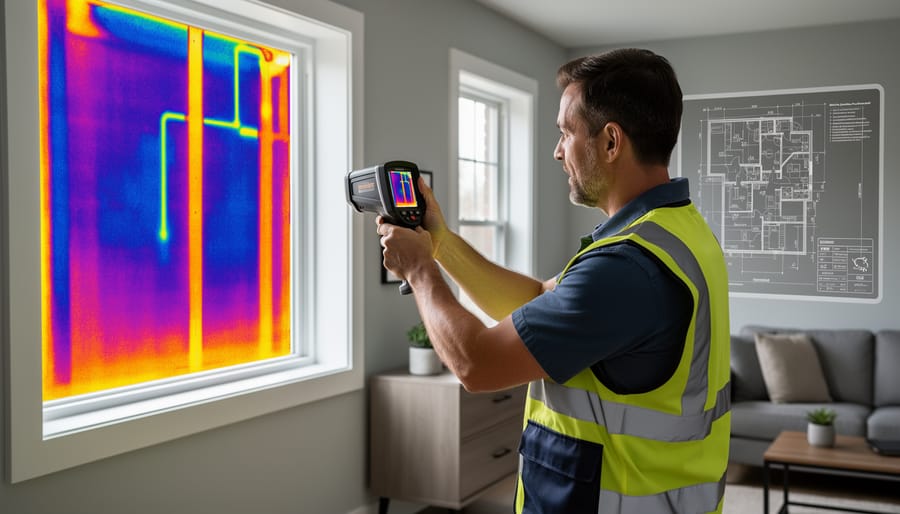
Thermal imaging cameras are the star of the show here. These clever devices reveal heat loss through walls, ceilings, and windows by creating vivid colour maps of temperature differences. You might discover cold spots indicating poor insulation or unexpected heat escaping through gaps you never knew existed. It’s quite eye-opening to see your home’s thermal signature displayed in real-time.
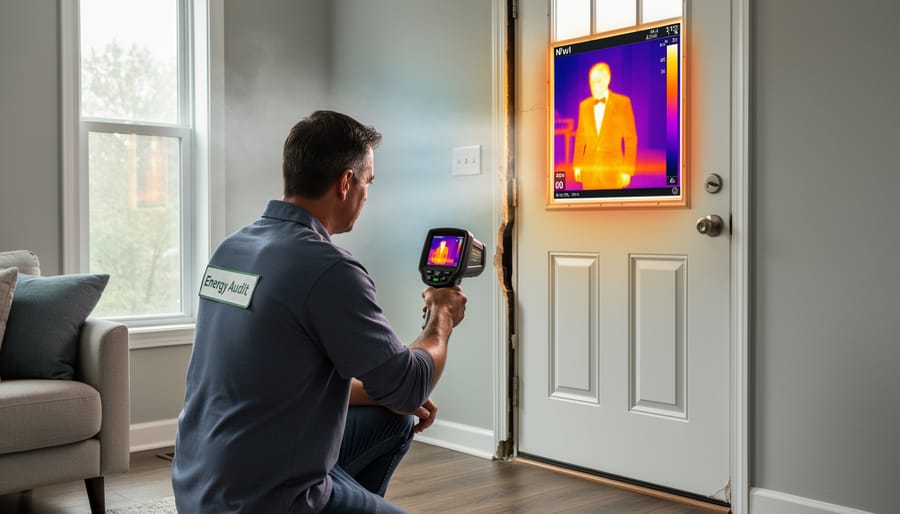
Air leakage testing, often using a blower door test, measures how drafty your property really is. The auditor creates a pressure difference to identify where outside air is sneaking in, driving up your heating and cooling costs. Many Australian homes, particularly older ones, lose significant energy through these invisible gaps around doors, windows, and even electrical outlets.
Your auditor will thoroughly examine insulation levels in roof spaces, walls, and underfloor areas, checking both quantity and condition. They’ll also test the efficiency of major appliances, lighting systems, and your heating and cooling equipment to identify energy guzzlers ready for retirement.
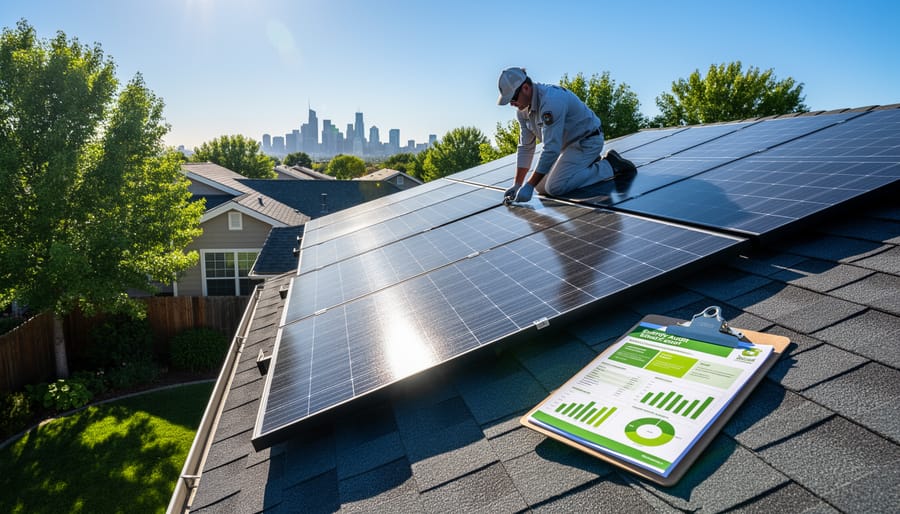
Perhaps most exciting is the renewable energy potential evaluation. Your auditor will assess your property’s suitability for solar panels, considering roof orientation, shading, and local climate patterns. They might also evaluate options for solar hot water, battery storage, or even small-scale wind generation depending on your location.
This comprehensive physical inspection typically takes two to four hours, depending on your property’s size and complexity.
The Comprehensive Report
Once your audit is complete, you’ll receive a detailed report that serves as your roadmap to a more sustainable future. This document goes well beyond a simple checklist, providing you with a clear picture of where your energy dollars are going and how to redirect them more efficiently.
Your report will outline specific findings about your current energy use, from major inefficiencies like poor insulation or outdated HVAC systems to smaller opportunities such as lighting upgrades. What makes this particularly valuable is the prioritized list of recommendations, ranked by impact and feasibility. You’ll see which changes deliver the quickest wins and which require longer-term planning.
The cost-benefit analysis breaks down each recommendation with realistic payback periods relevant to Australian energy prices, helping you make informed decisions about where to invest first. You’ll also discover the environmental impact projections, showing how many tonnes of carbon emissions you could reduce annually through various improvements.
Perhaps most importantly, the report includes a retrofit roadmap that sequences improvements logically. This prevents you from tackling projects in an order that might compromise future upgrades, ensuring your journey toward sustainability is both strategic and achievable.
Common Energy Thieves Green Audits Uncover
The Invisible Culprits
You might be surprised to learn that many homes and businesses across Australia are quietly leaking energy through hidden culprits that most of us never think about. During a green energy audit, trained assessors become energy detectives, uncovering these invisible drains on your resources and the environment.
Air leaks are perhaps the sneakiest offenders. Those tiny gaps around windows, doors, and ceiling fixtures might seem insignificant, but collectively they’re like leaving a window open year-round. Australian homes can lose up to 25% of their heating and cooling through these invisible pathways, forcing your air conditioner to work overtime during those scorching summer months.
Poor insulation in roof spaces is another common discovery. Many older Australian homes were built before current insulation standards, and even newer properties sometimes have inadequate or poorly installed insulation. When heat pours through your ceiling in summer or escapes in winter, you’re essentially air-conditioning the neighbourhood.
Your hot water system might also be working against you. Older electric storage systems, still common in many Australian households, can account for up to 30% of home energy use. Auditors often identify opportunities to upgrade to heat pump or solar hot water systems that slash both emissions and bills.
Then there are phantom loads, those sneaky standby appliances silently drawing power 24/7. From entertainment systems to phone chargers, these devices cost Australian households hundreds of dollars annually while contributing unnecessary emissions. The good news is that once identified, these invisible culprits are relatively simple to address, creating immediate improvements in your environmental footprint.
Climate-Specific Challenges
Australia’s unique climate presents distinct challenges that green energy audits are specifically designed to address. Our scorching summers and intense UV exposure mean many homes and businesses struggle with heat management, often leading to skyrocketing energy bills and unnecessary environmental impact.
One of the most common issues auditors discover is inadequate shading. Homes lacking eaves, awnings, or strategic shade trees can experience indoor temperatures up to 10 degrees higher than properly protected properties. This forces cooling systems to work overtime, consuming excessive energy. A green energy audit assesses your property’s solar exposure and recommends practical shading solutions that work with our climate rather than against it.
Australian buildings also frequently suffer from inefficient cooling systems that aren’t suited to local conditions. Many older air conditioning units operate at half the efficiency of modern alternatives, while poorly maintained systems waste energy through refrigerant leaks and clogged filters. Auditors evaluate whether your cooling approach matches your actual needs and local climate patterns.
Poor ventilation design compounds these issues, particularly in newer builds prioritizing style over substance. Without proper cross-ventilation or consideration for prevailing breezes, homes become heat traps requiring constant mechanical cooling. Green auditors examine your property’s orientation, window placement, and airflow patterns to identify opportunities for natural cooling strategies that our ancestors understood well but modern construction often ignores.
Addressing these climate-specific challenges creates comfortable, energy-efficient spaces that respect both your budget and our environment.
Eco-Friendly Retrofit Solutions That Actually Work
Quick Wins with Immediate Impact
Here’s the encouraging news: you don’t need to wait months for results or invest thousands upfront. Your green energy audit will identify simple retrofits that deliver remarkable impact, often paying for themselves within the first year.
LED lighting upgrades typically top the list of quick wins. Australian households switching to LEDs see energy use for lighting drop by up to 75 percent, with bulbs lasting years longer than traditional options. It’s one of those changes where you’ll notice the difference in your next electricity bill.
Weather sealing comes next, tackling those sneaky gaps around doors and windows that let your hard-earned heating or cooling escape. A weekend spent applying weatherstripping and door sweeps can reduce energy waste by 10-20 percent, particularly valuable during our sweltering summers and crisp winter mornings.
Programmable thermostats give you smarter control over comfort, automatically adjusting temperatures when you’re away or asleep. Many Australian communities have found these devices reduce heating and cooling costs by around 10 percent annually.
Water-efficient showerheads and tap aerators complete the quick wins package, cutting water heating costs while conserving our precious water resources. Together, these accessible upgrades create momentum for your sustainability journey, proving that meaningful change starts with practical, affordable action.
Medium-Term Investments
Once you’ve tackled the quick wins, it’s time to consider investments that deliver substantial, long-lasting impact on your energy footprint. These medium-term solutions typically pay for themselves within five to ten years while significantly boosting your property’s sustainability credentials.
Solar panel installation remains the cornerstone of home energy transformation across Australia. With our abundant sunshine, a quality solar system can slash electricity bills by 50-70% while feeding clean energy back into the grid. Many households in Perth and Brisbane are discovering that combining solar with battery storage creates genuine energy independence, particularly valuable during peak tariff periods or grid outages.
Improving your home’s insulation might not be glamorous, but it’s incredibly effective. Australian homes often lack adequate ceiling, wall, and floor insulation, forcing heating and cooling systems to work overtime. Proper insulation maintains comfortable temperatures year-round, reducing energy consumption by up to 45% in some cases.
Upgrading to energy-efficient appliances makes financial and environmental sense when existing units reach end-of-life. Look for high star ratings on refrigerators, washing machines, and air conditioners. These workhorses consume less power daily, and collectively, Australian communities choosing efficient appliances create measurable reductions in grid demand.
Smart home technology integration ties everything together beautifully. Programmable thermostats, automated lighting systems, and energy monitoring apps help you understand and optimise consumption patterns. Adelaide’s growing maker community has embraced these technologies, demonstrating how data-driven decisions amplify the benefits of other efficiency improvements while fostering neighbourhood conversations about sustainable living.
Transformative Upgrades
Beyond the basics, a comprehensive green energy audit often reveals opportunities for transformative upgrades that can revolutionise your property’s environmental footprint. These aren’t just tweaks—they’re game-changers for Australian homes and businesses committed to genuine sustainability.
Passive solar design improvements might involve strategically repositioning windows, installing thermal mass elements, or adding carefully placed deciduous trees that shade in summer while allowing winter sun penetration. These modifications work with Australia’s climate rather than against it, dramatically reducing heating and cooling demands.
Rainwater harvesting systems are particularly valuable across our often drought-prone continent. Your auditor might recommend tanks sized to your roof catchment area and local rainfall patterns, potentially meeting substantial portions of your water needs while easing pressure on municipal supplies.
Geothermal heating and cooling systems tap into the earth’s constant underground temperature, offering incredibly efficient climate control. While the upfront investment is significant, many Australian properties—particularly in regional areas—find the long-term savings and environmental benefits compelling.
Whole-house ventilation systems with heat recovery can transform indoor air quality whilst minimising energy loss, creating healthier living spaces that don’t compromise on efficiency. Your green energy auditor will help prioritise these transformative upgrades based on your specific circumstances, budget, and sustainability goals.
Making the Numbers Work: Rebates, Incentives, and Payback
State-by-State Support Programs
Across Australia, state and territory governments have developed robust programs to make green energy audits more accessible and affordable for households and businesses. Victoria leads the charge with its Victorian Energy Upgrades program, offering subsidised audits and discounts on energy-efficient improvements through accredited providers. This initiative has helped thousands of Victorian families slash their energy bills while reducing emissions.
In New South Wales, the Energy Savings Scheme creates financial incentives for both residential and commercial properties to conduct audits and implement recommended upgrades. Accredited certificate providers can guide you through the process, often covering the audit cost entirely through anticipated energy savings.
Queensland’s business community benefits from targeted grant programs supporting comprehensive energy assessments, while South Australia offers rebates for home energy audits alongside solar battery incentives. Western Australian businesses can access specialised commercial energy efficiency programs tailored to local climate conditions.
At the federal level, the Clean Energy Finance Corporation provides innovative financing solutions for larger-scale sustainability projects identified through detailed audits. These low-interest loans help businesses transform audit recommendations into reality without significant upfront capital.
Your local council may also offer additional rebates or free community workshops about energy auditing. It’s worth contacting them directly, as many Australian communities are pioneering grassroots sustainability initiatives that complement state programs beautifully.
Calculating Your Return
Understanding the financial return on your green energy audit starts with calculating your payback period. This is simply the time it takes for your energy savings to equal your initial investment. For many Australian households, solar panel installations offer payback periods between 3-7 years, while simpler upgrades like LED lighting or draught-proofing might pay for themselves in less than two years.
Beyond immediate payback, consider your lifetime savings. A well-insulated home in Melbourne, for instance, can save thousands of dollars over decades while dramatically reducing your carbon footprint. These figures become even more compelling when you factor in rising energy costs, which have significantly impacted Australian households in recent years.
Don’t overlook the environmental investment benefits that extend beyond your power bills. Properties with strong energy efficiency ratings consistently command higher sale prices and rental yields across Australian markets. Recent data shows energy-efficient homes sell for up to 10% more than comparable properties.
Remember too the value that numbers alone can’t capture: a comfortable home year-round, reduced environmental impact, and the satisfaction of contributing to Australia’s clean energy transition alongside your community.

Choosing the Right Green Auditor
Credentials That Matter
When choosing green service providers for your energy audit, look for professionals who demonstrate genuine commitment to sustainability beyond basic energy efficiency. In Australia, credible auditors typically hold certifications from organisations like the Building Sustainability Professionals Association or the Australian Sustainable Built Environment Council. Many also possess Certified Energy Manager credentials or thermal imaging qualifications that enhance their diagnostic capabilities.
Professional memberships with bodies like the Australian Energy Efficiency Council signal ongoing engagement with best practices and industry developments. For commercial audits, NABERS Assessor accreditation demonstrates expertise in Australia’s leading performance rating system. Don’t hesitate to ask potential auditors about their experience with renewable energy integration, sustainable materials knowledge, and familiarity with local council initiatives. The best auditors view their role as educating and empowering you to make informed choices, not just ticking boxes. They should understand both the technical and environmental aspects of creating truly sustainable spaces.
Questions to Ask Before You Book
Finding the right energy auditor sets the foundation for your sustainability journey. Before booking, ask about their audit methodology—do they use thermal imaging and blower door tests? Request details about the reporting format: will you receive a prioritised action plan with estimated costs and environmental impact? Understanding how comprehensive the report will be helps you make informed retrofit decisions.
Enquire about follow-up support after the audit. Will the auditor explain recommendations in person? Can you contact them with questions during implementation? This ongoing connection proves invaluable when you’re weighing options.
Ask if they can recommend trusted local contractors experienced in energy-efficient retrofits. Many Australian auditors have networks of vetted professionals who understand sustainable building practices specific to our climate. Some even revisit properties after upgrades to verify improvements—a service that ensures your investment delivers real results.
Finally, check their credentials and insurance, and whether they’re familiar with state-based rebate programs that could offset your costs.
Taking that first step toward energy efficiency can feel overwhelming, but a green energy audit simplifies the journey by showing you exactly where to start. Whether you’re a homeowner looking to reduce bills or a business committed to environmental responsibility, this initial assessment transforms good intentions into measurable action. The beauty of a green energy audit lies in its dual promise: immediate cost savings coupled with meaningful contributions to Australia’s environmental goals.
As we’ve explored throughout this article, these audits do more than identify leaky windows or inefficient appliances. They connect you to a broader community of Australians working together to reduce our collective carbon footprint, one building at a time. When your neighbor installs solar panels based on their audit recommendations, when the local café switches to LED lighting, when entire neighborhoods begin to transform – that’s when individual actions become a movement.
The environmental challenges we face require both urgency and optimism, and green energy audits embody this balance perfectly. They provide concrete, achievable steps while contributing to long-term sustainability that benefits future generations. Every kilowatt-hour saved, every emission reduced, and every sustainable choice made strengthens Australia’s position as a leader in renewable energy innovation.
Don’t wait for the perfect moment to begin your sustainability journey. Book your green energy audit today and discover the potential waiting within your own four walls. Your commitment to environmental stewardship starts now, and the path forward has never been clearer.