
Imagine walking into your local library and borrowing seeds instead of books—planting heritage tomatoes in spring, harvesting abundantly, then returning fresh seeds in autumn for your neighbors to grow. This is the beautiful simplicity of seed libraries, a grassroots movement transforming public libraries across Australia into hubs of food security, biodiversity conservation, and community connection.
Seed libraries operate on the principles of sharing and abundance rather than scarcity. Members select open-pollinated seed varieties suited to their local climate, grow them at home or in community spaces, then save and return seeds from their healthiest plants. This circular system preserves genetic diversity, adapts crops to regional conditions, and empowers everyday Australians to become active participants in sustainable food systems.
The movement addresses urgent challenges facing our communities. Commercial seed varieties are disappearing at alarming rates, with multinational corporations controlling an estimated 60% of the global seed market. Meanwhile, climate change demands resilient, locally-adapted plant varieties that can withstand increasingly unpredictable weather patterns. Seed libraries counter these trends by safeguarding heirloom varieties developed over generations and fostering knowledge exchange between experienced and novice gardeners.
From metropolitan Melbourne to regional Queensland, Australian libraries are embracing this initiative as a natural extension of their educational mission. These programs require minimal investment but generate profound impact—strengthening food literacy, reducing environmental footprints, and cultivating connections between people who might never otherwise meet over a shared packet of rainbow chard seeds.
What Is a Seed Library and How Does It Work?
Imagine a library where instead of borrowing books, you borrow seeds. That’s exactly what seed libraries are – grassroots community initiatives that are flourishing across Australian public libraries, offering free access to locally adapted seeds while nurturing connections between gardeners and preserving our agricultural heritage.
A seed library operates on a beautifully simple principle rooted in generosity and trust. You visit your local library, browse packets of vegetable, herb, and flower seeds, and take home varieties you’d like to grow – completely free of charge. Plant them in your garden or balcony containers, nurture them through the season, and watch them flourish. When harvest time arrives, you save seeds from your healthiest plants and return a portion to the library for others to borrow. It’s a cycle as old as agriculture itself, now reimagined within community library networks.
Unlike commercial seed purchasing, seed libraries don’t operate on strict rules or late fees. There’s no penalty if you can’t return seeds – the system thrives on contribution rather than obligation. This creates an accessible entry point for novice gardeners curious about growing their own food, while experienced growers contribute rare heirloom varieties that might otherwise disappear.
The true magic lies in what happens over time. As seeds adapt to local growing conditions through successive plantings, they become increasingly suited to your specific climate, soil, and seasonal patterns. This process of localisation creates resilient food sources while preserving biodiversity – particularly crucial as commercial agriculture narrows to just a handful of standardised varieties.
Seed libraries also serve as living repositories of traditional knowledge. When you borrow seeds, you often receive growing tips from local gardeners who’ve successfully cultivated that variety. These conversations foster community connections and revive the age-old practice of neighbours sharing both seeds and wisdom, strengthening food security from the grassroots up.
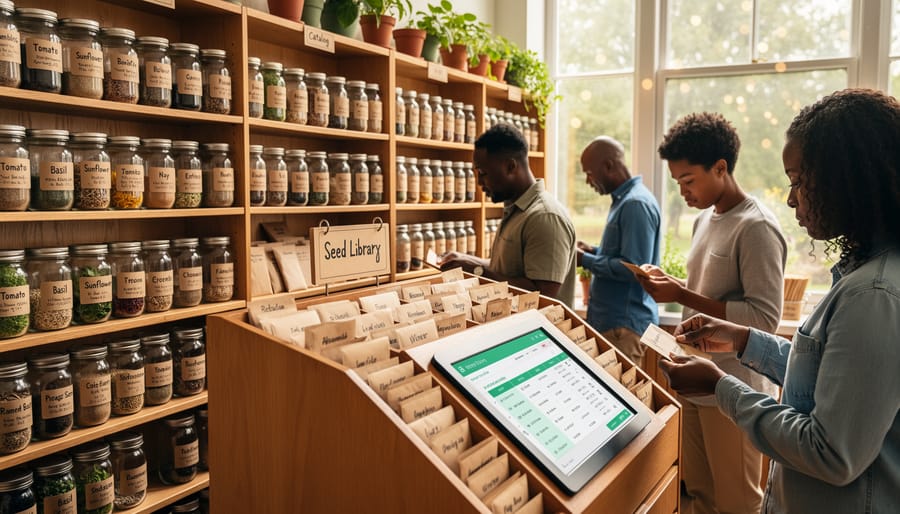
The Growing Network of Seed Libraries Across Australia
Success Stories from Australian Communities
Across Australia, seed libraries are flourishing in public libraries, creating vibrant hubs of environmental action and community connection. These success stories demonstrate the powerful impact of this grassroots movement.
The Yarra Plenty Regional Library in Melbourne’s northern suburbs launched their seed library in 2018 and has since distributed over 15,000 seed packets to local gardeners. Community members enthusiastically share heirloom varieties suited to Victoria’s climate, with participation increasing by 40% each year. Library staff report that the initiative has sparked conversations about food security and brought together gardeners of all experience levels, from apartment dwellers growing herbs on balconies to seasoned allotment holders.
In South Australia, the Port Adelaide Enfield Library’s seed collection has become a cornerstone of local sustainability efforts. Within two years, they’ve registered more than 800 active participants who regularly borrow and return seeds. The library partnered with local primary schools, introducing children to seed saving through hands-on workshops. Teachers noticed students developing stronger connections to where food comes from, while families reported starting vegetable gardens together at home.
The Sunshine Coast Libraries in Queensland took a creative approach by hosting monthly “seed swap socials” alongside their seed library. These gatherings attract 30-50 people each month, creating a welcoming space where experienced gardeners mentor newcomers. Participants share growing tips specific to Queensland’s subtropical climate, swap seedlings, and celebrate harvests together. The library documented a remarkable 90% seed return rate, proving that community trust and engagement drive success in these programs.
The Link Between Seed Libraries and Community Gardens
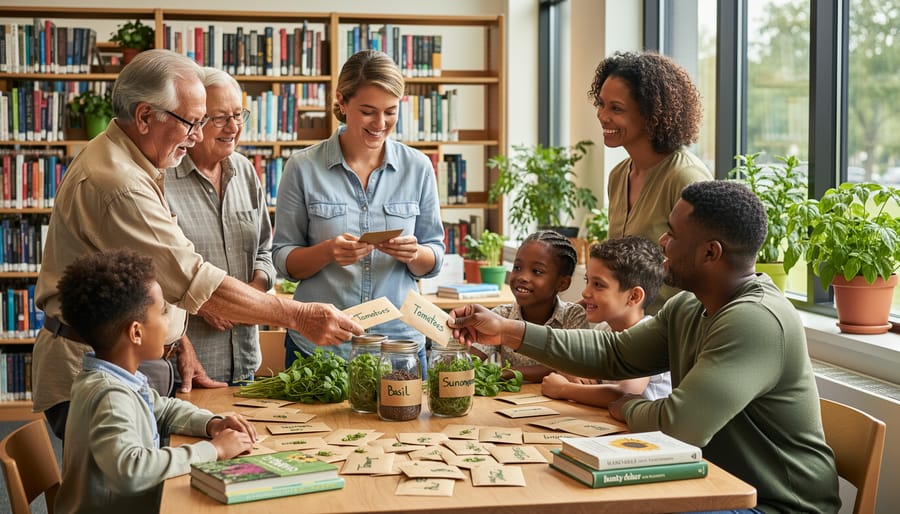
Seed libraries and community gardens form a natural partnership that strengthens local food systems across Australia. When public libraries provide free seeds, community gardens become the perfect testing grounds where neighbours can grow these varieties together, share knowledge, and eventually return seeds from their most successful plants.
This relationship creates a beautiful cycle of abundance. Library members borrow heritage tomato or native spinach seeds, nurture them in nearby community plots, then harvest and dry seeds at season’s end to replenish the library’s collection. It’s a practical example of how urban regeneration initiatives can transform underutilised spaces into thriving hubs of sustainability.
Many Australian seed libraries actively partner with local community gardens, hosting workshops on seed-saving techniques, composting, and adapting varieties to regional climates. These collaborations help gardeners develop skills while building seed diversity suited to Australian conditions, from Perth’s dry summers to Melbourne’s temperamental springs.
Community gardens also serve as demonstration sites where library patrons can see borrowed seeds in action before committing garden space at home. This hands-on connection reduces waste, builds confidence among beginner gardeners, and strengthens the bonds between library programs and grassroots environmental action.
Why Seed Libraries Matter for Australia’s Future
Preserving Australian-Adapted Seed Varieties
Australia’s diverse climate zones—from tropical Queensland to temperate Tasmania—demand seeds that can handle everything from scorching summers to unpredictable rainfall patterns. Unlike mass-produced commercial varieties bred for ideal conditions overseas, Australian-adapted seeds have proven themselves season after season in our unique environment.
This is where seed libraries become invaluable guardians of our horticultural heritage. Many commercial seed varieties simply don’t cope with our harsh UV levels, extended dry periods, or sudden weather shifts. Community members who’ve been growing vegetables here for decades often hold the key to varieties that genuinely thrive, not just survive.
Take the humble tomato, for instance. While a European heirloom might struggle in Perth’s summer heat, an Adelaide gardener might be cultivating a variety that’s been adapted over twenty years to withstand 40-degree days. When she shares those seeds through her local library, that resilience spreads through the community.
Seed libraries complement sustainable farming practices by operating on a micro-level, preserving genetic diversity one packet at a time. They’re living repositories where knowledge and adaptation merge, ensuring future generations can grow food suited to Australian conditions rather than relying solely on imported genetics that may falter as our climate continues changing.
Building Community Resilience and Food Sovereignty
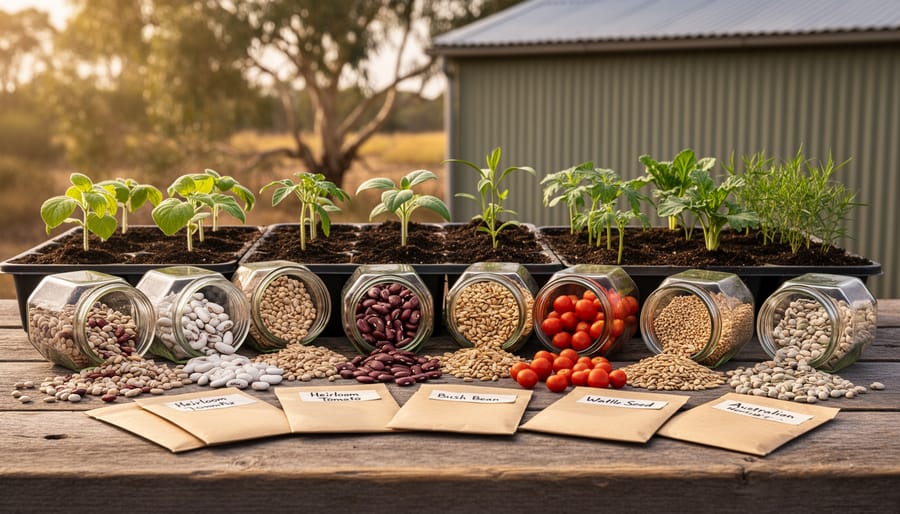
Seed libraries represent a powerful shift towards food sovereignty, placing control of our food systems back into community hands. When neighbours share seeds saved from their own gardens, they’re creating a living library of locally-adapted varieties that thrive in Australian conditions – from Queensland’s humidity to Victoria’s cool changes.
This grassroots movement builds something precious: resilience. Unlike commercial seed companies that might discontinue varieties or prioritise profit over performance, seed libraries preserve diverse genetics that communities have tested and trusted. When drought, pests, or changing climate conditions challenge our gardens, this diversity becomes our safety net.
The knowledge exchange happening around seed library shelves is equally valuable. A retired gardener in Bendigo shares tips for growing heritage tomatoes alongside a young family starting their first veggie patch. Indigenous seed-saving wisdom meets permaculture techniques, creating rich conversations that strengthen community bonds.
These connections extend beyond the library walls. Seed library members often form gardening groups, organise seed swaps, and support each other through seasonal challenges. In Lismore, seed library participants rallied together after the 2022 floods, sharing surviving seeds to help the community rebuild their gardens and food security.
By participating in seed libraries, Australians aren’t just growing vegetables – they’re cultivating independence, knowledge, and community connections that nourish us in more ways than one.
Environmental Benefits and Biodiversity Protection
Seed libraries offer remarkable environmental benefits that extend far beyond your local garden. By preserving heritage and open-pollinated varieties, these community initiatives protect Australia’s agricultural biodiversity at a time when commercial seed companies focus on just a handful of uniform varieties. When you borrow seeds from a library and save seeds from your best-performing plants, you’re actively participating in conservation efforts that maintain genetic diversity crucial for food security.
The environmental advantages are tangible and immediate. Seed libraries eliminate single-use plastic packaging typical of commercial seed packets, significantly reducing waste in our communities. They encourage organic, chemical-free gardening practices since seed savers quickly learn that pesticide-free plants produce healthier seeds for future generations. This creates a ripple effect, with more Australian gardens becoming havens for beneficial insects, birds, and local wildlife.
Perhaps most inspiring is how seed libraries help plants adapt to local conditions. Seeds saved year after year from your region develop resilience to your specific climate, soil, and seasonal patterns, creating stronger food systems that require fewer resources and external inputs.
How to Use a Seed Library (And What to Expect)
Getting started with your local seed library is wonderfully straightforward, and most libraries welcome newcomers with open arms. Here’s what you need to know to become part of this growing community movement.
First, check whether your local library or nearby community garden hosts a seed library. Many Australian councils now list seed libraries on their websites, or you can simply ring your local branch and ask. Once you’ve located one, pop in during opening hours to see what’s available. Most seed libraries operate on an honour system, requiring nothing more than your library membership card or a simple registration form.
The seed selection typically reflects what grows well in your local climate, which is particularly helpful for Australian gardeners navigating our diverse growing zones. You’ll often find heritage varieties of vegetables like tomatoes, beans, lettuce, and pumpkins, alongside flowers such as marigolds and zinnias. Some libraries even stock native plant seeds, perfect for supporting local biodiversity.
When borrowing seeds, take only what you can realistically plant. Start small if you’re new to gardening – perhaps two or three packets to begin with. Most seed libraries ask that you plant the seeds, let some plants go to seed, and return fresh seeds to the library at season’s end. Don’t worry if this doesn’t happen in your first year; the system thrives on generosity and learning, not rigid rules.
Basic seed saving is easier than you might think. For beginners, tomatoes, beans, and lettuce are forgiving teachers. Simply let a few healthy plants mature completely, collect the dried seeds, and store them in paper envelopes labelled with the variety name and collection date. Many seed libraries run workshops on seed saving techniques, offering hands-on guidance that builds your confidence.
Contributing back creates a beautiful cycle of abundance. Even if your first harvest doesn’t yield seeds to return, you can participate by sharing your gardening experiences, volunteering at seed library events, or donating purchased seeds of varieties the library needs.
The real magic happens when you realise you’re not just borrowing seeds – you’re joining a community of growers who believe in sharing, learning together, and nurturing both gardens and connections that strengthen our local food systems.
Starting a Seed Library at Your Local Public Library
Getting Your Library on Board
Getting library management excited about seed libraries starts with understanding their priorities. Most Australian libraries are passionate about community engagement and sustainability initiatives, so frame your proposal around these values. Begin by researching whether any libraries in your state already run successful seed programs – concrete local examples build confidence.
When presenting your idea, highlight the benefits: seed libraries attract new visitors, foster community connections, and position the library as an environmental leader. They’re also surprisingly budget-friendly, often requiring minimal space and resources to launch. Address practical concerns upfront. Acknowledge questions about viability, ongoing maintenance, and community interest by presenting solutions. Offer to coordinate volunteers, source initial seed donations from local gardening groups, or run a pilot program to test community response.
Build a compelling proposal that includes clear objectives, a simple operating model, and realistic resource requirements. Include testimonials from other Australian libraries running seed programs, estimated costs (often under five hundred dollars to start), and proposed locations within the library. Emphasise the partnership opportunities with local environmental groups, gardening clubs, and sustainability organisations who might support or sponsor the initiative.
Most importantly, demonstrate community demand through surveys, petition signatures, or letters of support from local residents. When library management sees genuine community enthusiasm paired with practical planning, your seed library vision becomes far more achievable.
Setting Up Your Seed Collection
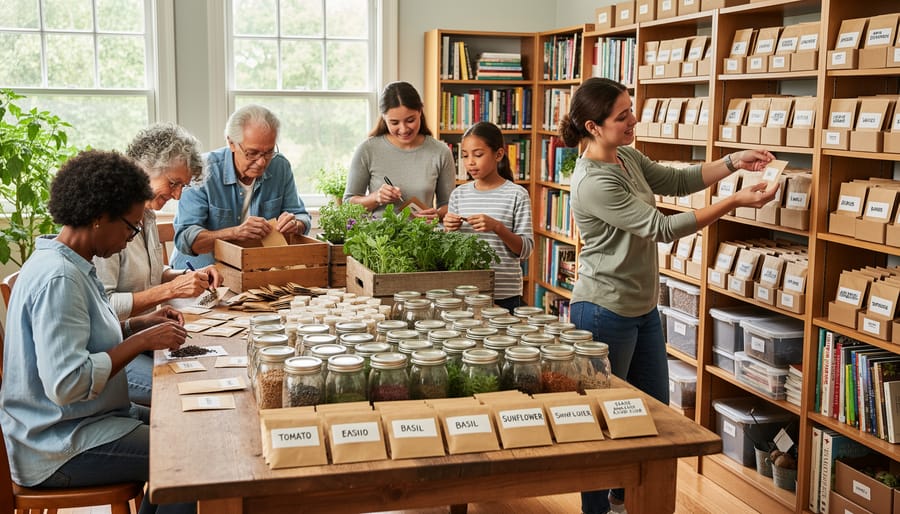
Starting your seed library doesn’t require fancy systems or expensive equipment. Begin with a simple cataloging approach using small envelopes or paper bags labeled with seed variety, planting dates, and basic growing notes. Many Australian libraries use repurposed card catalogs or simple filing boxes, creating a charming aesthetic while keeping costs minimal.
Storage is crucial in our variable climate. Keep seeds in a cool, dry space away from direct sunlight. Small glass jars with silica gel packets work brilliantly, or invest in a modest filing cabinet dedicated to your collection. Temperature fluctuations are your enemy, so avoid outdoor sheds unless they’re well-insulated.
Source your initial collection from reputable Australian seed companies specializing in open-pollinated and heirloom varieties. Connect with local gardening groups and experienced growers who understand your region’s conditions. Consider partnering with community gardens where members can trial varieties and return viable seeds.
Choose regionally appropriate plants that thrive in your local climate zones. For coastal communities, salt-tolerant varieties matter. Inland regions need drought-hardy options. Include easy-to-save seeds like tomatoes, beans, and lettuce for beginners, alongside native edibles that support local biodiversity. Remember, your collection will grow organically as community members contribute their successful harvests, building a living library perfectly adapted to your unique Australian environment.
Engaging Your Community
Getting your seed library buzzing with activity starts with spreading the word through your local networks. Share news through the library’s social media channels, community newsletters, and partnerships with local environmental groups. Consider hosting a launch event where community members can learn about seed saving while enjoying a casual cuppa and chat about their gardening experiences.
Workshops are the heartbeat of thriving seed libraries. Run regular sessions on topics like seed saving basics, companion planting for Australian climates, and preserving heirloom varieties suited to your region. These gatherings naturally build connections between experienced gardeners and enthusiastic beginners, creating a knowledge-sharing network that strengthens over time.
Partnering with community gardens, local schools, and gardening clubs multiplies your impact. These collaborations can provide demonstration spaces, additional volunteer support, and opportunities to showcase what successful community sustainability projects look like in action. Consider establishing a volunteer roster for seed cataloguing, garden maintenance, and workshop coordination.
Building a sustainable volunteer base requires clear roles, regular appreciation events, and opportunities for volunteers to develop new skills. When people feel valued and connected to your seed library’s purpose, they become passionate ambassadors who naturally attract others to this rewarding community initiative.
Common Questions About Seed Libraries in Australia
If you’re curious about seed libraries but have a few questions holding you back, you’re not alone. Many Australians wonder about the practicalities before diving in, so let’s address the most common concerns.
Is seed sharing legal in Australia? Absolutely. Seed libraries operate perfectly within Australian law when sharing open-pollinated and heritage varieties. You’re simply exchanging seeds between community members, much like swapping cuttings with a neighbour over the fence. However, seed libraries don’t distribute hybrid varieties protected by Plant Breeder’s Rights, and they steer clear of genetically modified seeds. This keeps everything straightforward and community-focused.
What about seed viability? Fresh seeds generally have excellent germination rates, but viability does decrease over time. Most seed libraries include harvest dates on packets, helping you make informed choices. Tomatoes, beans, and lettuce seeds typically remain viable for three to five years when stored properly in cool, dry conditions. The beauty of seed libraries is that they encourage regular circulation, meaning you’re usually accessing relatively fresh stock.
How do libraries manage pests and diseases? Reputable seed libraries provide clear guidelines for seed savers. You’ll be asked to only save seeds from healthy, disease-free plants and to properly dry seeds before packaging. Most libraries supply information sheets on basic seed cleaning techniques. This community responsibility keeps the collection thriving for everyone.
Which seeds suit beginners best? Start with reliable performers like cherry tomatoes, basil, lettuce, and zucchini. These forgiving varieties grow well across most Australian climates and produce seeds that are simple to collect. Many seed libraries label packets with difficulty levels, taking the guesswork out of selection.
When should I borrow seeds? Timing depends on your location. Southern gardeners typically plant cool-season crops like peas and broad beans from April to June, while tropical gardeners in the north enjoy year-round growing. Your local seed library often provides regional planting calendars, connecting you with the seasonal rhythms of your area. Don’t hesitate to chat with library volunteers—they’re genuinely enthusiastic about helping newcomers succeed.
Seed libraries represent more than just a collection of seeds on library shelves—they’re a powerful catalyst for reconnecting Australian communities with food sovereignty, environmental stewardship, and the simple joy of growing. Every packet borrowed, every seed saved, and every story shared creates ripples that extend far beyond individual gardens, contributing to biodiversity preservation and promoting sustainable living across our neighbourhoods.
The beauty of seed libraries lies in their accessibility. You don’t need a large backyard or expert knowledge to participate. Starting small—perhaps with a few tomato seeds or native wildflowers—is enough to join this growing movement. Whether you’re visiting your local library to borrow seeds, saving and returning your harvest, or inspired to establish a seed library in your community, your contribution matters.
These small actions, multiplied across countless homes and communities, create meaningful change. They preserve heirloom varieties, reduce our reliance on commercial seed companies, and strengthen the networks that make our communities resilient. So take that first step today: visit your nearest seed library, share your gardening experiences, or gather fellow enthusiasts to start one. Together, we’re cultivating not just gardens, but a more sustainable and connected Australia.