
Australia’s fish stocks aren’t just a resource to be harvested, they’re a living system that, when managed properly, can feed communities indefinitely while supporting healthy ocean ecosystems. Sustainable fisheries are managed fisheries that maintain fish populations at levels where they can reproduce and thrive, ensuring both ecological health and long-term economic viability for the fishing industry. In Australia, this means strict science-based quotas, seasonal closures, gear restrictions, and habitat protection measures overseen by federal and state agencies working alongside Indigenous communities and commercial operators.
The framework works because it balances three critical needs: ecological sustainability, economic return, and social wellbeing. Our waters are home to some of the world’s best-managed fisheries, from Southern Bluefin Tuna to Western Rock Lobster, with around 90% of Commonwealth-managed stocks sitting at sustainable levels in 2026. This success stems from Australia’s commitment to adaptive management, using real-time data to adjust catch limits, protect spawning grounds, and respond quickly when stocks show signs of decline.
Whether you’re a commercial fisher navigating certification requirements, a seafood business seeking sustainable suppliers, or simply someone who wants to make better choices at the fish counter, understanding how sustainable fisheries operate in Australia helps you participate in one of the nation’s most important conservation success stories. The system relies on everyone playing their part, from fishers respecting quotas to consumers choosing certified sustainable seafood, creating a cycle where healthy oceans support thriving coastal communities for generations to come.
What Are Sustainable Fisheries?
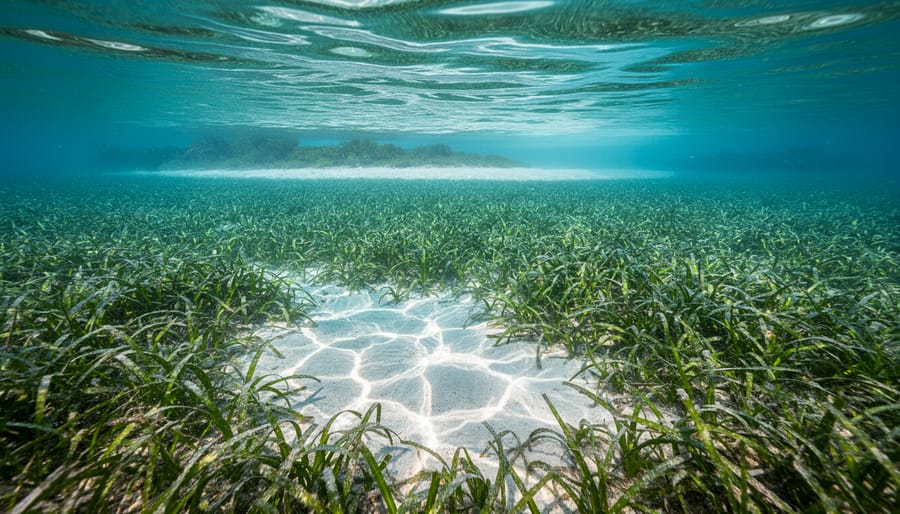
Sustainable fisheries are fishing operations designed to harvest seafood indefinitely without depleting fish populations, damaging marine ecosystems, or compromising the livelihoods of fishing communities. Unlike overfishing, which extracts more fish than a population can replace through natural reproduction, sustainable fishing maintains stocks at healthy levels while supporting both ocean health and the people who depend on the sea.
At their core, sustainable fisheries rest on three interconnected principles. First, they maintain fish stocks above levels that can produce maximum sustainable yield, ensuring fish populations remain abundant enough to reproduce and support future harvests. Second, they protect marine habitats by minimizing damage to seafloor ecosystems, reducing bycatch of non-target species, and preserving critical breeding and nursery areas. Third, they support fishing communities by providing stable employment, fair economic returns, and meaningful participation in management decisions.
Australia has developed a sophisticated approach to fisheries management that integrates scientific research with adaptive policy. The Maximum Sustainable Yield framework sets catch limits based on the largest amount of fish that can be harvested year after year without causing population decline. Scientists conduct regular stock assessments using data from commercial catches, research surveys, and increasingly sophisticated models to track fish abundance, reproduction rates, and mortality. When assessments reveal a stock is under pressure, managers adjust quotas, seasonal closures, or fishing methods.
Ecosystem-based management takes this further by considering the broader marine environment. Rather than managing each species in isolation, Australian regulators examine how fishing affects entire food webs, predator-prey relationships, and habitat health. This might mean protecting forage fish that larger species depend on, or restricting fishing gear that damages coral reefs or seagrass beds.
Sustainable Fisheries Science and Marine Policy in Australia brings together researchers, government agencies, industry representatives, and Indigenous communities in an ongoing cycle of monitoring, assessment, and adaptation. Real-time data from electronic logbooks and onboard observers feed into models that forecast stock trajectories. When new information emerges about climate impacts, shifting fish distributions, or ecosystem changes, policies adjust accordingly. This responsive system allows Australia to maintain productive fisheries while protecting marine biodiversity, creating a model that balances environmental stewardship with the economic needs of coastal communities.
Australia’s Sustainable Fisheries Framework
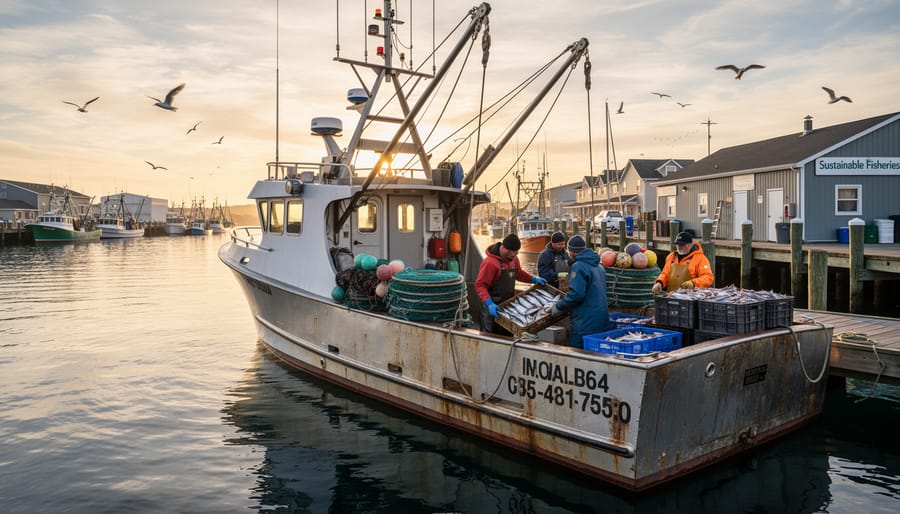
Australia’s sustainable fisheries operate within a layered regulatory framework that balances federal oversight with state-based management, creating a comprehensive system designed to protect marine resources while supporting fishing livelihoods. At the federal level, the Australian Fisheries Management Authority (AFMA) manages commercial fisheries in Commonwealth waters, generally beyond three nautical miles from shore, implementing science-based catch limits and monitoring compliance. AFMA works under the Fisheries Management Act 1991 and the Environment Protection and Biodiversity Conservation (EPBC) Act 1999, which together ensure that fishing activities don’t threaten protected species or critical habitats.
State and territory fisheries departments oversee waters closer to shore, managing both commercial and recreational fishing through licensing systems tailored to local ecosystems. Each state, from Western Australia to Queensland, sets its own rules for catch limits, gear restrictions, and seasonal closures, though they increasingly coordinate with federal agencies to maintain consistency across jurisdictions. This dual structure means a fisher operating in multiple zones must navigate both Commonwealth and state regulations, but it also allows for responsive management that reflects regional conditions and community needs.
The Commonwealth Fisheries Harvest Strategy Policy, introduced in 2007 and revised in subsequent years, sets the foundation for Australia’s science-driven approach. It mandates that fish stocks be maintained at or above the level that produces Maximum Sustainable Yield, with built-in buffers to account for environmental variability and scientific uncertainty. Fisheries must operate according to harvest strategies that specify target and limit reference points, with clear decision rules for reducing catch when stocks decline. This policy has earned international recognition for its transparency and effectiveness, helping Australian fisheries avoid the collapses seen elsewhere.
| Level/Scheme | Key Responsibilities | Main Policies/Standards |
|---|---|---|
| AFMA (Federal) | Commonwealth waters management, catch limits, compliance | Harvest Strategy Policy, EPBC Act, quota systems |
| State Fisheries | Coastal zone management, licensing, recreational fishing | State-specific regulations, marine parks, seasonal closures |
| MSC Certification | Independent verification of sustainable practices | Three core principles: stock health, ecosystem impact, effective management |
Beyond government regulation, third-party certification through the Marine Stewardship Council provides market-based incentives for sustainable practices. Australian fisheries that achieve MSC certification, including Southern Rocklobster and several tuna operations, gain access to premium markets and can use the distinctive blue fish label, signaling to consumers that their seafood comes from well-managed sources. The certification process involves rigorous independent audits against MSC’s three principles: healthy fish stocks, minimal environmental impact, and effective management systems.
Community-led initiatives add another vital layer to Australia’s framework. Coastal communities often drive local stewardship efforts, establishing marine protected areas or voluntary fishing codes that exceed regulatory minimums. Indigenous fisheries management represents a growing force in sustainable practices, with Aboriginal and Torres Strait Islander communities reclaiming traditional fishing rights and applying millennia of ecological knowledge to modern conservation challenges. Programs like Indigenous Protected Areas and Sea Country management plans integrate cultural practices with contemporary science, creating management approaches that honor connection to Country while ensuring fish stocks remain healthy for future generations.
Who Can Participate: Eligibility for Sustainable Fisheries Programs
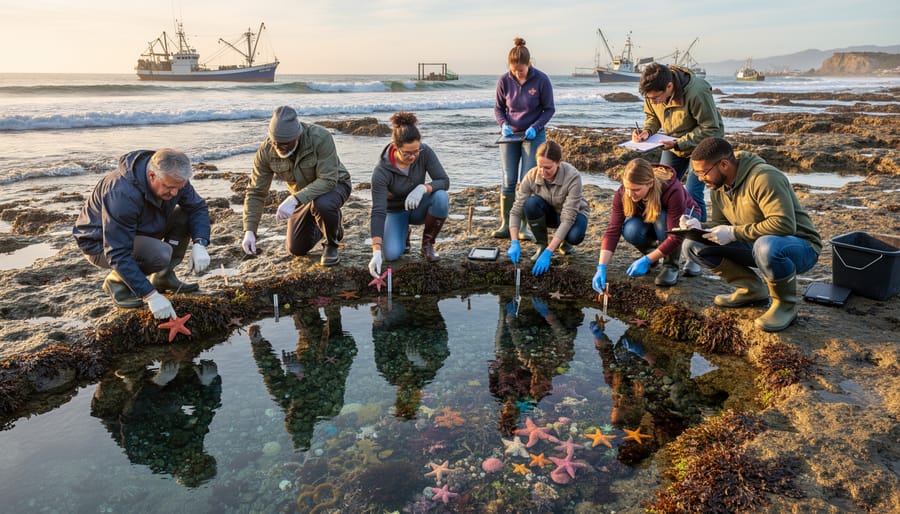
Sustainable fisheries programs in Australia are open to a broad range of participants, each playing a distinct role in protecting marine resources. Whether you’re a commercial operator hauling nets off the Queensland coast, a weekend angler, or a seafood retailer looking to source responsibly, there’s a pathway for you to contribute, and often benefit from, the shift toward sustainable practices.
Commercial Fishers
Commercial fishing operations form the backbone of sustainable fisheries initiatives. To participate, you’ll need a valid commercial fishing license issued by the relevant state or territory authority, or a Commonwealth fishing permit from AFMA for operations in federal waters. Your vessel must be registered and meet safety standards. For certification programs like Marine Stewardship Council (MSC) or the Aquaculture Stewardship Council (ASC) for farmed seafood, your operation must demonstrate compliance with catch reporting requirements, adherence to quotas, and a clean record, typically three years without major breaches of fisheries regulations. MSC certification specifically requires that your fishery is well-managed, maintains healthy fish stocks, and minimises environmental impact on marine habitats and non-target species.
Recreational Fishers and Indigenous Communities
Recreational fishers participate primarily through adherence to bag limits, size restrictions, and seasonal closures that support stock recovery. While you won’t typically seek formal certification, your engagement with community science programs, like AFMA’s recreational catch surveys, strengthens data collection for sustainable management. Indigenous communities hold unique rights under native title and traditional fishing agreements. Many Indigenous ranger programs now integrate traditional ecological knowledge with modern fisheries science, creating opportunities for co-management arrangements that respect cultural practices while safeguarding marine ecosystems for future generations.
Seafood Businesses and Processors
Retailers, restaurants, and seafood processors can participate by sourcing from certified sustainable fisheries or pursuing Chain of Custody certification, which traces products from ocean to plate. This parallels how some businesses turn waste into wealth through circular economy principles, demonstrating environmental responsibility can unlock new markets and customer loyalty.
Eligibility Across Participant Types
Key criteria vary by role but share common threads:
- Commercial operators: valid license, vessel registration, three-year compliance history, adherence to quotas and reporting requirements
- Recreational fishers: current fishing license (where required), commitment to bag and size limits, participation in voluntary reporting programs
- Seafood retailers: Chain of Custody certification, traceability systems, sourcing from certified fisheries or farms
- Community groups: partnership with fisheries authorities, demonstrated capacity for monitoring or education programs, alignment with regional management plans
Grant programs through the Fisheries Research and Development Corporation (FRDC) and state agencies often require applicants to show a commitment to best practices, such as using selective fishing gear, reducing bycatch, or participating in stock assessments. The threshold isn’t perfection, it’s a willingness to adapt, measure impact, and collaborate with scientists and regulators to improve outcomes over time.
How to Apply for Sustainable Fisheries Certification and Support
Obtaining sustainable fisheries certification involves a structured process that begins long before formal application. Commercial fishers and seafood businesses should start by conducting an internal assessment of their current practices against sustainability benchmarks. Contact the Marine Stewardship Council (MSC) or your state fisheries department to arrange a confidential pre-assessment. This initial review, typically lasting three to six months, identifies gaps in your operations, such as incomplete catch data, weak stock monitoring, or missing traceability systems, and provides a roadmap for meeting full assessment standards.
Once you’ve addressed the pre-assessment findings, engage an accredited certifying body to begin the full MSC assessment. This phase examines three core areas: the health of target fish stocks, the impact of fishing on marine ecosystems, and the effectiveness of your fishery’s management system. Assessors review your catch logs, bycatch records, and vessel monitoring data, often conducting site visits and consulting with scientists, fisheries managers, and stakeholders. The process usually takes 12 to 18 months and costs vary widely depending on fishery size and complexity, small-scale operators should budget between $15,000 and $50,000, while larger commercial fisheries may face costs exceeding $100,000.
Prepare comprehensive documentation to support your application. You’ll need at least three years of catch and effort data, environmental impact assessments detailing interactions with protected species and habitats, a fishery management plan showing how you comply with quota systems and seasonal closures, and evidence of stakeholder consultation. If your operation already aligns with business sustainability principles in other areas, highlight those systems, robust record-keeping and environmental management practices strengthen your case.
For financial support, explore grants through the Fisheries Research and Development Corporation (FRDC), which funds projects that advance sustainable practices, gear innovation, and environmental monitoring. Applications open annually, typically in March or April, with funding decisions announced within four to six months. State-based programs, such as New South Wales’s Commercial Fisheries Business Adjustment Program or Queensland’s Sustainable Fisheries Strategy grants, offer assistance for gear upgrades, habitat restoration projects, or transitioning to lower-impact methods. Check your state fisheries website for current offerings, as eligibility criteria and funding cycles differ.
Working with experienced consultants can streamline certification. Look for advisors with fisheries science backgrounds who understand Australian regulations and MSC standards. They’ll help collate evidence, liaise with auditors, and flag potential issues early. Once certified, you’ll undergo annual surveillance audits and a full reassessment every five years to maintain your status, a commitment that pays off through premium market access and consumer trust.
Rights and Obligations for Sustainable Fishery Operators
Operating a certified sustainable fishery in Australia comes with meaningful benefits and equally important responsibilities. Understanding both ensures operators maintain their certification and continue contributing to healthy marine ecosystems.
What You Gain as a Certified Operator
Certification unlocks tangible commercial advantages. You’re authorised to use recognised certification marks, most notably the blue MSC label, on your products and marketing materials, signalling to consumers and buyers that your seafood meets rigorous environmental standards. This access opens doors to premium markets domestically and internationally, where sustainability credentials command higher prices and strengthen retailer relationships.
Many certified operators also qualify for targeted support programs. State and federal initiatives may offer grants for gear upgrades, technology investments, or research partnerships through bodies like the FRDC. Some insurance providers extend preferential rates to certified operations, recognising lower risk profiles associated with sustainable practices.
Your Core Obligations
Certification means strict adherence to science-based catch limits set through stock assessments and harvest strategies. You must implement selective fishing methods that minimise bycatch and habitat damage, similar to how industries adopt water efficiency measures to reduce environmental impact while maintaining productivity.
Mandatory reporting and monitoring are non-negotiable. This includes logbook entries, vessel monitoring systems, and observer programs where applicable. You’ll participate in ongoing stock assessments, providing data and cooperating with researchers conducting surveys. Full cooperation during annual or periodic audits is essential, auditors will verify your practices against certification standards, review documentation, and may conduct vessel inspections.
Consequences of Non-Compliance
Breaching these obligations has serious repercussions. Minor infractions might trigger additional monitoring or corrective action plans. Significant violations, repeated quota breaches, falsified reports, or fishing in closed areas, result in suspension or permanent revocation of both certification and fishing licenses. AFMA and state authorities coordinate enforcement, and penalties accumulate: you lose market access, face financial sanctions, and damage your operation’s reputation, often irreparably.
Where to Get Help and Resources
Fishers and businesses looking to adopt sustainable practices have access to a wide range of support from government agencies, industry bodies, and community programs across Australia. Whether you’re seeking certification, funding, technical advice, or simply want to connect with others on the same journey, these resources can guide you through every step.
Start with the Australian Fisheries Management Authority (AFMA), which oversees Commonwealth fisheries and provides comprehensive information on sustainable management practices, licensing, and compliance. Each state and territory also operates its own fisheries department, such as NSW DPI Fisheries, Queensland Fisheries, and Western Australian Fisheries, offering region-specific guidance, stock reports, and licensing support tailored to local conditions.
For fishers and seafood businesses pursuing certification or seeking funding for sustainability initiatives, these official portals are essential starting points:
- AFMA website: Stock status reports, harvest strategies, and Commonwealth fisheries regulations
- State fisheries portals: Licensing information, regional management plans, and local compliance requirements
- Marine Stewardship Council (MSC) Australia: Certification process guides, pre-assessment tools, and certified fishery listings
- Fisheries Research and Development Corporation (FRDC): Grants database, research publications, and extension programs for innovation
- Indigenous fisheries programs: Caring for Country initiatives, Indigenous Ranger programs, and culturally appropriate fisheries management resources
Industry associations like the Commonwealth Fisheries Association, Seafood Industry Australia, and regional fishing cooperatives offer peer support, advocacy, and collective bargaining power. Many run workshops, training sessions, and mentorship programs that connect experienced operators with those new to sustainable practices. Extension services through universities and research institutions provide hands-on technical assistance, from improving catch methods to implementing traceability systems. Regional hubs and sustainability networks often host community forums where fishers, scientists, and policymakers collaborate on practical solutions tailored to local fisheries and ecosystems.
Frequently Asked Questions About Sustainable Fisheries in Australia
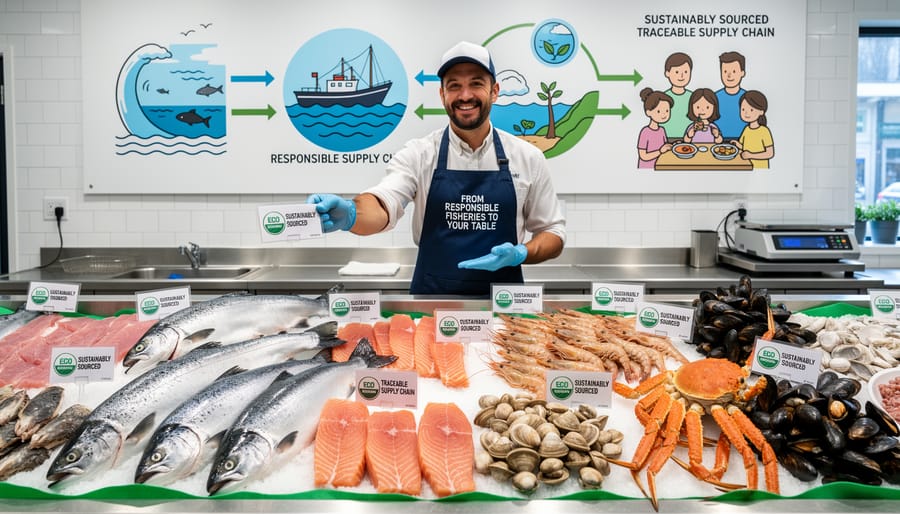
How do I know if a fishery is sustainable?
Check for Marine Stewardship Council (MSC) certification or look up the fishery’s status on AFMA’s stock status reports, available through their online portal. You can also consult state fisheries departments, which publish regular assessments showing whether fish stocks are above sustainable levels and managed with appropriate catch limits.
Can small-scale operators afford certification?
MSC certification can be costly for individual small operators, but many join fishery improvement projects or pursue group certification to share costs. State governments and FRDC offer grants specifically to help small-scale fishers transition to sustainable practices, and some regional programs provide subsidised pre-assessments.
What’s the difference between wild-caught and farmed sustainable seafood?
Wild-caught sustainable seafood comes from fisheries managed to maintain healthy fish populations and protect marine habitats, while sustainable aquaculture involves farmed seafood produced with minimal environmental impact, including responsible feed sourcing, disease management, and cutting water use. Both can be sustainable when properly managed and certified.
How long does certification take?
The full MSC certification process typically takes 12 to 18 months from initial pre-assessment through to final decision. This includes data collection, stakeholder consultation, and independent auditing, though the timeline can extend if additional information is required or if the fishery needs to implement improvements before approval.
Are there financial incentives for sustainable practices?
Yes. Certified sustainable fisheries often command premium prices in domestic and export markets, and operators may access grants through FRDC, state-based sustainability programs, and industry development funds. Some fisheries also benefit from reduced insurance premiums and preferential access to certain fishing zones or quotas as recognition of their stewardship.
These questions reflect the real concerns of Australians navigating the sustainable fisheries landscape, whether you’re a fisher weighing the investment in certification, a business sourcing responsible seafood, or a consumer trying to make informed choices at the market. The answers point you toward practical next steps: checking official resources, exploring group certification options, understanding the distinctions between wild and farmed options, and recognising that sustainable practices can deliver both environmental and economic returns. With the right support and information, participating in Australia’s sustainable fisheries is accessible across all scales of operation.
Australia’s marine ecosystems are among the world’s most productive and biodiverse, supporting not only countless species but also the livelihoods of thousands in coastal communities. Sustainable fisheries aren’t just an environmental ideal, they’re essential for keeping our oceans healthy and our seafood industry viable for generations to come.
The good news? Every Australian has a role to play. If you’re a commercial fisher, pursuing MSC certification or participating in stock assessments strengthens both your business and the broader industry. Seafood businesses that prioritise sustainably certified products send a powerful market signal that responsible practices matter. And as consumers, choosing seafood with credible eco-labels or asking your fishmonger about sourcing creates demand that drives real change.
Sustainable fisheries management is a shared responsibility. It relies on fishers respecting catch limits, scientists providing accurate data, policymakers enacting evidence-based regulations, and communities staying informed and engaged. When we all contribute, whether through compliance, advocacy, or purchasing decisions, we protect the marine environments that define Australia’s coastline and culture.
The work isn’t finished, but the frameworks, support systems, and community commitment are already in place. By choosing sustainable practices and products, you’re investing in thriving oceans, resilient coastal towns, and a seafood legacy your grandchildren can enjoy. Our oceans have given us so much. Now it’s our turn to give back.