
VPP credits are financial incentives paid to Australian households and businesses that connect their home battery to a virtual power plant, allowing the network to draw on stored energy during peak demand periods. By joining a VPP, you’re essentially leasing a portion of your battery’s capacity to help stabilise the grid when it needs it most, and you get compensated for that contribution. It’s a partnership where your solar battery becomes part of a larger energy solution, one that’s helping Australia transition away from fossil fuel peaker plants while putting money back in your pocket.
Here’s what makes VPP participation compelling in 2026: the programs are real, established, and expanding. New South Wales’ Peak Demand Reduction Scheme, which started in 2022 and runs until 2050, offers incentives specifically for VPP-connected batteries. From July 2026, batteries up to 50 kWh now qualify, opening the door for more households. The Energy Security Safeguard, with updated rules from September 2026, further supports this shift. The technical requirement is straightforward: your battery must be internet-connectable and controllable by a Demand Response Aggregator, the entity that orchestrates when and how much energy the VPP can access.
The value proposition varies depending on your provider, battery size, and how often your VPP is called upon, but the broader picture is clear. You’re not just offsetting your solar investment faster. You’re joining a community-scale effort to reduce reliance on coal and gas during those scorching summer evenings when air conditioners strain the grid. VPP credits turn individual rooftop solar and battery systems into collective infrastructure, rewarding participants for being part of the solution. Whether VPP participation is right for you depends on your energy habits, contract terms, and how much control you’re comfortable sharing, but understanding the mechanics is the first step.
What VPP Credits Actually Are
VPP credits are payments you receive for allowing your home battery to be part of a coordinated network that helps stabilize Australia’s electricity grid. When you join a virtual power plant program, you’re essentially leasing a portion of your battery’s capacity to an aggregator, a company that bundles together hundreds or thousands of residential batteries and operates them as a single resource during times of peak demand.
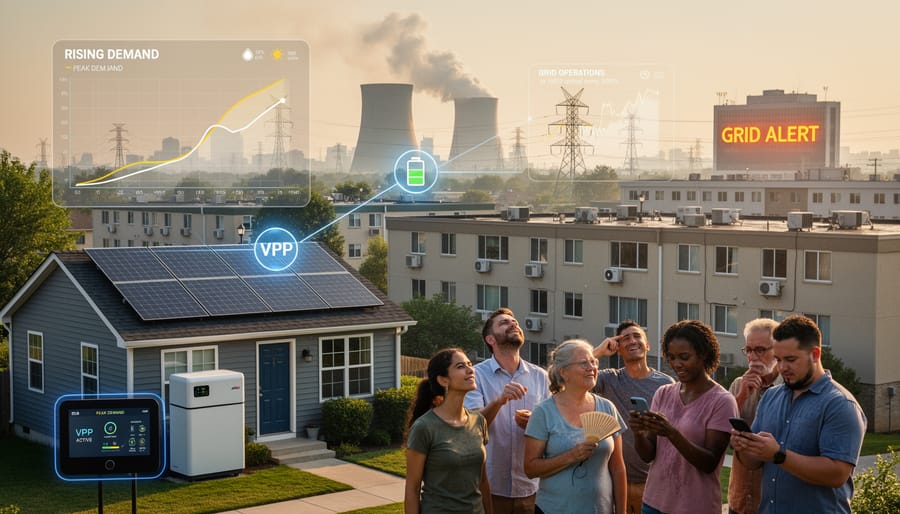
Here’s how it works in practice. On a scorching January afternoon when air conditioners across Sydney are running full tilt, the electricity grid faces enormous strain. Rather than firing up expensive backup power stations, aggregators can discharge stored energy from participating home batteries across the city. Your battery contributes its share, perhaps a few kilowatt-hours, alongside thousands of others, collectively easing the pressure on the grid. In return, the aggregator pays you credits for making your battery available and responsive to these dispatch events.
This arrangement benefits everyone involved. Energy retailers and aggregators pay for battery orchestration because it’s considerably cheaper than purchasing peak power from the wholesale market or building new infrastructure. Grid operators value the rapid response batteries provide, they can be activated within seconds to smooth out demand spikes. And you receive compensation for a resource that would otherwise sit idle much of the time.
VPP credits differ fundamentally from solar feed-in tariffs. Feed-in tariffs pay you for excess solar energy you export to the grid during sunny daytime hours. VPP credits, by contrast, reward you for making your battery storage available during critical peak periods, typically summer evenings when solar production has stopped but demand remains high. You’re being compensated not just for energy, but for demand response capability: the ability to help balance the grid precisely when it matters most.
Under Australia’s Peak Demand Reduction Scheme, established in 2021, these programs have formal regulatory support. The scheme provides financial incentives to reduce consumption during high-demand periods, and battery-based VPPs are a core part of that strategy.
How VPP Credit Programs Work in Australia
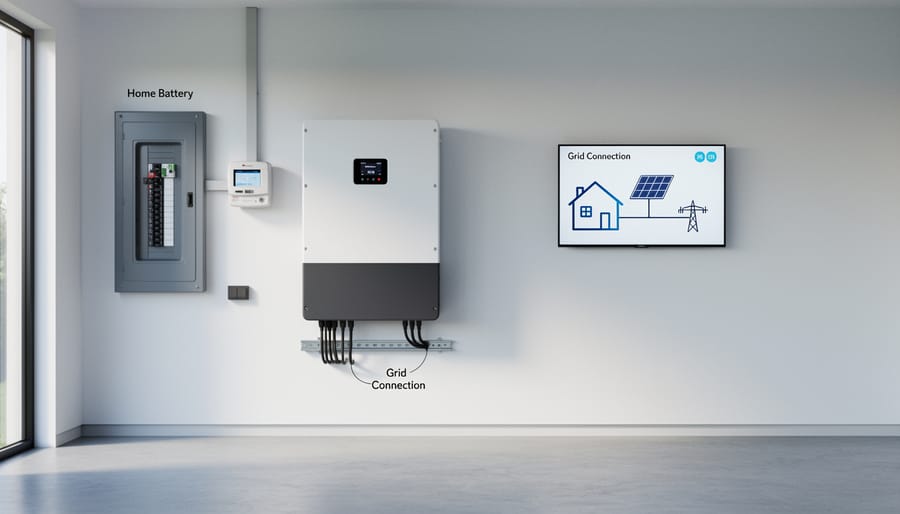
Joining a VPP program transforms your home battery from a passive storage device into an active contributor to Australia’s energy grid. The process is straightforward, but understanding how aggregators orchestrate your battery and when they call upon it helps you make an informed decision about participation.
The connection process follows a clear sequence:
- Install an eligible battery that meets PDRS technical requirements, including internet connectivity and controllability by a Demand Response Aggregator.
- Sign up with a VPP aggregator (often through your energy retailer or a specialist provider) and connect your battery to their platform via your home internet.
- Your battery responds automatically to demand signals during peak periods, discharging stored energy when the grid needs support.
- Receive credits through your electricity bill or direct payments, calculated based on your program’s structure and your battery’s contribution.
Once connected, your battery operates within parameters you’ve agreed to. Aggregators typically dispatch batteries during summer evenings when air conditioning drives demand skyward, or during heatwaves when the grid is under strain. These events might last a few hours and occur anywhere from a handful to dozens of times per summer, depending on weather conditions and grid requirements.
The dispatch process is automated. When the aggregator sends a signal, your battery management system responds by releasing energy into your home or, in some configurations, back to the grid. The system respects your household’s immediate needs first. If you’re running appliances or your solar panels aren’t producing enough power, the battery prioritizes keeping your lights on before contributing to grid stability.
Credit calculation varies by aggregator and program design. Some track each kilowatt-hour your battery contributes during demand response events and calculate credits based on that export. Others pay a regular amount for making your battery’s capacity available, regardless of how often it’s called upon. A third model combines both approaches, rewarding availability and actual contribution.
This framework sits within the Peak Demand Reduction Scheme, established in September 2021 to incentivize demand flexibility. The PDRS runs to 2050 providing long-term policy certainty for households and aggregators building VPP networks. The scheme’s 2027/28 target of 8.5% peak demand reduction reflects the ambitious role household batteries play in Australia’s energy transition.
Your aggregator provides a dashboard or app showing when your battery was dispatched, how much energy it contributed, and the credits earned. Transparency matters. You should be able to see your battery’s activity and understand exactly how your participation translates into financial return.
What Makes a Battery Eligible for VPP Credits
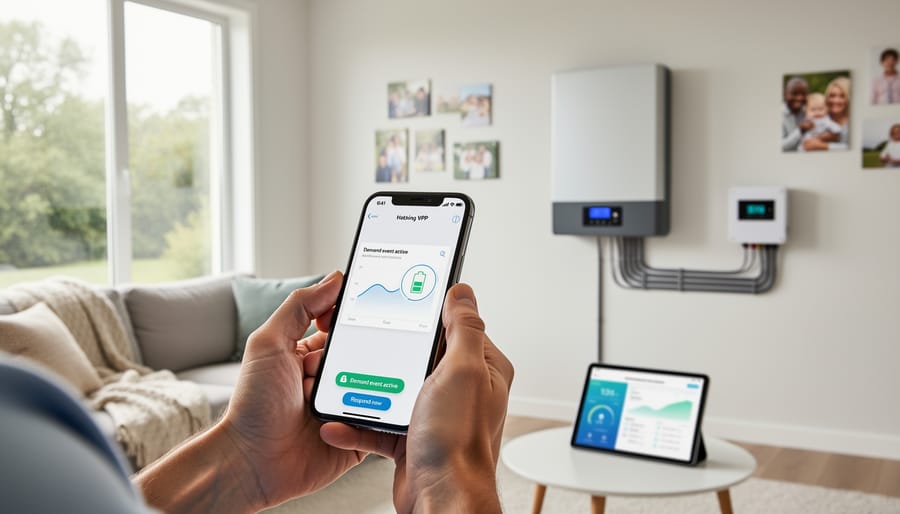
Not every battery can join a VPP program and start earning credits. The Peak Demand Reduction Scheme, which has run since 2022 and will continue through 2050, sets clear technical and program requirements that your battery system must meet.
The most fundamental requirement is internet connectivity. Your battery needs to be able to communicate with a Demand Response Aggregator through an internet connection. This isn’t just about monitoring your system remotely, it’s about enabling real-time coordination. The aggregator must be able to send dispatch signals to your battery, instructing it when to discharge energy back to the grid during peak demand periods. Without this two-way communication capability, your battery can’t participate in the coordinated response that makes virtual power plants effective.
Controllability goes hand in hand with connectivity. The PDRS specifically requires that batteries be controllable by a Demand Response Aggregator to ensure VPP orchestration capability. This means the aggregator needs the technical ability to manage your battery’s charging and discharging cycles when called upon. Most modern battery systems already have this capability built in, but older models or basic inverter setups may not.
From 1 July 2026, batteries up to 50 kWh can qualify for PDRS incentives. That capacity range covers residential batteries comfortably and extends to larger commercial installations. Whether your battery is installed in a house, an apartment building, or a business premises doesn’t matter, all three property types are eligible under the scheme. This broad eligibility reflects the program’s aim to aggregate as much distributed storage capacity as possible across Australia’s electricity network.
These technical requirements exist for good reason. Grid coordination during heatwaves and evening peak periods demands split-second timing across thousands of batteries. If your battery can’t receive dispatch signals reliably or respond quickly, it can’t contribute to the collective effort that stabilizes the grid and reduces the need for expensive peaking power plants. The controllability requirement ensures that when the network needs support, aggregators can deliver it.
Types of VPP Credit Structures
VPP credit programs use several payment models to compensate battery owners, and understanding these structures helps you evaluate which aggregator aligns with your household’s energy patterns and financial goals.
The most straightforward model is per-event compensation. Your aggregator pays you each time they dispatch your battery during a peak demand period. These payments recognize the immediate value you provide when grid stress is highest, typically summer afternoons when air conditioners strain the network. The amount varies based on how much energy your battery contributes and the severity of the demand event. This structure suits households comfortable with variable income tied to actual participation.
Capacity payments offer a different approach. Here, aggregators pay you regularly, often monthly or quarterly, for making your battery available to the network, regardless of how frequently it’s called upon. You’re essentially receiving compensation for reserving capacity that the aggregator can tap when needed. This model provides more predictable income but may offer lower total returns if dispatch events are frequent. It works well for households prioritizing steady, reliable credits over maximizing earnings.
Many aggregators now use hybrid structures that combine both approaches. You might receive a base capacity payment for enrollment plus additional per-event compensation when your battery is actually dispatched. These arrangements attempt to balance income stability with performance incentives.
Payment structures also vary significantly by battery size and commitment level. Larger batteries capable of contributing more capacity typically command higher compensation. Similarly, contracts with longer terms or fewer opt-out provisions often come with better rates, reflecting the aggregator’s need for reliable grid resources they can count on during critical periods.
Market conditions play a major role in credit rates too. Wholesale electricity prices fluctuate, and aggregators adjust their offers accordingly. Programs in regions with frequent peak demand events may offer more competitive rates than those in areas with milder grid stress. Contract terms can also differ substantially between aggregators competing for participants in the same market.
Before committing, request clear documentation of payment calculations, payment frequency, and any minimum participation requirements. Understanding exactly how and when you’ll be compensated helps you make an informed choice about which VPP program delivers real value for your household.
Benefits Beyond the Credits
When your battery participates in a VPP, you’re contributing to something larger than monthly credits. During scorching summer afternoons when air conditioners strain the grid, coordinated battery discharge from thousands of homes prevents blackouts across entire neighborhoods. This collective action matters most when Australia needs it, those 40-degree days when energy demand spikes and the grid faces its greatest pressure.
The infrastructure savings are substantial. When batteries absorb peak demand, energy companies can delay or avoid building new power stations and transmission lines, investments that would otherwise flow through to everyone’s electricity bills. Your battery, orchestrated with others, becomes part of the solution instead of part of the problem. This is precisely what the Peak Demand Reduction Scheme targets, with a 2027/28 goal of reducing peak demand by 8.5%.
VPPs also smooth the path for renewable energy. Solar and wind generation fluctuate throughout the day, and batteries help match that variable supply with household demand. When your battery charges during sunny midday hours and discharges during evening peaks, you’re making space on the grid for more renewable capacity. This coordination is how Australia can integrate higher percentages of clean energy without compromising reliability.
The resilience aspect matters too. Communities with strong VPP participation handle extreme weather events better because distributed battery resources provide flexibility exactly when centralised infrastructure struggles. Similar to how heat pump rebates encourage households to reduce peak heating and cooling loads, VPPs turn individual efficiency decisions into collective grid strength. You’re not just optimising your own energy use, you’re helping build a more robust system for everyone.
What to Consider Before Joining a VPP Program
Before you sign on with a VPP program, understand what you’re agreeing to. Control arrangements matter most: aggregators need remote access to dispatch your battery during peak events, but you should have override options for when you need full capacity at home. Ask how much advance notice you’ll receive before dispatch events, how often your battery will typically be called upon, and whether you can opt out of specific events without penalty.
Contract terms deserve careful scrutiny. Look for clear exit clauses that let you leave the program if it doesn’t suit your household, and check whether there’s a minimum commitment period. Some agreements lock you in for a year or more, while others offer quarterly review points. Read the fine print on what happens if you switch electricity retailers or sell your home, not all VPP credits transfer seamlessly.
Warranty implications often catch battery owners off guard. Extra cycling from VPP dispatch can affect your battery’s lifespan, and some manufacturers adjust warranty terms when you join third-party programs. Confirm whether VPP participation voids or modifies your battery warranty, and get that confirmation in writing from both the aggregator and the battery manufacturer before you commit.
Your daily energy security shouldn’t take a back seat to grid services. Make sure you understand how dispatch events affect your household supply, will you still have enough stored energy for evening peak use after your battery has supported the grid? Quality programs prioritize household needs first and only call on surplus capacity, but transparency varies. Ask for dispatch history data from current participants to gauge realistic expectations.
Think of VPP participation like smart charging for EVs, you’re optimizing an asset you already own. Just as households weigh window rebates or home insulation upgrades, evaluate VPP programs as one piece of your broader energy strategy. The right program should align with your household patterns and give you genuine control when you need it most.
Common Questions About VPP Credits
Joining a VPP program involves trusting an aggregator with some control over your battery, which naturally raises questions. Here are answers to the concerns most households have when considering participation.
Will I still have power during an outage?
VPP participation and backup power are separate functions. If your battery has backup capability and is configured for it, you’ll retain power during outages regardless of VPP enrollment. The aggregator controls grid-support functions, not your emergency backup settings.
Can I opt out of dispatch events?
Most programs allow temporary opt-outs through an app, though frequent opting out may affect credit payments. Some contracts include override buttons for your own energy needs, while others automatically prioritize household consumption above a minimum battery threshold.
Do VPP credits reduce my electricity bill directly?
Credits typically appear as separate payments or bill adjustments, not as reduced usage charges. Your bill reflects the electricity you draw from the grid, while credits compensate you for making your battery available for demand response, creating two distinct financial streams.
What happens if I switch electricity retailers?
Switching retailers may require exiting your current VPP contract, depending on whether the aggregator is tied to your retailer. Some aggregators operate independently across multiple retailers, while others are retailer-specific programs, so check contract terms before switching.
Do I need solar panels to participate?
No. VPP programs focus on battery storage and controllability, not how you charge it. Whether your battery charges from rooftop solar, off-peak grid electricity, or a combination doesn’t affect eligibility under the Peak Demand Reduction Scheme requirements for internet connectivity and aggregator control.
Tax treatment of VPP credits varies based on your circumstances. For most households, credits are likely considered assessable income, similar to other government incentives like e-bike rebates though small amounts may fall below reporting thresholds. Businesses claiming battery depreciation should consult an accountant about how credits interact with those deductions.
Contract flexibility matters more than many realize. Programs differ significantly in exit clauses, minimum participation periods, and penalties for early termination. Some aggregators lock you in for 12 to 24 months, while others offer month-to-month arrangements with notice periods. Read the fine print before signing, particularly around what happens if you sell your home or your battery needs warranty service that takes it offline temporarily.
VPP credits offer battery owners a straightforward path to earning value from an asset you’ve already invested in, while playing a meaningful role in Australia’s energy transition. As the Peak Demand Reduction Scheme continues its trajectory toward 2050 and new Energy Security Safeguard rules reshape the landscape from 7 September 2026, the opportunities for households to participate are expanding and evolving.
Before joining a program, take time to compare aggregator offerings, read contract terms carefully, and understand exactly how and when your battery will be called upon. The right VPP arrangement should align with your household’s energy needs while contributing to grid stability during those critical summer peaks when every kilowatt-hour counts.
Your participation isn’t just about individual financial returns. When thousands of Australian batteries work together during heatwaves, we reduce strain on aging infrastructure, defer costly upgrades, and create space for more renewable energy on the grid. It’s collective action at the household level, turning rooftop solar and home batteries into a distributed network that benefits entire communities.
If you’ve installed a battery to increase your energy independence, VPP credits can add another layer of value to that investment. Explore your options, ask questions, and consider how your storage capacity might serve both your household and the broader energy system we all rely on.