
Australia’s native species are disappearing at an alarming rate, with over 1,700 plants, animals, and ecological communities currently listed as threatened. The Environment Protection and Biodiversity Conservation Act 1999—known as the EPBC Act—stands as our nation’s primary legal shield protecting these irreplaceable treasures, yet many Australians remain unaware of how this powerful legislation works or how they can use it to defend the places and wildlife they love.
This federal law determines whether major developments like mines, housing estates, or infrastructure projects can proceed if they threaten matters of national environmental significance. Every year, thousands of proposals undergo assessment under the Act, from urban expansion encroaching on koala habitat to coastal developments affecting marine parks. Understanding this process empowers communities across Australia to participate meaningfully in decisions that shape our environmental future.
The EPBC Act emerged from decades of scientific research demonstrating that coordinated, legally-enforceable protection was essential to halt biodiversity decline. It recognizes that certain species, ecosystems, and heritage places hold such profound value that their protection transcends state boundaries and requires federal oversight. From the Great Barrier Reef to ancient Gondwanan rainforests, from migratory shorebirds to endemic desert wildflowers, the Act’s scope encompasses the ecological wealth that defines our continent.
Yet the Act’s effectiveness remains hotly debated. While it has prevented some destructive projects and catalyzed environmental research, critics argue it has failed to reverse decline trends, with species extinctions continuing and habitat loss accelerating. Recent reviews have called for comprehensive reform, creating a pivotal moment for Australians to understand, engage with, and potentially reshape this cornerstone legislation.
What Is the EPBC Act and Why Does It Matter?
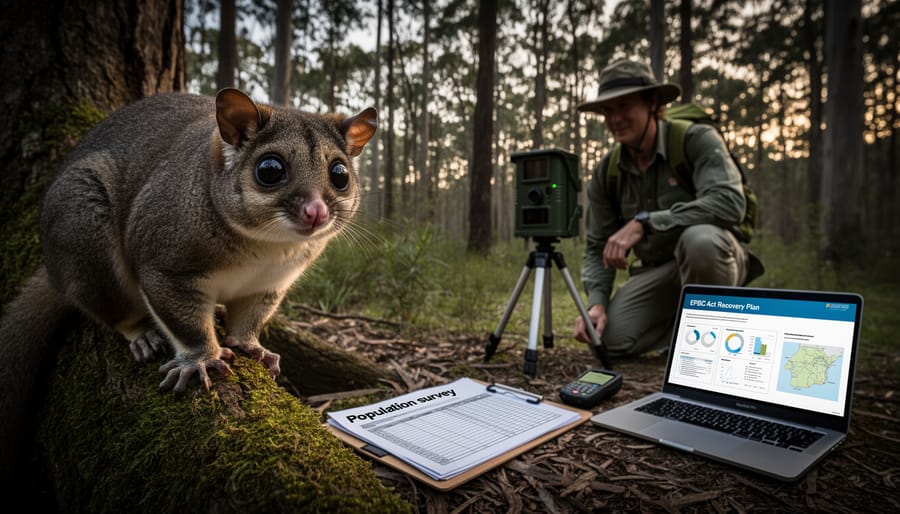
The Nine Matters of National Environmental Significance
At the heart of the EPBC Act lies protection for nine categories of environmental significance that define Australia’s natural heritage. Understanding these matters helps us recognise what we’re collectively safeguarding and why they deserve our attention.
World Heritage properties top the list, including iconic places like the Great Barrier Reef and Kakadu National Park. These sites hold universal value, recognised globally for their outstanding natural or cultural importance. Great Barrier Reef protection exemplifies how these areas face ongoing challenges that require community support and vigilance.
Ramsar wetlands, internationally significant wetland ecosystems, provide crucial habitat for waterbirds and help address water management challenges. The Coorong in South Australia demonstrates how these areas support both wildlife and local communities.
Threatened species and ecological communities receive targeted protection, from the beloved koala to the critically endangered swift parrot. Meanwhile, migratory species protection ensures that birds travelling between continents, like the bar-tailed godwit flying from Alaska to Australia, find safe refuge here.
Nuclear actions and Commonwealth marine areas complete the framework, alongside protection for the environment on Commonwealth land and water resources impacted by coal seam gas and large coal mining developments.
These nine matters interconnect beautifully. When we protect a Ramsar wetland, we simultaneously safeguard threatened species living there and provide stopover points for migratory birds. Each category supports the others, creating a comprehensive safety net for Australia’s environmental treasures.
By understanding these protected matters, you can better recognise when developments in your area might trigger EPBC Act assessments, empowering you to participate meaningfully in protecting what matters most to our shared future.
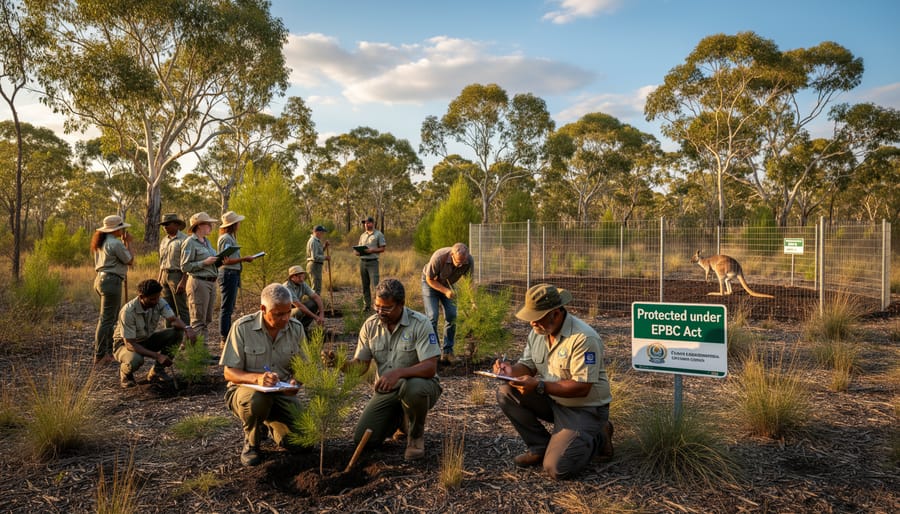
How the Act Works in Practice
Understanding how the EPBC Act functions becomes clearer when we look at real projects happening across Australia. When someone proposes a development that might affect matters of national environmental significance, they must first determine whether their project needs federal approval. This self-assessment process asks crucial questions: Will the project impact threatened species, World Heritage areas, wetlands, or other protected matters?
Let’s consider the Adani Carmichael coal mine in Queensland as a practical example. This controversial project underwent extensive EPBC Act scrutiny because it potentially threatened several protected species, including the black-throated finch and the yakka skink. The proponent submitted a referral to the federal Environment Minister, triggering a detailed assessment process that examined environmental impacts, required comprehensive species management plans, and involved multiple rounds of public consultation.
The assessment phase can take several pathways depending on the project’s complexity. Simple projects might receive quick approval, while complex ones undergo controlled actions requiring environmental impact statements. Throughout this journey, everyday Australians like you can participate by submitting comments during public consultation periods, joining community groups monitoring compliance, or reporting potential breaches.
While the process aims to balance development with conservation, it relies heavily on community vigilance. Local environmental groups in Queensland demonstrated this by closely monitoring compliance conditions and ensuring promised protections were implemented. This collaborative watchfulness between government, proponents, and citizens forms the practical backbone of environmental protection under the Act.
The Science Behind Biodiversity Conservation Under the EPBC Act
Threatened Species Listings: From Research to Protection
Understanding which species need protection begins with rigorous scientific assessment. Under the EPBC Act, scientists and conservation experts evaluate Australia’s wildlife and ecosystems against specific criteria to determine their threatened status. This process transforms research into real-world protection, though it requires community awareness and support to work effectively.
The Act recognizes several vulnerability categories, each reflecting different levels of risk. Species are classified as vulnerable when facing a high risk of extinction in the wild, endangered when that risk becomes very high, and critically endangered when extinction is imminent. There’s also the extinct in the wild category for species surviving only in captivity, and conservation dependent for those relying on ongoing management programs.
Take the eastern curlew, Australia’s largest migratory shorebird. Scientists documented dramatic population declines—over 80 percent in some regions—due to coastal habitat loss and changing tidal flats along its migration route. This evidence led to its endangered listing in 2016, triggering protection measures and spurring community-led monitoring programs along our coasts.
Similarly, Leadbeater’s possum, Victoria’s faunal emblem, earned critically endangered status after researchers demonstrated its mountain ash forest habitat had shrunk dramatically through logging and bushfires. The assessment considered population size, habitat quality, and threats like climate change, painting a clear picture of urgency.
These listings aren’t just bureaucratic labels—they’re calls to action that mobilize funding, trigger habitat protections, and engage communities in recovery efforts. Local groups across Australia now participate in citizen science projects, monitoring listed species and contributing vital data. When we understand how species earn protection, we’re better equipped to support the conservation work happening in our own backyards and advocate for stronger environmental safeguards.
Critical Habitat and Recovery Planning
Under the EPBC Act, critical habitat refers to areas essential for the survival and recovery of threatened species and ecological communities. These aren’t just places where species happen to live—they’re scientifically identified zones that provide vital breeding grounds, food sources, migration pathways, or refuge during environmental stress. The determination process relies on rigorous ecological research, population modelling, and expert assessment to ensure protection efforts focus where they’ll make the greatest difference.
Recovery plans emerge from collaborative efforts between government scientists, universities, Indigenous rangers, and community groups who bring together traditional knowledge and cutting-edge research. These living documents outline measurable goals, identify threats, and establish practical actions for species comeback. They’re updated as new evidence emerges, ensuring Australia’s conservation efforts remain grounded in the best available science while adapting to changing conditions like climate impacts on coastal habitat protection.
The success stories inspire hope and demonstrate what’s possible when communities rally together. The Lord Howe Island Woodhen bounced back from just 20 birds in the 1970s to over 200 today through dedicated recovery efforts. Similarly, the Southern Corroboree Frog program shows how captive breeding combined with habitat restoration can pull species back from the brink. Perhaps most encouraging is the recovery of humpback whales along Australia’s east coast—once numbering fewer than 500, populations now exceed 40,000 thanks to protection measures and international cooperation.
These victories didn’t happen by accident. They resulted from sustained community involvement, adequate funding, and people like you staying engaged with conservation efforts. Whether through volunteering for local habitat restoration projects, participating in citizen science programs, or supporting Indigenous-led land management, every Australian can contribute to recovery success stories. Together, we’re not just protecting species—we’re preserving the ecological heritage that makes our continent extraordinary.
Where Policy Meets Reality: Successes and Challenges
Conservation Wins Under the Act
Despite facing challenges, the EPBC Act has delivered meaningful conservation victories that demonstrate what’s possible when communities, scientists, and governments work together to protect Australia’s natural heritage.
One of the Act’s most celebrated success stories is the recovery of the Southern Corroboree Frog. Once on the brink of extinction with fewer than 50 individuals remaining in the wild, this tiny alpine species has benefited from coordinated captive breeding programs and habitat protection designated under the Act. Through collaboration between Taronga Zoo, state agencies, and local conservation groups, population numbers have steadily increased, offering genuine hope for this distinctive yellow-and-black striped amphibian.
The Act has also prevented significant environmental damage through its assessment processes. In 2019, a proposed coal mine expansion near the Great Barrier Reef was blocked after federal assessments determined unacceptable risks to the reef’s Outstanding Universal Value. This decision, informed by marine science and community advocacy, protected critical habitat for countless species including dugongs, sea turtles, and migratory seabirds.
Community-led initiatives have flourished under the Act’s framework too. Indigenous Protected Areas, which now cover more than 75 million hectares, combine traditional knowledge with contemporary conservation science. These collaborations respect First Nations’ deep connection to Country while delivering measurable biodiversity outcomes, from turtle nesting programs in northern Australia to weed eradication protecting rare plants in desert regions.
The establishment of marine parks protecting 36 percent of Australian waters represents another milestone, safeguarding feeding and breeding grounds for whales, seals, and fish populations that support both ecosystems and fishing communities.
These wins remind us that effective environmental protection is achievable when we combine rigorous science, community passion, and committed action.
The Gaps and Growing Pains
Despite its ambitions, the EPBC Act has faced significant challenges since its inception. Scientists and conservation groups have consistently raised concerns about delays in listing threatened species—some assessments taking years while populations decline. The Greater Glider, for instance, waited nearly a decade for upgraded protection despite clear evidence of population collapse.
Enforcement remains another thorny issue. With limited resources, the Department of Climate Change, Energy, the Environment and Water struggles to monitor compliance across Australia’s vast landscape. Several high-profile cases saw habitat clearing proceed before assessments concluded, highlighting gaps between legislation and on-ground protection.
The Act’s exemptions have also drawn criticism. Activities like agricultural land conservation sometimes conflict with development pressures, creating difficult balancing acts. When native vegetation clearing for agriculture doesn’t trigger federal assessment, local ecosystems can suffer fragmentation.
Perhaps most concerning is the steady trend: Australia’s extinction rate hasn’t slowed under the Act’s watch. We’ve lost more mammals since 2000 than many countries have lost in centuries.
These aren’t insurmountable problems, though. Communities across Australia are demonstrating that local action combined with policy pressure creates change. The current independent review process offers hope for meaningful reform, particularly if everyday Australians stay engaged and vocal about protecting the natural heritage that defines our continent. Recognition of shortcomings is the first step toward building something better.
The 2020 Samuel Review and What’s Next
In 2020, Professor Graeme Samuel led an independent review that delivered a sobering message: our landmark environmental law wasn’t working as intended. After three decades, the EPBC Act had become slow, complex, and wasn’t delivering the conservation outcomes our unique wildlife desperately needs. The review found that Australia’s environment is in unsustainable decline, with more mammal extinctions than any other developed nation.
But here’s where it gets hopeful. Professor Samuel presented a roadmap with over 30 recommendations to transform how we protect our natural heritage. The key proposals include establishing national environmental standards that are legally enforceable, creating an independent regulator to oversee decisions, and empowering regional communities through place-based planning. This means decisions about local ecosystems could involve people who actually know and care for those landscapes.
The review emphasised something our communities have long understood: effective environmental protection isn’t about blocking development, it’s about smarter decision-making that values nature alongside economic growth. For Australian businesses and individuals committed to sustainability, these reforms signal a future where environmental stewardship is embedded in how we operate, not treated as an afterthought. While implementation is still progressing, the review offers genuine hope that we can reverse environmental decline together.
How Everyday Australians Shape EPBC Act Outcomes
Public Consultation: Your Voice in Environmental Decisions
Your voice matters in environmental decisions, and the EPBC Act creates genuine opportunities for everyday Australians to influence projects that affect our natural heritage. When a proposed development requires federal assessment—whether it’s a new mine, urban expansion, or infrastructure project—there’s typically a public comment period where you can submit your concerns, observations, and local knowledge.
Public consultation usually occurs during the referral stage or when environmental assessments are published. The Department of Climate Change, Energy, the Environment and Water advertises these opportunities on their website, giving communities generally 10 to 20 business days to respond. While this might feel tight, your submission doesn’t need to be lengthy or technical to carry weight.
Effective submissions focus on specific impacts rather than general opposition. Share your direct observations of local wildlife, document how you use affected areas, or highlight environmental features that desktop assessments might miss. If you’ve spotted threatened species in the area, photographed habitat conditions, or noticed seasonal patterns, this ground-truth information is incredibly valuable. Connect your observations to the matters of national environmental significance the Act protects.
Community groups often coordinate submissions, amplifying individual voices through shared concerns and collective evidence. Consider joining local environmental networks or Facebook groups focused on Australian conservation—there’s real strength in numbers, and experienced advocates can guide first-time participants through the process.
Don’t underestimate your contribution. Decision-makers are required to consider public submissions, and community input has influenced countless assessments. Your participation helps ensure our environmental laws serve the communities and ecosystems they’re designed to protect.
Community Conservation Initiatives Making a Difference
Across Australia, passionate communities are stepping up to protect our unique biodiversity, working hand-in-hand with EPBC Act frameworks to create lasting environmental impact. These grassroots efforts prove that conservation isn’t just about government legislation—it’s about people caring for Country and connecting with nature on their doorstep.
In South Australia’s Coorong region, the Ngarrindjeri people are leading remarkable wetland restoration projects that protect migratory bird species listed under the EPBC Act. Their traditional ecological knowledge, combined with contemporary conservation science, has revitalised critical habitats while creating employment and cultural connection for younger generations. This Indigenous-led approach demonstrates how ancient wisdom can enhance modern environmental protection.
Meanwhile, citizen science initiatives like BirdLife Australia’s Birdata app are collecting vital species distribution data that directly informs EPBC Act assessments. Over 15,000 volunteers regularly contribute observations, helping scientists track threatened species populations and identify areas needing protection. You can download the app today and become part of this national monitoring network—every sighting matters.
In urban Melbourne, community groups have transformed degraded creek systems into thriving wildlife corridors. The Friends of Merri Creek have planted over 400,000 native plants since 1989, creating habitat for EPBC-listed species like the Growling Grass Frog. Their success shows how local action can deliver significant conservation outcomes.
Businesses are also joining the movement, integrating sustainable business practices that go beyond compliance to actively support biodiversity. From installing green roofs that provide urban habitat to partnering with conservation groups for land rehabilitation, Australian enterprises are discovering that environmental stewardship strengthens communities and creates long-term value.
Ready to get involved? Start by joining a local Landcare group, participating in citizen science programs, or advocating for stronger environmental protections in your area.
Taking Action: What You Can Do Today
You don’t need to wait for sweeping policy changes to make a meaningful difference for Australia’s threatened species and ecosystems. Here’s how you can start supporting biodiversity conservation under the EPBC Act framework today.
Start by becoming a citizen scientist. Join local biodiversity monitoring programs through organisations like the Atlas of Living Australia, where your observations of native plants and animals contribute to the data that informs EPBC Act decisions. Download apps like iNaturalist or Birdata to record species in your area. This information helps scientists track population trends and identify emerging threats to listed species.
Stay informed about development proposals affecting matters of national environmental significance in your region. Visit the Department of Climate Change, Energy, the Environment and Water website to search current referrals and public consultations. When submissions are open, share your concerns based on local knowledge. Your voice genuinely matters in these processes.
Support your local Landcare, Bushcare, or Friends of groups working to restore habitat for threatened species. These community-led initiatives create corridors that connect fragmented ecosystems, directly addressing one of the biggest challenges facing EPBC-listed species. Even a few hours monthly pulling weeds or planting natives creates tangible impact.
If you’re a business owner, consider pursuing environmental certification that exceeds EPBC requirements. This demonstrates leadership while protecting biodiversity on your land or through your operations.
Connect with organisations like the Australian Conservation Foundation or your state’s conservation council to join campaigns strengthening environmental protections. They provide ready-made tools for contacting decision-makers and staying updated on legislative developments.
Finally, share what you learn with your community. Conversations around the barbecue about local threatened species or waterways spark collective action that builds momentum for stronger environmental protections across Australia.
Remember the koala sheltering in that urban corridor we met at the start? That single animal represents countless species navigating a landscape where development and nature must coexist. The EPBC Act stands as our collective commitment to making that coexistence possible, but its success depends on more than parliamentary decisions and environmental assessments. It relies on you.
Understanding the EPBC Act transforms you from a concerned bystander into an informed participant. Whether you’re reviewing development proposals in your suburb, supporting local conservation groups, or incorporating environmental considerations into your business practices, you’re strengthening the protective web this legislation creates. Australia’s biodiversity faces genuine pressures, from habitat fragmentation to climate impacts, and the Act provides the framework through which we respond together.
The path forward isn’t about perfection but persistence. Stay curious about environmental decisions affecting your region. Join community consultations when protected species or ecological communities are at stake. Share what you’ve learned with neighbours, colleagues, and fellow business owners. Small actions accumulate into significant protection.
Our native species don’t recognise political boundaries or bureaucratic processes. They simply need space, resources, and safety to thrive. By engaging with the EPBC Act, understanding its mechanisms, and participating in its processes, you become part of Australia’s living conservation story. The koala in that corridor, the migratory birds overhead, the ancient forests around us all benefit when communities step forward. Your voice matters. Your actions count. Let’s protect what makes Australia extraordinary, together.